Rochester, New York, 09/24/25 - Aging represents a complex biological journey influenced by cellular changes and environmental factors. Emerging research suggests ways to mitigate its effects through targeted interventions. Antioxidants may combat oxidative stress, while lifestyle adjustments and scientific breakthroughs hold potential to extend healthspan. By understanding longevity, antioxidant benefits, and healthy aging practices, individuals can gain valuable insights into fostering vitality amid the inevitable passage of time.
The Science of Aging: What Happens as the Body Gets Older
Aging involves a gradual decline in physiological functions, driven by molecular and cellular alterations that accumulate over time. Biological processes such as DNA damage, protein misfolding, and reduced cellular repair mechanisms contribute to this progression, leading to increased vulnerability to diseases. Understanding these fundamentals could empower individuals to adopt strategies that support longevity and healthy aging.
Key hallmarks include inflammation, genomic instability, and loss of proteostasis, which together exacerbate age-related conditions like cardiovascular disorders and cognitive decline. Research highlights how these changes might be influenced by both genetic predispositions and environmental factors, offering avenues for intervention. By addressing these underlying mechanisms, one might enhance resilience against the effects of time.
General knowledge from scientific literature emphasizes that aging is not merely chronological but biological, with biomarkers like telomere length serving as indicators of cellular health. This perspective shifts focus toward modifiable elements that could promote vitality in later years.
Understanding the Biology of Aging
The biology of aging encompasses intricate interactions at the cellular level, where processes like epigenetic modifications and nutrient sensing pathways play pivotal roles. These elements regulate gene expression and metabolic efficiency, influencing overall lifespan. Insights from studies suggest that targeting these pathways could yield benefits for healthy aging.
Cellular communication disruptions and stem cell exhaustion further compound aging effects, reducing tissue regeneration capabilities. By fostering environments that support these biological functions, individuals might mitigate some degenerative aspects.
Cellular Senescence: The Accumulation of Zombie Cells
Cellular senescence occurs when cells cease division yet remain metabolically active, secreting inflammatory factors that harm surrounding tissues. This phenomenon, often triggered by stress or damage, contributes to chronic inflammation associated with aging. Strategies to clear these cells could potentially alleviate related health issues.
Accumulation of senescent cells has been linked to conditions such as osteoarthritis and neurodegeneration, underscoring their role in age-related decline. Research into senolytics aims to selectively remove them, possibly enhancing tissue function and longevity.
General facts indicate that lifestyle factors might influence senescence rates, providing practical approaches to manage this process.
Telomere Shortening and the Limits of Cell Division
Telomeres, protective chromosome ends, shorten with each cell division, eventually leading to replicative senescence. This natural limit safeguards against uncontrolled growth but accelerates aging when excessive. Interventions like telomerase activation are explored to extend telomere length, potentially supporting healthy aging.
Shortened telomeres correlate with increased disease risk, including cardiovascular ailments. Maintaining telomere integrity through diet and exercise could offer protective effects.
Mitochondrial Dysfunction and Its Role in Age-Related Decline
Mitochondria, essential for energy production, become less efficient with age, generating more reactive oxygen species that damage cellular components. This dysfunction impairs metabolic processes and contributes to fatigue and organ failure. Boosting mitochondrial health might counteract these effects, promoting longevity.
Studies show that caloric restriction could enhance mitochondrial biogenesis, improving energy utilization. Such approaches align with broader antioxidant benefits in mitigating oxidative damage.
Oxidative Stress and Free Radical Damage
Oxidative stress arises from an imbalance between free radicals and antioxidants, leading to cellular damage that hastens aging. This process affects DNA, proteins, and lipids, fostering disease development. Antioxidant-rich diets could neutralize these radicals, supporting healthy aging.
Chronic exposure to stressors exacerbates oxidative damage, highlighting the need for protective measures. Incorporating habits that enhance antioxidant defenses might reduce this burden.
The Power of Antioxidants: Natural Defense Against Aging
Antioxidants serve as crucial allies in combating oxidative stress, a key driver of aging. By neutralizing free radicals, they protect cellular structures and maintain function. The antioxidant benefits extend to skin health, immune support, and overall vitality, making them integral to longevity strategies.
Plant-based sources provide a symphony of these compounds, working synergistically for optimal effects. Traditional herbs, validated by research, offer potent options for those seeking natural enhancements to healthy aging.
Integrating antioxidants into daily routines could foster resilience against age-related changes, as evidenced by dietary patterns linked to extended lifespans.
What Are Antioxidants and How Do They Work?
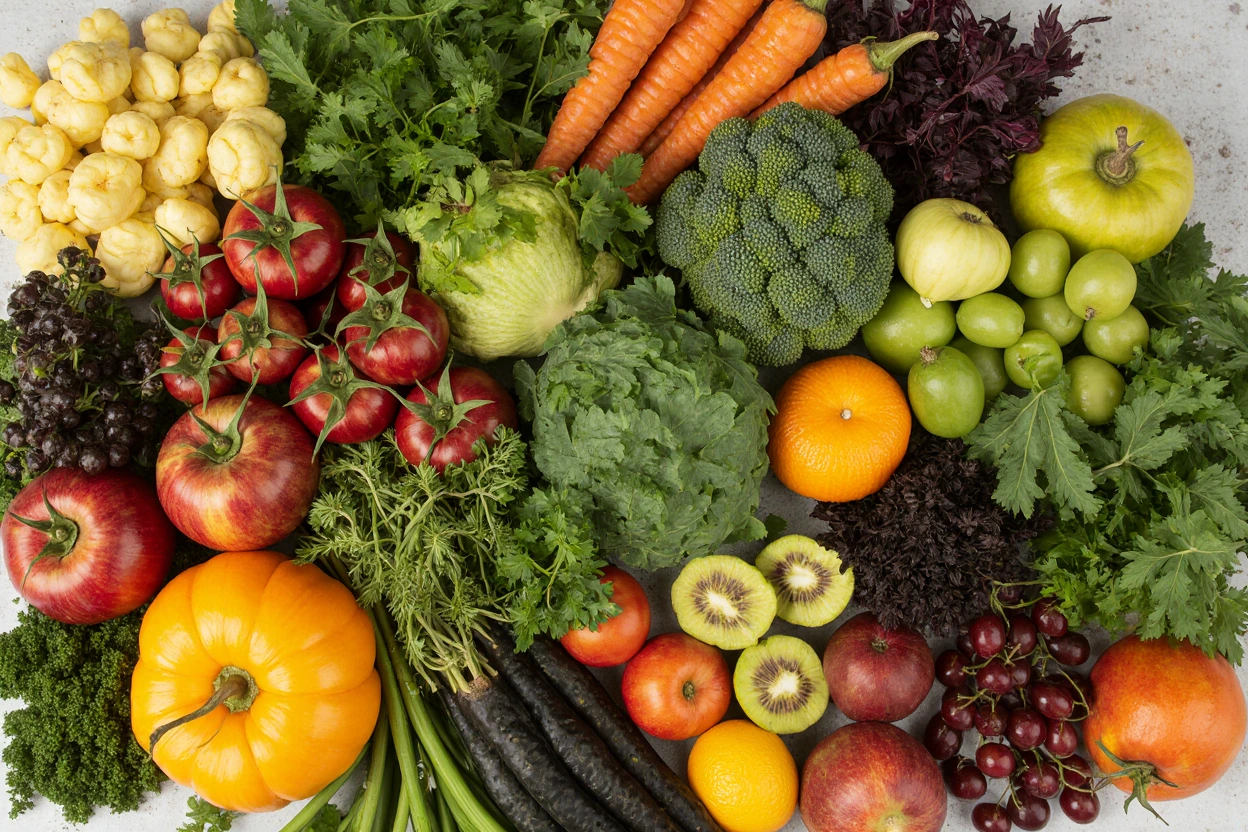
Antioxidants are compounds that inhibit oxidation, donating electrons to stabilize free radicals without destabilizing themselves. This mechanism prevents chain reactions that damage cells. Their role in longevity is underscored by studies showing reduced disease risk with higher intake.
Endogenous and exogenous antioxidants collaborate to maintain balance, with diet playing a pivotal role in supplementation.
Antioxidant Benefits for Skin, Immunity, and Cellular Health
For skin, antioxidants could diminish wrinkles and improve elasticity by countering UV-induced damage. In immunity, they bolster defenses against pathogens, reducing infection susceptibility. At the cellular level, they safeguard DNA integrity, promoting healthy aging.
These benefits align with broader health improvements, as seen in populations with antioxidant-dense diets.
Dietary Sources of Antioxidants for Healthy Aging
Berries, nuts, and leafy greens abound in vitamins C and E, flavonoids, and polyphenols. These sources support longevity by enhancing cellular repair. Regular consumption could integrate seamlessly into meals for sustained benefits.
Whole foods surpass isolates due to synergistic interactions among nutrients.
Why Whole Foods Outperform Supplements in Antioxidant Delivery
Whole foods deliver antioxidants in a bioavailable matrix, enhancing absorption and efficacy. Supplements might lack this complexity, sometimes leading to imbalances. Research favors dietary approaches for consistent antioxidant benefits.
This preference underscores the value of balanced nutrition in healthy aging.
Ayurvedic Antioxidants: Herbs Like Turmeric, Triphala, and Ashwagandha
Ayurvedic traditions highlight turmeric's curcumin for its anti-inflammatory properties, potentially aiding longevity. Triphala, a blend of fruits, offers digestive and detoxifying effects. Ashwagandha reduces stress, supporting cellular health.
These herbs, backed by modern studies, could complement contemporary strategies. A review of traditional herbs like Ginseng and Ginkgo biloba in anti-aging phytotherapeutics emphasizes their role in modulating aging pathways, including telomere maintenance and SIRT1/AMPK activation.
Antioxidants and Longevity: What the Research Says
Evidence links antioxidant intake to reduced oxidative stress markers and extended healthspan. Plant matrices rich in polyphenols and vitamins could lower ROS levels, as noted in studies on age-related disorders.
Clinical findings support their potential in preventing cardiometabolic and neurodegenerative conditions.
Scientific Breakthroughs in Anti-Aging and Longevity Research
Advancements in biotechnology target aging's root causes, from genetic edits to metabolic modulators. These innovations could redefine healthy aging by addressing cellular decline directly. Integrating such breakthroughs with lifestyle factors amplifies their potential.
Research on NAD+ boosters and senolytics shows promise in rejuvenating tissues. As science progresses, these could become accessible tools for longevity.
Broadly known facts indicate a shift toward personalized interventions based on individual biology.
Caloric Restriction and Fasting for Lifespan Extension
Caloric restriction activates longevity genes like sirtuins, potentially extending lifespan in models. Intermittent fasting mimics these effects, promoting autophagy. Such practices could enhance metabolic health.
Human studies suggest benefits in insulin sensitivity and inflammation reduction.
Senolytics: Targeting Senescent Cells for Healthier Aging
Senolytics selectively eliminate senescent cells, reducing inflammation. Compounds like quercetin show efficacy in trials. This approach could improve physical function in aging populations.
Ongoing research explores their integration with antioxidants for synergistic effects.
Stem Cell Therapy and Regenerative Medicine for Aging Organs
Stem cells replenish depleted tissues, aiding organ repair. Therapies using iPSCs target degenerative conditions. They could restore vitality in aging systems.
Applications in cardiology and neurology highlight regenerative potential.
Telomere Extension and Gene Editing Technologies
Gene editing tools like CRISPR could extend telomeres safely, countering shortening. This might delay senescence. Ethical considerations guide their development.
Controlled activation balances benefits against risks like cancer.
NAD+ Boosters and Sirtuins: Fueling Youthful Cell Function
NAD+ supplements restore levels, activating sirtuins for DNA repair. They could improve cognitive and muscular health. Precursors like NMN are under investigation.
These align with antioxidant strategies in combating decline.
The Microbiome-Aging Connection: Gut Health for Longevity
The gut microbiome influences immunity and inflammation, shifting with age. Probiotics could restore balance, reducing disease risk. A study on probiotics' effects on aging indicates they enhance gut diversity, potentially improving quality of life in elderly individuals by addressing dysbiosis.
Dietary fibers support beneficial bacteria, fostering longevity.
Lifestyle Changes That Promote Healthy Aging and Longevity
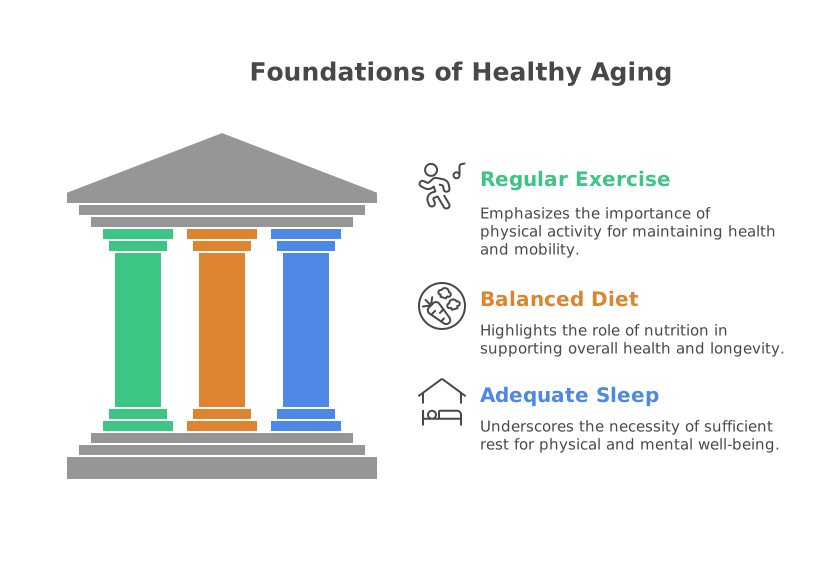
Daily habits profoundly impact aging trajectories, with exercise and nutrition at the forefront. These changes could amplify intrinsic repair mechanisms. Incorporating them fosters sustainable healthy aging.
Social and stress management aspects complement physical efforts. Broad knowledge affirms their cumulative benefits.
Products like Neurocomplex-b from Synevit could support cognitive function, while Osteofect aids skeletal integrity.
Exercise and Movement: The Ultimate Anti-Aging Prescription
Regular physical activity preserves muscle mass and cardiovascular health, countering sarcopenia. It could stimulate antioxidant production internally. Varied routines optimize benefits.
Aerobic and strength training both contribute to telomere preservation.
Quality Sleep: How Rest Supports Repair and Rejuvenation
Sleep facilitates cellular repair and hormone regulation, essential for longevity. Disruptions accelerate aging markers. Prioritizing rest could enhance resilience.
Consistent schedules improve sleep architecture.
Anti-Aging Nutrition: What to Eat to Live Longer and Healthier
Nutrient-dense foods rich in antioxidants support cellular health. Mediterranean-style diets correlate with extended lifespans. Focus on variety ensures comprehensive benefits.
Supplements like vitamin B could aid energy metabolism.
Hydration and Its Impact on Cellular Longevity
Adequate hydration maintains cellular function and detoxification. Dehydration exacerbates oxidative stress. Regular intake supports overall vitality.
It complements dietary antioxidants effectively.
Stress Management Techniques to Slow Biological Aging
Chronic stress shortens telomeres; mindfulness could mitigate this. Techniques like yoga reduce cortisol. They promote emotional balance for healthy aging.
Integration with nutrition enhances outcomes.
Social Health and Longevity: The Role of Connection in Lifespan
Strong relationships buffer against isolation's health impacts. They could lower inflammation markers. Community engagement fosters longevity.
Studies affirm social ties' protective effects.
Natural Strategies vs. Medical Interventions: What Works Best?
Natural approaches emphasize diet and herbs, while medical ones involve therapies like gene editing. Combining them could optimize results. Each has strengths in promoting healthy aging.
Risks of interventions necessitate careful consideration. Personalized plans tailor to individual needs.
Visit Synevit® for natural supplement options.
Combining Modern Science with Ancient Wisdom
Blending Ayurvedic herbs with biotech could enhance efficacy. This synergy addresses multifaceted aging aspects. It leverages historical insights with contemporary evidence.
Such integration promotes comprehensive longevity.
Risks and Limitations of Anti-Aging Supplements and Therapies
Over-reliance on supplements might overlook holistic needs. Therapies carry potential side effects. Balanced evaluation ensures safety.
Consultation with experts mitigates risks.
Personalized Anti-Aging Plans Based on Genetics and Lifestyle
Genetic testing informs tailored strategies. Lifestyle assessments refine approaches. This customization could maximize benefits.
It aligns interventions with unique profiles.
The Future of Aging: How Close Are We to Reversing the Clock?
Emerging technologies like AI and epigenetics could transform aging paradigms. They promise extended healthspans. Ethical discussions shape their implementation.
Horizons include microbiome modulation and hormesis. A study on hormesis via repeated mild heat stress suggests it stimulates repair mechanisms, potentially delaying conditions like Alzheimer's and osteoporosis.
Plant bioactives, as in plant matrices for oxidative stress reduction, could prevent age-related diseases by lowering ROS and inflammation.
Biotech Innovations on the Horizon
Advances in tissue engineering could regenerate organs. They address degenerative losses. Potential applications span multiple systems.
Ongoing trials test feasibility.
Artificial Intelligence in Longevity Medicine
AI analyzes data for predictive insights. It could optimize interventions. This accelerates personalized medicine.
Integration enhances precision.
Ethical and Societal Implications of Radical Life Extension
Extended lifespans raise resource and equity concerns. Debates focus on accessibility. Balanced policies would guide progress.
Societal adaptation is essential.
Key Takeaways
- Antioxidants from whole foods and herbs could neutralize oxidative stress, supporting longevity and healthy aging.
- Lifestyle factors like exercise, sleep, and stress management play crucial roles in mitigating age-related decline.
- Scientific breakthroughs, including senolytics and NAD+ boosters, offer promising avenues for extending healthspan.
- Combining natural strategies with medical interventions might provide the most effective approach to anti-aging.
- The future of aging research emphasizes personalized, ethical advancements to enhance quality of life.
Frequently Asked Questions
- What role do antioxidants play in longevity?
Antioxidants could protect cells from free radical damage, potentially slowing aging processes. They support skin health, immunity, and cellular function when sourced from diet. Research suggests consistent intake might contribute to extended healthspan.
- How might lifestyle changes promote healthy aging?
Lifestyle adjustments like regular exercise and balanced nutrition could enhance metabolic efficiency and reduce inflammation. Quality sleep and stress management further aid repair mechanisms. These habits collectively foster resilience against age-related conditions.
- What are some scientific breakthroughs in anti-aging?
Breakthroughs include senolytics for clearing senescent cells and gene editing for telomere extension. NAD+ boosters activate longevity pathways. These innovations could improve organ function and delay disease onset.
- Should one prefer natural strategies or medical interventions for longevity?
A combination might work best, tailoring to individual needs. Natural approaches offer low-risk benefits, while interventions provide targeted solutions. Personalized plans based on genetics ensure optimal outcomes.
- What does the future hold for aging research?
Future developments could involve AI-driven precision medicine and biotech like epigenetic reprogramming. Ethical considerations would shape access. Focus remains on extending healthspan rather than just lifespan.
References
4. Hormesis in Anti-Aging Research PubMed