Rochester, New York, 5/20/25 - Urinary Tract Infections (UTIs) are among the most prevalent infections worldwide, affecting millions of people annually, especially women. Ranging from mild, treatable conditions to chronic, debilitating illnesses, UTIs demand a clear understanding of their causes, symptoms, and management strategies. This guide provides essential insights into UTI prevention, urinary tract health, and natural remedies for UTIs, empowering readers to take proactive steps toward better bladder health.
What is a Urinary Tract Infection?
A Urinary Tract Infection (UTI) occurs when bacteria, most commonly Escherichia coli (E. coli), invade any part of the urinary system-comprising the kidneys, bladder, ureters, and urethra. UTIs predominantly affect women due to their shorter urethra, which allows bacteria easier access to the bladder. These infections are classified into two types:
- Lower UTIs: Affect the bladder (cystitis) or urethra (urethritis). These are more common and generally less severe.
- Upper UTIs: Involve the kidneys (pyelonephritis) and can lead to serious complications if untreated.
Understanding the nature of UTIs is the first step toward effective prevention and treatment, ensuring optimal urinary tract health.
Common Causes of UTIs
UTIs typically arise when bacteria enter the urinary tract. Several factors contribute to this:
- Poor Hygiene: Inadequate cleaning can introduce bacteria to the urethra.
- Sexual Activity: Intercourse can transfer bacteria into the urinary tract, increasing infection risk.
- Anatomical Factors: Women’s shorter urethras make them more susceptible.
- Medical Conditions: Diabetes or a weakened immune system can heighten vulnerability.
- Hormonal Changes: Menopause or pregnancy may alter the urinary environment, fostering bacterial growth.
Recognizing these causes helps individuals adopt strategies to stop a UTI before it begins.
Symptoms of a Urinary Tract Infection
Early recognition of UTI symptoms is vital for timely intervention. Common signs include:
- A persistent urge to urinate
- A burning sensation during urination
- Cloudy, strong-smelling, or blood-tinged urine
- Pelvic pain, especially in women
More severe symptoms, such as fever, chills, or back pain, may indicate a kidney infection requiring urgent medical attention. Prompt action can prevent complications and support bladder health.

Preventing Recurrent UTIs
Preventing recurrent UTIs involves practical lifestyle adjustments and proactive measures:
- Hydration: Drinking ample water flushes bacteria from the urinary tract.
- Hygiene Practices: Wiping front to back and urinating after sex reduce bacterial entry.
- Avoid Irritants: Steering clear of douches or harsh soaps protects the urinary environment.
- Medical Options: Low-dose antibiotics or estrogen therapy (for postmenopausal women) may be recommended by healthcare providers.
These steps are key to UTI prevention and improving bladder health over time.
Natural Remedies and Supplements
For those seeking alternatives, natural remedies for UTIs can complement conventional treatments:
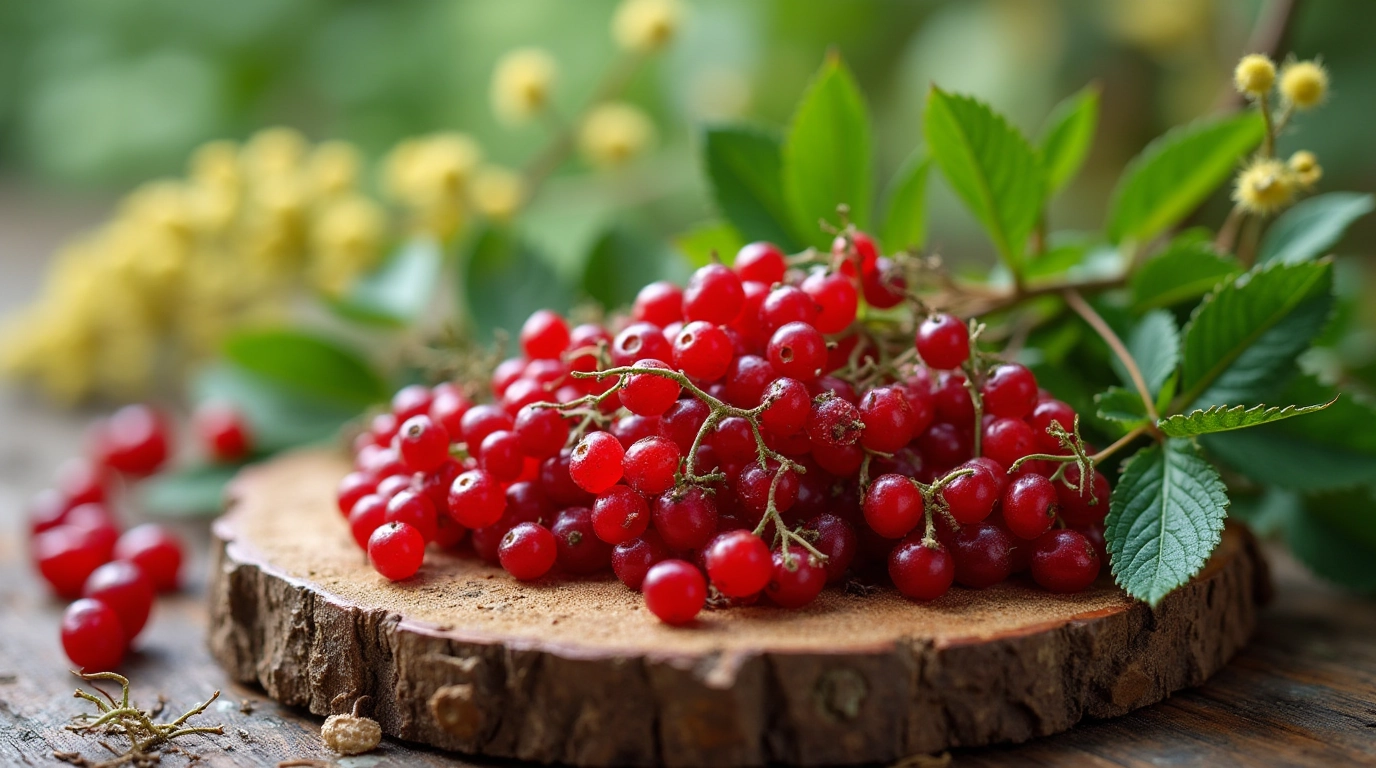
- D-Mannose: A type of natural sugar together with cranberry extract helps prevent E. coli from adhering to urinary tract walls, offering a science-backed preventive approach.
- Probiotics: These promote a healthy bacterial balance, reducing infection risk.
- Herbal Options: Uva ursi and goldenseal provide antimicrobial benefits.
- Some formulations, like Volurine by Synevit®, combine D-Mannose, cranberry extract, and vitamin C to support urinary tract health.
While effective, these remedies should be paired with medical guidance for best results.
Key Takeaways
- UTIs are widespread, primarily bacterial infections affecting the urinary system, with women at higher risk.
- Causes range from hygiene lapses to hormonal shifts, necessitating tailored prevention.
- Symptoms like burning and frequent urination signal the need for prompt care.
- Prevention hinges on hydration, hygiene, and sometimes supplements or medications.
- Natural remedies for UTIs, such as D-mannose, support urinary tract health but aren’t standalone cures.
Frequently Asked Questions
- What’s the difference between lower and upper UTIs?
Lower UTIs affect the bladder and urethra, causing discomfort and frequent urination. Upper UTIs involve the kidneys, potentially leading to fever and back pain, indicating a more serious condition.
- Can men get UTIs?
Yes, though less common, men can develop UTIs, often linked to prostate issues or kidney stones.
- How can diet help prevent UTIs?
Increasing water intake and consuming vitamin C-rich foods can flush bacteria and bolster bladder health.