Rochester, New York, 6/06/25 - Iodine is a trace element indispensable for the synthesis of thyroid hormones, which regulate metabolism and are critical for brain, nerve, and bone development. Inadequate iodine intake impairs thyroid hormone production, leading to a spectrum of disorders known as iodine deficiency disorders (IDDs). This blog post delves into the causes, symptoms, and prevention of iodine deficiency, with a particular focus on its role in causing goiter.
What is Iodine Deficiency?
Iodine deficiency occurs when the body does not receive sufficient iodine, a crucial mineral needed for the production of thyroid hormones. These hormones, thyroxine (T4) and triiodothyronine (T3), are essential for regulating metabolism and supporting the development of the brain, nerves, and bones. Since the body cannot produce iodine on its own, it must be obtained through dietary sources. When iodine intake is inadequate, the thyroid gland struggles to produce enough hormones, leading to various health issues collectively known as iodine deficiency disorders (IDDs).
Globally, iodine deficiency remains a significant public health concern, affecting approximately 29% of the world's population. Regions with iodine-poor soil, such as mountainous areas and certain inland regions, are particularly susceptible. In these areas, locally grown foods often lack sufficient iodine, putting populations at higher risk of deficiency.
Symptoms of Iodine Deficiency
The symptoms of iodine deficiency could vary depending on the severity and the age at which the deficiency occurs. Common symptoms include:
- Goiter: An enlarged thyroid gland, visible as a swelling in the neck.
- Fatigue and weakness: Due to slowed metabolism.
- Weight gain: Unexplained weight increase despite normal diet.
- Cold intolerance: Feeling unusually cold.
- Dry skin and hair loss: Signs of hypothyroidism.
- Cognitive issues: Difficulty concentrating and memory problems.
In infants and children, iodine deficiency could lead to more severe consequences, such as developmental delays, intellectual disabilities, and stunted growth. Pregnant women with iodine deficiency might experience complications like miscarriage, stillbirth, or giving birth to infants with cognitive impairments.
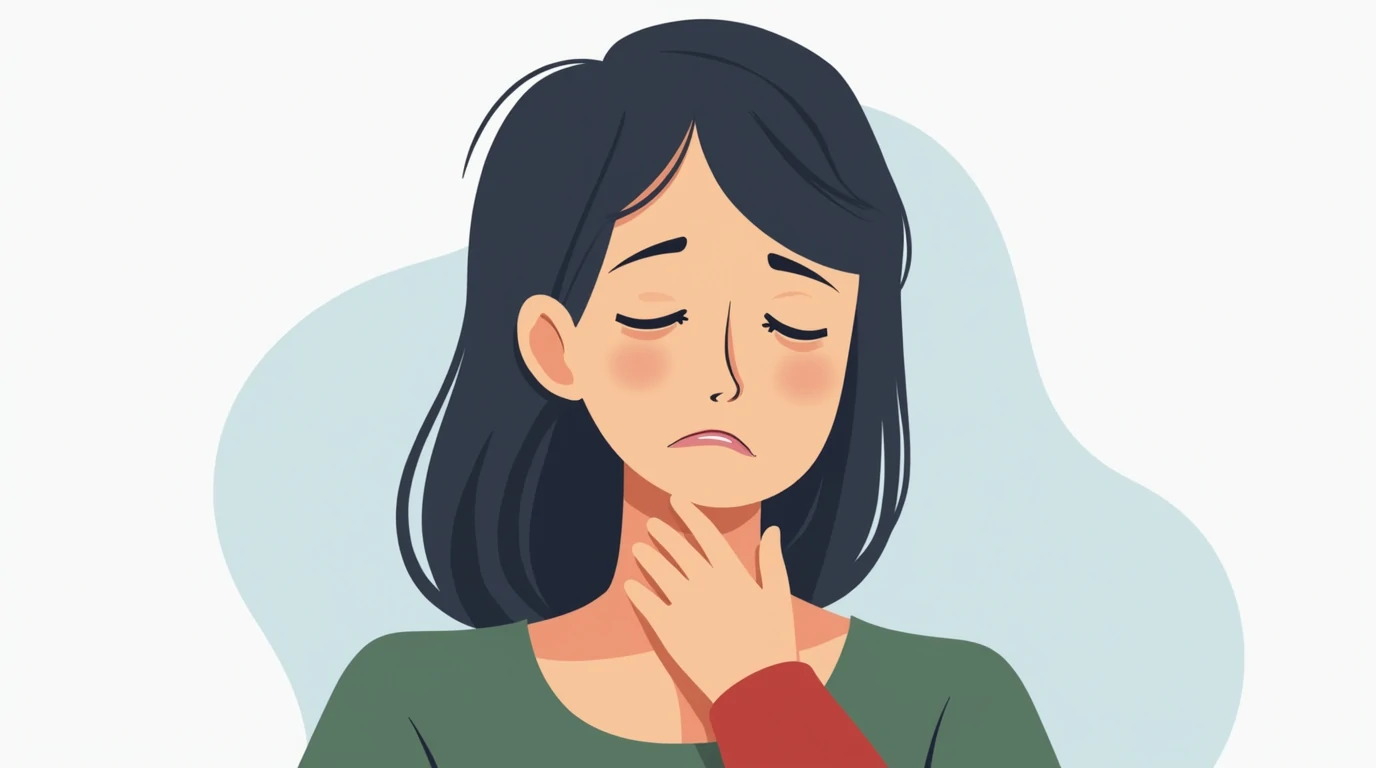
Why Does Iodine Deficiency Cause Goiter?
Goiter, the enlargement of the thyroid gland, is one of the most recognizable signs of iodine deficiency. When dietary iodine is insufficient, the thyroid gland compensates by increasing its size to capture more iodide from the bloodstream. This enlargement is an adaptive response aimed at maximizing the gland's ability to produce thyroid hormones despite low iodine levels. However, while goiter might help maintain hormone production in the short term, chronic iodine deficiency could lead to hypothyroidism, where the thyroid cannot produce enough hormones even with enlargement.
The process begins when low iodine levels lead to decreased production of thyroid hormones. In response, the pituitary gland releases more thyroid-stimulating hormone (TSH) to stimulate the thyroid to produce more hormones. Elevated TSH levels cause the thyroid cells to grow and multiply, resulting in an enlarged gland. Over time, if iodine deficiency persists, the thyroid might develop nodules or become multinodular, further complicating thyroid function.
A study published in the Journal of Clinical Endocrinology & Metabolism highlights the mechanism behind goiter formation, emphasizing the thyroid's remarkable ability to adapt to iodine scarcity but also the risks associated with prolonged deficiency (Study on goiter formation).
Who is at Risk?
Certain populations are more vulnerable to iodine deficiency due to physiological needs or environmental factors:
- Pregnant and lactating women: Increased iodine requirements during pregnancy and breastfeeding make these groups particularly susceptible. Even mild deficiency might affect fetal brain development.
- Infants and young children: Depend on adequate iodine from breast milk or formula for proper growth and cognitive development.
- People in iodine-deficient regions: Those living in areas with low soil iodine, such as mountainous or inland regions, are at higher risk.
- Individuals with limited access to iodine-rich foods: Socioeconomic factors might restrict access to seafood, dairy, and other iodine sources.
Additionally, changes in dietary habits, such as reduced use of iodized salt or increased consumption of non-iodized specialty salts, could inadvertently lower iodine intake. In the United States, for example, median urinary iodine concentrations have declined over the past few decades due to such shifts.
Treatment and Prevention
Addressing iodine deficiency involves both treatment for those already affected and preventive measures to ensure adequate intake across populations.
Treatment Options
For individuals diagnosed with iodine deficiency, treatment typically involves increasing iodine intake through diet or supplements. In cases where deficiency has led to hypothyroidism, thyroid hormone replacement therapy, such as levothyroxine, might be necessary.
Supplements like Synfoline could be particularly beneficial for pregnant women, as they provide targeted support for both folate and iodine, essential for fetal development. Synevit®'s, Synfoline is a healthy pregnancy precaution, helping to meet the increased nutritional demands during this critical period.
Prevention Strategies
Preventing iodine deficiency on a population level involves several key strategies:
- Iodized salt: Fortifying table salt with iodine is one of the most effective and cost-efficient ways to prevent deficiency. In many countries, including Australia, iodized salt is widely available and used in food production.
- Dietary diversification: Encouraging the consumption of iodine-rich foods such as seafood, dairy products, eggs, and bread made with iodized salt.
- Supplementation: For high-risk groups, such as pregnant women, iodine supplements might be recommended. Synfoline provides targeted folate and iodine support to help meet these needs.
- Public health programs: Monitoring iodine status through regular surveys and adjusting fortification programs as needed to address emerging deficiencies.
Public Health Initiatives
Globally, efforts to combat iodine deficiency have been largely successful due to universal salt iodization (USI) programs. The World Health Organization (WHO), UNICEF, and the International Council for Control of Iodine Deficiency Disorders (ICCIDD) recommend fortifying salt with iodine at levels of 20-40 mg per kilogram of salt. This strategy aims for over 90% of households to use iodized salt, significantly reducing the prevalence of IDDs.
In Australia, for example, the mandatory iodization of salt used in bread production since 2009 has helped improve iodine status, particularly among children and pregnant women. Similarly, in the United States, while salt iodization is voluntary, public health campaigns encourage the use of iodized salt, and many food products contain iodine through additives or natural sources.
However, ongoing surveillance is crucial. Even in countries with established iodization programs, changes in dietary patterns-such as the increased use of non-iodized specialty salts or reduced consumption of iodine-rich foods-might lead to declines in iodine status. Regular monitoring of median urinary iodine concentrations in school-age children and pregnant women helps identify emerging deficiencies and adjust fortification strategies accordingly.
Visual aids could help illustrate these points.
Additionally, a chart of iodine-rich foods could guide readers in making dietary choices:

Key Takeaways
- Iodine is essential for thyroid hormone production, which regulates metabolism and supports development.
- Iodine deficiency could lead to goiter, hypothyroidism, and developmental issues, especially in children and pregnant women.
- Goiter occurs as the thyroid enlarges to compensate for low iodine levels, attempting to increase hormone production.
- At-risk groups include pregnant women, infants, and people in iodine-deficient regions.
- Prevention through iodized salt, dietary changes, and supplements is effective and crucial for public health.
Frequently Asked Questions
- What is iodine deficiency?
Iodine deficiency is a condition where the body does not get enough iodine, leading to impaired production of thyroid hormones. This could cause various health issues, including goiter and hypothyroidism.
- How does iodine deficiency cause goiter?
When iodine intake is low, the thyroid gland enlarges to capture more iodide from the blood, resulting in goiter. This is the body's attempt to maintain thyroid hormone production despite insufficient iodine.
- How could I prevent iodine deficiency?
Preventing iodine deficiency involves consuming iodine-rich foods like seafood and dairy, using iodized salt, and considering supplements if recommended by a healthcare provider, especially for high-risk groups.
References
2. Study on goiter formation Journal of Clinical Endocrinology & Metabolism
3. Study on iodine deficiency PubMed