Rochester, New York, 8/18/25 - Kidney stones affect approximately 12% of the global population, with recurrence rates as high as 50% within five years, posing significant health and economic burdens. Recent research highlights the complex interplay of minerals like inorganic calcium, oxalate, and citrate in stone formation, challenging outdated assumptions about calcium’s role. This guide synthesizes insights from leading studies to explore how these minerals contribute to kidney stones and offers practical, evidence-based strategies to reduce recurrence risk, including dietary adjustments and supplements like Calceed, Synevit's Calcium dietary supplement.
Quick Overview
Kidney stones are crystalline deposits that form in the kidneys when urine becomes supersaturated with minerals like calcium, oxalate, or uric acid. These stones, often calcium oxalate (about 80% of cases), can cause severe pain, urinary tract obstruction, and complications like chronic kidney disease if not addressed. A recent review in the Journal of Kidney Stone Research emphasizes that understanding mineral interactions-particularly with inorganic calcium-remains key to effective prevention. Recurrence is common, but targeted dietary and medical interventions can significantly reduce risk.
Stones vary by composition and cause, influenced by genetics, diet, hydration, and systemic conditions like metabolic syndrome. Personalized testing, such as a 24-hour urine collection, helps identify specific risk factors and enables tailored prevention strategies. This article explains how inorganic calcium and other minerals contribute to stone formation and outlines actionable steps to mitigate risk.
Stone Types
Calcium Oxalate
Calcium oxalate stones are the most common, accounting for roughly 80% of kidney stones. They form when calcium binds with oxalate in the urine, creating crystals that aggregate into stones. Factors like high urinary oxalate from diet or conditions such as enteric hyperoxaluria raise risk. A study in the Journal of Translational Medicine details composition patterns and risk factors.
Reducing oxalate absorption through dietary calcium or managing underlying conditions can lower the likelihood of these stones; for example, consuming dairy with oxalate-rich meals helps bind oxalate in the gut.
Calcium Phosphate, Uric Acid, and Others
Calcium phosphate stones are less common and often relate to high urinary pH or hyperparathyroidism. Uric acid stones form in acidic urine and are often linked to gout or high purine intake. Struvite stones stem from infections, and cystine stones arise from genetic disorders. Each type requires specific prevention strategies based on stone analysis and urine chemistry, such as adjusting urine pH for uric acid stones or treating infections for struvite stones.
How Inorganic Calcium Promotes Stones
Sources: Supplements & Salts
Inorganic calcium-found in some supplements and certain salts-can contribute to kidney stone formation by increasing urinary calcium levels (hypercalciuria). Unlike dietary calcium, which binds oxalate in the gut, improperly timed supplemental calcium may elevate urine calcium without reducing oxalate absorption. Clinical guidance in the American Journal of Kidney Diseases recommends taking calcium supplements with meals to maximize oxalate binding; products such as Calceed are formulated with this in mind.
Timing matters: taking calcium supplements with meals maximizes oxalate binding and reduces stone risk. Consulting a clinician before starting supplements like Osteofect ensures safe use.
Gut Absorption & Hypercalciuria
Excess inorganic calcium absorption in the gut can produce hypercalciuria, where elevated urinary calcium promotes crystal formation. Conditions like hyperparathyroidism or high-dose supplementation exacerbate this risk. Favoring food-based calcium (e.g., yogurt, cheese) and coordinating supplement timing helps mitigate risk compared with poorly timed supplements that may increase urinary calcium.

Mineral Interactions
Oxalate Chemistry
Oxalate, found in spinach, nuts, and other foods, binds calcium to form calcium oxalate-the primary component of most stones. Enteric hyperoxaluria, linked to malabsorption disorders, significantly increases urinary oxalate. Pairing oxalate-rich foods with calcium sources reduces absorption and lowers stone risk, allowing people to keep nutritious foods while managing risk.
Citrate: Natural Inhibitor
Citrate binds calcium in urine, preventing crystal formation and inhibiting growth. Low urinary citrate is common in stone formers, but dietary sources such as lemons and limes boost citrate levels. Clinical reviews support citrate therapy (dietary or potassium citrate) for recurrent stones; adding lemon juice to water is an accessible dietary approach.
Magnesium’s Role
Magnesium may reduce oxalate absorption in the gut and inhibit crystal formation. Many people consume less than recommended amounts. Magnesium-rich foods-avocados, legumes, whole grains-or supplements like those in some bone support complexes may help, but evidence is mixed and should be discussed with a clinician.
Supplements & Risks
Calcium Supplement Timing
Calcium supplements taken between meals may increase urinary calcium without binding dietary oxalate, raising stone risk. Guidance recommends taking supplements with meals and consulting a clinician to determine appropriate dosing. SYNEVIT resources note that supplements designed for meal-time use (for example, Calceed) can reduce this concern.
High-Dose Vitamin C Risk
High-dose vitamin C supplements can be converted to oxalate in the body, increasing the risk of calcium oxalate stones-especially in men. Food-based vitamin C (from citrus) is not associated with the same risk. Avoiding excessive supplemental vitamin C (for example, sustained doses above 1,000 mg/day) is prudent unless medically indicated.
Diet & Fluids
Hydration Goals
Adequate hydration dilutes urine and lowers the concentration of stone-forming minerals. A practical target is ≈2.4 liters (80 ounces) of fluids daily, adjusted for activity and climate, to maintain dilute urine. Water is best; citrus-enhanced water adds citrate benefits. Monitoring urine color-aim for pale yellow-helps gauge hydration.
Sodium & Urinary Calcium
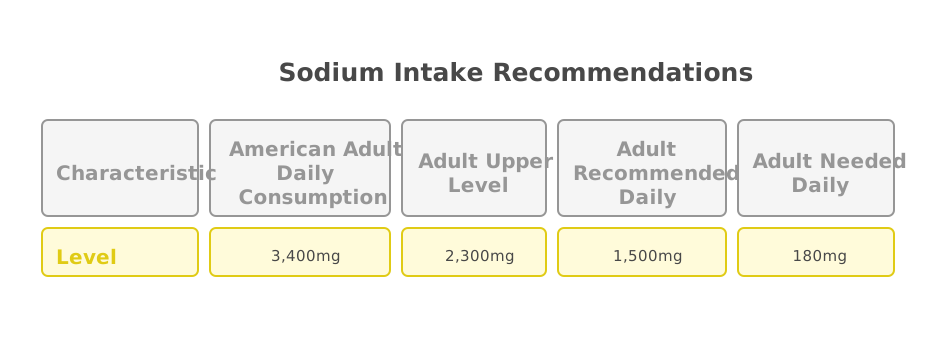
High sodium intake increases urinary calcium excretion and promotes stone formation. Limiting sodium to about 2,300 mg/day and reducing processed foods helps manage hypercalciuria. Reading labels and avoiding hidden sodium sources such as MSG supports prevention.
Testing for Causes
24-Hour Urine Test
A 24-hour urine collection measures volume, calcium, oxalate, citrate, sodium, pH, uric acid, and more. It provides critical data for personalized prevention. Clinical guidance highlights this test's role in identifying metabolic abnormalities such as low citrate or high oxalate, enabling targeted interventions.
Stone Analysis
Analyzing passed or removed stones reveals composition and directs treatment-calcium oxalate stones prompt oxalate management, uric acid stones may require urine alkalinization, and struvite stones require infection control. Combining stone analysis with urine testing gives a comprehensive approach to prevention.
Targeted Prevention
Food Calcium vs. Supplements
Dietary calcium from foods (milk, yogurt, cheese) binds oxalate in the gut and lowers stone risk. In contrast, supplements may increase hypercalciuria if mistimed. Aim for 1,000-1,200 mg of dietary calcium daily (higher for older adults), and take supplemental calcium with meals only when needed.
Citrate Therapy & Lemons
Citrate therapy-potassium citrate or dietary citrus-raises urinary citrate and inhibits stone formation. Regular citrus consumption (for example, adding lemon or lime juice to water) is a simple, natural adjunct to medical therapy when appropriate.
Key Takeaways
- Kidney stones-mostly calcium oxalate-form when urine contains high calcium or oxalate or low citrate; inorganic calcium can worsen this if supplements are misused.
- Hydration (≈2.4 L/day) dilutes urine and reduces stone-forming concentrations.
- Dietary calcium with meals binds oxalate and is preferable to untimed supplements.
- Citrate (dietary or medical) is a key inhibitor of crystal formation.
- Personalized testing (24-hour urine and stone analysis) enables targeted prevention.
Frequently Asked Questions
- Could inorganic calcium cause kidney stones?
Inorganic calcium from supplements, particularly if taken between meals, can raise urinary calcium and increase stone risk. Taking supplements with meals and following clinical advice helps mitigate this risk.
- How does a 24-hour urine test help?
A 24-hour urine test measures key risk factors-calcium, oxalate, citrate, sodium, urine volume and pH-so clinicians can recommend personalized dietary or medical strategies to prevent recurrence.
- Can dietary changes alone prevent stones?
Dietary changes (more fluids, more citrate, moderating sodium and oxalate) can substantially reduce risk. For recurrent stones, combining diet with medical interventions is often most effective.
- Why is citrate important?
Citrate binds calcium in urine and inhibits crystal growth. Increasing dietary citrate (citrus fruits) or using potassium citrate supplements raises urinary citrate and reduces stones.
References
1. Kidney Stone Pathogenesis and New Frontiers, Journal of Kidney Stone Research.
2. Elemental Composition of Urinary Calculi, Journal of Translational Medicine.
3. Core Curriculum in Nephrology: Nephrolithiasis, American Journal of Kidney Diseases.