Rochester, New York, 7/23/25 - Mineral deficiencies, such as calcium, magnesium, and potassium deficiencies, affect millions globally, contributing to health issues like osteoporosis, muscle dysfunction, and cardiovascular problems. These essential minerals are vital for bodily functions, yet poor diets, medical conditions, or absorption issues can lead to deficiencies. This guide explores the causes, symptoms, and solutions for mineral deficiency diseases, offering practical insights to support optimal health.
Understanding Mineral Deficiencies
Mineral deficiencies arise when the body lacks sufficient essential minerals, such as calcium, magnesium, or potassium, to maintain critical physiological processes. These deficiencies can stem from inadequate dietary intake, malabsorption disorders, or increased needs due to life stages like pregnancy or aging. A study in the American Journal of Clinical Nutrition emphasizes that low mineral intake is linked to widespread health issues, including bone fragility and heart complications (Weaver, 1977).
Groups at higher risk include older adults, individuals with gastrointestinal conditions, and those following restrictive diets. Addressing these deficiencies through diet, supplements, or medical intervention is essential for preventing long-term health consequences and promoting overall well-being.
Calcium Deficiency: Risks and Remedies
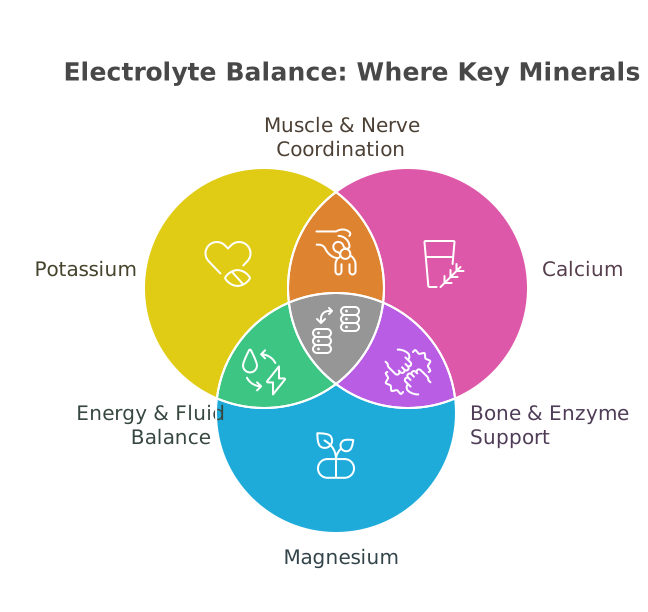
Calcium is crucial for strong bones, muscle contraction, and nerve function, yet many people fail to consume enough, leading to calcium deficiency or hypocalcemia. This condition increases the risk of osteoporosis, muscle cramps, and even heart rhythm disturbances. Research published in the Journal of Bone and Mineral Research highlights that low calcium intake significantly contributes to bone density loss, especially in postmenopausal women (Ensrud et al., 2021).
Symptoms of calcium deficiency include brittle nails, tingling sensations, and muscle spasms. Consuming calcium-rich foods like dairy, kale, or fortified plant-based milks can help, while supplements such as Calceed by Synevit® provide targeted calcium support for bone health.

Magnesium Deficiency: A Hidden Health Concern
Magnesium supports over 300 enzymatic reactions, including those for energy production, muscle relaxation, and cardiovascular health. Magnesium deficiency, often underdiagnosed, can cause fatigue, muscle cramps, and irregular heartbeats, particularly in individuals with poor diets or chronic stress. A study in the European Journal of Clinical Nutrition links low magnesium levels to increased risks of hypertension and diabetes (Barbagallo et al., 2004).
Risk factors include aging, gastrointestinal disorders, and high alcohol consumption. Foods like nuts, seeds, and spinach are excellent magnesium sources, and supplements like Magnefect (Comming Soon) by Synevit® can help maintain optimal levels.
Potassium Deficiency: Balancing Electrolytes
Potassium, a vital electrolyte, regulates fluid balance, nerve signaling, and muscle contractions, including heart function. Potassium deficiency, or hypokalemia, may result from excessive sweating, diuretic use, or low dietary intake, leading to symptoms like weakness, fatigue, and palpitations. Research underscores potassium’s role in blood pressure regulation and cardiovascular health (Weaver, 1977).
Rich sources of potassium include bananas, avocados, and sweet potatoes. Incorporating these foods into daily meals can help prevent deficiency and support electrolyte balance, reducing the risk of complications.
Diagnosis and Prevention of Mineral Deficiencies
Diagnosing mineral deficiencies typically involves blood or urine tests to measure levels of calcium, magnesium, and potassium. Healthcare providers also assess dietary habits and medical history to pinpoint underlying causes. Early detection is crucial to prevent severe outcomes like osteoporosis or heart issues, particularly in high-risk groups.
Prevention strategies include a balanced diet rich in whole foods, such as leafy greens, nuts, and fortified products. When dietary intake is insufficient, supplements under medical supervision can address deficiencies effectively, ensuring long-term health.
Key Takeaways
- Mineral deficiencies, including calcium, magnesium, and potassium, contribute to serious health issues like osteoporosis and heart problems.
- Symptoms such as fatigue, muscle cramps, and irregular heartbeats indicate potential deficiencies.
- Dietary sources like dairy, leafy greens, and bananas help prevent mineral deficiency diseases.
- Supplements like Calceed and Magnefect (Comming Soon) support optimal mineral levels.
- Regular testing and dietary adjustments are essential for early detection and prevention.
Frequently Asked Questions
- What causes mineral deficiencies?
Mineral deficiencies may result from inadequate diet, malabsorption conditions, or increased needs due to pregnancy or aging. A balanced diet or supplements can help address these issues.
- How can I detect a calcium deficiency?
Symptoms include brittle nails, muscle spasms, and tingling. Blood tests and medical consultation confirm calcium deficiency.
- Are supplements necessary for mineral deficiencies?
Supplements may be beneficial for those with confirmed deficiencies, but a varied diet is often sufficient. Consulting a healthcare provider is recommended before starting supplementation.
- Which foods are best for potassium?
Bananas, avocados, and sweet potatoes are rich in potassium. Regular consumption supports electrolyte balance and heart health.
References
1. Dietary calcium and bone health - American Journal of Clinical Nutrition
2. Calcium intake and bone mineral density: systematic review - Journal of Bone and Mineral Research
3. Magnesium metabolism and its disorders - European Journal of Clinical Nutrition