Rochester, New York, 9/28/25 - Hair loss affects over 80 million people in the United States, with causes ranging from genetics to nutritional deficiencies. Conditions like iron deficiency hair loss and vitamin D hair loss disrupt the hair growth cycle, leading to thinning and shedding. This comprehensive guide explores the link between nutrient deficiencies and hair loss, offering evidence-based insights into prevention, treatment, and the role of hair growth supplements to restore healthy hair.
Understanding Hair Loss and the Hair Growth Cycle
Hair loss, or alopecia, manifests in forms like telogen effluvium, androgenetic alopecia, and alopecia areata, often influenced by nutrient deficiencies. The hair growth cycle consists of three phases: anagen (growth), catagen (transition), and telogen (resting/shedding). Nutritional imbalances, such as low iron or vitamin D, can push hair follicles prematurely into the telogen phase, causing diffuse shedding known as telogen effluvium. A 2024 study in the American Journal of Clinical Dermatology notes that addressing these deficiencies could improve hair regrowth outcomes.
Each hair follicle operates independently, with about 85% in the anagen phase at any time. Deficiencies disrupt cellular turnover in the follicle’s matrix cells, which are critical for hair production. This disruption weakens hair strands, leading to visible thinning over time. Understanding this cycle helps identify how hair growth nutrients support healthy follicles and prevent excessive shedding.
Beyond nutrition, external factors like stress or hormonal changes can exacerbate hair loss, compounding the effects of deficiencies. Recognizing these interconnected causes allows for a holistic approach to hair health, combining dietary adjustments with lifestyle changes. Early intervention is key to preventing long-term damage to hair follicles.
Iron Deficiency Hair Loss - Causes and Solutions
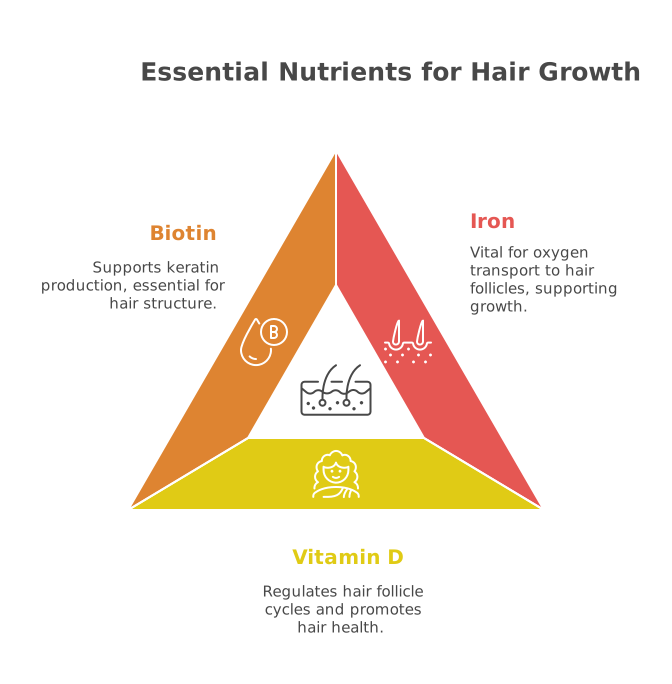
Iron is vital for hemoglobin production, which delivers oxygen to hair follicles. Insufficient iron levels impair oxygen supply, stalling growth and triggering shedding. A 2006 study published in the American Family Physician highlights iron deficiency as a common cause of telogen effluvium, particularly in premenopausal women due to menstrual blood loss. Symptoms like fatigue, pale skin, and brittle nails often accompany iron deficiency hair loss, signaling the need for evaluation.
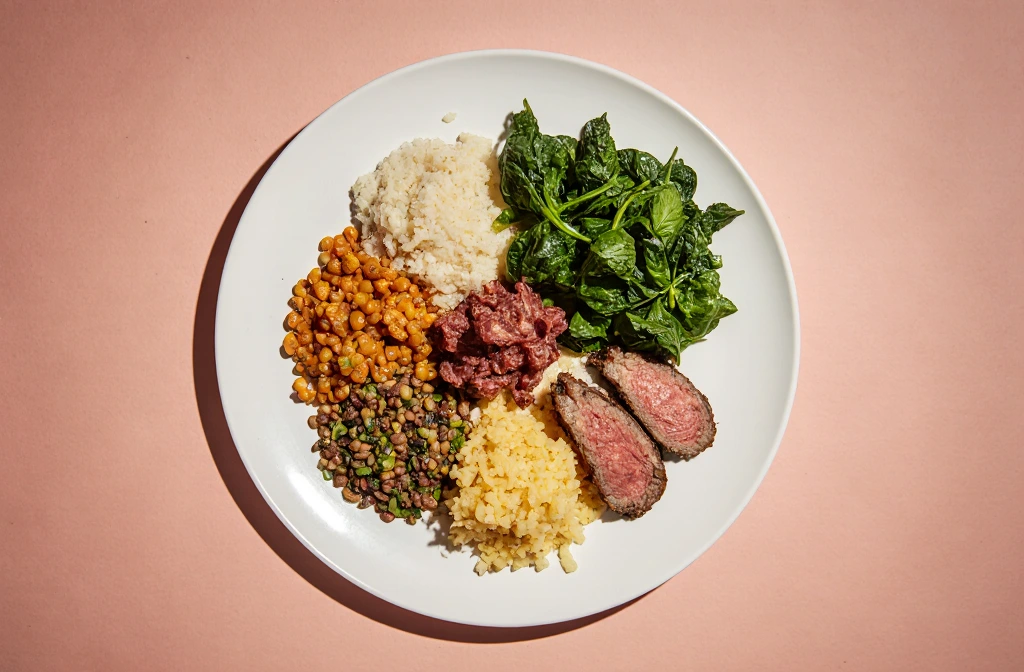
To address this, incorporating iron-rich foods like spinach, red meat, and lentils can help. Pairing these with vitamin C sources, such as oranges, enhances iron absorption. Supplements like Ferrofect by Synevit could provide targeted support, but medical guidance is essential to avoid iron overload.
For those with chronic iron deficiency, regular monitoring of ferritin levels is crucial to ensure adequate stores. Over-the-counter iron supplements should be taken cautiously, as excessive intake may lead to side effects like gastrointestinal discomfort. A balanced approach, combining diet and supplementation, offers the best chance for sustained hair regrowth.
Key Vitamins and Minerals That Affect Hair Health
Vitamin D plays a critical role in hair follicle cycling, and its deficiency is linked to alopecia areata and generalized thinning. A 2018 review in the American Journal of Clinical Dermatology found that correcting vitamin D levels could improve outcomes in autoimmune-related hair loss. Foods like salmon, fortified dairy, and egg yolks, along with safe sun exposure, boost vitamin D levels naturally.
Other nutrients like biotin, zinc, and vitamin C are equally important. Biotin supports keratin production, essential for strong hair strands, while zinc aids in follicle repair and is linked to alopecia areata prevention. Vitamin C enhances iron absorption, indirectly supporting hair health. Deficiencies in these nutrients can exacerbate hair shedding, making a balanced intake of hair growth nutrients vital.
Zinc deficiency, for instance, may also weaken the immune system, increasing susceptibility to scalp conditions that affect hair growth. Similarly, inadequate vitamin E, an antioxidant, can leave hair follicles vulnerable to oxidative stress. Incorporating foods like nuts, seeds, and leafy greens ensures a steady supply of these essential nutrients for optimal hair health.
Diagnosing Nutrient Deficiency-Related Hair Loss
Persistent hair shedding warrants professional evaluation to pinpoint nutrient deficiencies. Blood tests, such as ferritin levels for iron storage or vitamin D panels, provide clarity on underlying causes. The Cleveland Clinic Foundation recommends screening for iron deficiency in all hair loss patients, as noted in a 2006 study, even without anemia, to optimize treatment outcomes.
Other tests, like complete blood counts or thyroid function panels, can rule out related conditions like hypothyroidism, which is linked to iodine deficiency. For example, low thyroid hormone levels can slow hair growth and increase shedding. Consulting a healthcare provider ensures accurate diagnosis and tailored interventions, avoiding unnecessary supplementation.
Patients should also discuss lifestyle factors, such as diet or stress, during consultations, as these can influence nutrient absorption and hair health. A comprehensive evaluation, combining lab results and clinical history, helps create a targeted plan to address deficiency-related hair loss effectively.
Treatment Options for Hair Loss Due to Nutritional Deficiency
Targeted supplementation, such as iron supplements, can reverse deficiency-related hair loss within months, provided dosages are medically supervised. Topical treatments like minoxidil stimulate regrowth, while finasteride may benefit men with androgenetic alopecia, as supported by a 2024 study in the American Journal of Clinical Dermatology.
For severe cases, hair transplant surgery offers a permanent solution, though it’s costly and not nutrient-related. Gentle hair care practices, like avoiding heat damage or harsh chemicals, complement these treatments to support recovery. Consistent use of nutrient-focused interventions can restore hair density over time.
Additionally, addressing underlying conditions like autoimmune diseases or hormonal imbalances enhances treatment success. For instance, women with PCOS-related hair loss may benefit from magnesium supplementation to balance hormones. A multifaceted approach ensures both immediate and long-term improvements in hair health.
Preventing Hair Loss with Proper Nutrition
A hair-healthy diet emphasizes protein, iron, and vitamins A through E. Foods like eggs, nuts, and leafy greens provide a balanced mix of hair growth nutrients. Avoiding excessive supplementation, particularly of vitamin A or selenium, prevents toxicity-related shedding, as noted in clinical reviews.
Lifestyle adjustments, such as using protective hairstyles and minimizing chemical treatments, reduce hair breakage. Regular scalp care, including gentle cleansing and massage, promotes blood flow to follicles. Stress management techniques, like meditation, further support long-term hair health by reducing cortisol-related shedding.
Consistency is key in prevention. Regularly consuming nutrient-dense foods and maintaining a balanced lifestyle can minimize the risk of deficiency-related hair loss. Monitoring nutrient levels periodically, especially for at-risk groups like premenopausal women, ensures early detection and correction of imbalances.
Key Takeaways
- Iron deficiency hair loss, often linked to telogen effluvium, is reversible with proper diet and supplementation.
- Vitamin D hair loss and deficiencies in biotin or zinc can exacerbate thinning and alopecia areata.
- Accurate diagnosis through blood tests is crucial for effective treatment of nutrient-related hair loss.
- Hair growth supplements, like those from Synevit, could support recovery when used under medical guidance.
- A balanced diet and gentle hair care practices are key to preventing deficiency-related hair shedding.
Frequently Asked Questions
- Can iron deficiency cause hair loss without anemia?
Yes, low ferritin levels, even without anemia, can trigger telogen effluvium, leading to diffuse hair shedding. Addressing iron deficiency early could promote regrowth.
- Do hair growth supplements like biotin always work?
Biotin supplements are effective only for those with a confirmed deficiency. Overuse without medical advice may not improve hair health.
- How does vitamin D deficiency affect hair?
Vitamin D deficiency disrupts hair follicle cycling, potentially causing alopecia areata or thinning. Supplementation and dietary sources could help restore balance.
- Can too many vitamins cause hair loss?
Excessive intake of vitamins like A or selenium can lead to toxicity, triggering hair shedding. Moderation and professional guidance are essential.
References
1. Hair Loss: A Review of Causes, Evaluation, and Treatment Options American Journal of Clinical Dermatology
2. The Role of Vitamins and Minerals in Hair Loss: A Review American Journal of Clinical Dermatology
3. Iron Deficiency and Hair Loss: The Evidence American Family Physician