Rochester, New York, 6/12/25 - Cardiovascular health is the foundation of a vibrant, long life, yet heart disease remains the leading cause of death globally. From adopting a congestive heart failure diet to understanding the echocardiogram procedure, proactive steps can significantly reduce risks and enhance heart function. This guide explores essential strategies for heart health, including exercise, diet, stress management, and screenings, while highlighting heart health supplements and high blood pressure remedies to empower readers toward a heart-healthy future.
Why Heart Health Matters
The Importance of a Healthy Heart
The heart is the body’s powerhouse, tirelessly pumping oxygen-rich blood to every cell, tissue, and organ to sustain life. This continuous circulation delivers vital nutrients and removes waste, supporting energy levels, organ function, and overall vitality. A healthy heart maintains efficient blood flow, which is essential for physical stamina and mental clarity. However, when heart health declines, even minor issues can escalate into serious conditions like heart failure, necessitating interventions such as a congestive heart failure diet or medical procedures (Fudim et al., 2022).
Statistics and Risks of Heart Disease
Heart disease is a pervasive global health crisis, claiming millions of lives each year. The CDC reports that in the U.S., a heart attack strikes every 40 seconds, and nearly 50% of adults live with some form of cardiovascular disease. Risk factors such as high blood pressure, elevated cholesterol, obesity, smoking, and chronic stress often develop silently, damaging the heart and blood vessels over time. Proactive measures-like adopting a heart-healthy lifestyle and scheduling regular screenings such as the echocardiogram procedure-can interrupt this progression and dramatically lower the likelihood of severe outcomes.
Exercise: A Vital Component of Heart Health
The Role of Exercise in Preventing Heart Disease
Exercise is a cornerstone of cardiovascular wellness, fortifying the heart muscle, enhancing blood flow, and mitigating risk factors like hypertension and high cholesterol. The American Heart Association advises at least 150 minutes of moderate aerobic activity per week, paired with two sessions of strength training, to optimize heart health and resilience.
How Exercise Benefits the Heart
Regular physical activity delivers a wealth of cardiovascular advantages, including:
- Reducing Blood Pressure: Exercise keeps arteries flexible, easing the heart’s workload.
- Elevating HDL Cholesterol: It boosts “good” cholesterol, which clears harmful LDL cholesterol from the bloodstream.
- Supporting Weight Control: Staying active helps maintain a healthy weight, reducing strain on the cardiovascular system.
- Enhancing Blood Sugar Regulation: Movement improves insulin sensitivity, lowering the risk of diabetes-a significant heart disease contributor.
Research published in Circulation shows that consistent exercise can cut cardiovascular event risk by up to 30% (Lavie et al., 2024).
Best Exercises for Heart Health
Incorporate these activities to strengthen your heart:
- Brisk Walking: This accessible, low-impact exercise raises heart rate and builds endurance-aim for 30 minutes most days.
- Cycling: Whether indoors or out, cycling bolsters heart and leg strength while being easy on joints.
- Swimming: A gentle, full-body workout, swimming enhances circulation and is perfect for those with joint concerns.
- Resistance Training: Using weights or bands builds muscle and metabolism, supporting overall heart function.
- Stretching: Paired with yoga, stretching boosts flexibility and blood flow, enhancing aerobic efforts.
Actionable Tips for Getting Started
Ease into exercise with these practical steps:
- Start with short, 10-15 minute walks, gradually increasing time and pace.
- Mix in activities like swimming or cycling to keep routines engaging.
- Partner with a friend or join a class for added motivation and consistency.

Heart-Healthy Diet: What You Eat Matters
Importance of a Balanced Diet
A well-rounded diet is vital for managing cholesterol, blood pressure, and body weight-key pillars of heart health. For individuals with conditions like congestive heart failure, a tailored diet low in sodium and high in nutrients can alleviate fluid buildup and reduce cardiac strain, improving daily comfort and longevity.
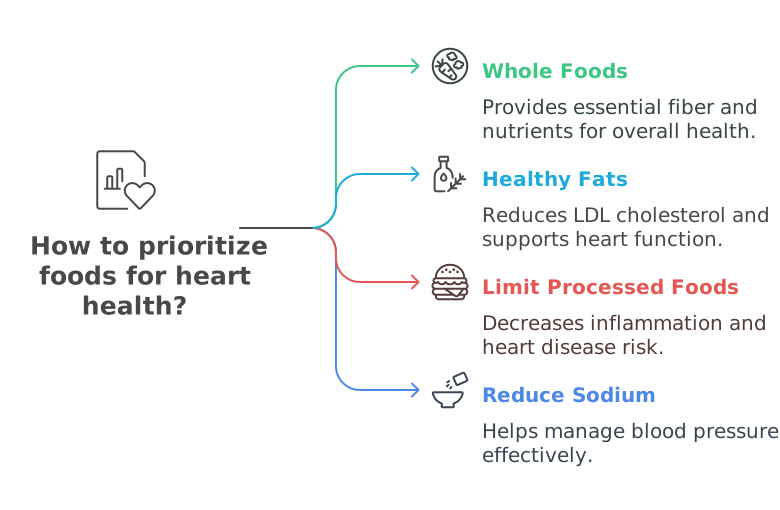
Foods to Prioritize for Heart Health
Focus on these dietary choices to nourish your heart:
- Whole Foods: Fruits, vegetables, whole grains, and lean proteins deliver fiber and nutrients that combat inflammation and support heart function.
- Healthy Fats: Olive oil, avocados, and fatty fish like salmon provide omega-3s, which reduce LDL cholesterol and arterial plaque.
- Limiting Processed Foods and Sugar: These often contain trans fats and added sugars that inflame arteries and elevate heart disease risk.
- Reducing Sodium Intake: Excess salt raises blood pressure; aim for under 2,300 mg daily, flavoring with herbs instead.
Actionable Tips for Heart-Healthy Eating
Adopt these habits for a heart-friendly diet:
- Target five daily servings of fruits and vegetables for antioxidants and fiber.
- Opt for whole grains like oats or quinoa over refined carbs to stabilize blood sugar.
- Swap salt for spices, garlic, or lemon to enhance taste without sodium.
- Consider Osteofect by Synevit® for calcium and vitamin D, benefiting both bones and heart.
Stress Management: Protect Your Heart from Overload
Why Stress Affects the Heart
Chronic stress floods the body with cortisol and adrenaline, elevating blood pressure and causing arterial inflammation. Over time, this wear and tear heightens the risk of hypertension and heart disease, making stress management a critical piece of cardiovascular care.
Effective Stress-Reduction Techniques
Try these methods to ease stress and safeguard your heart:
- Deep Breathing: Slow, deliberate breaths calm the nervous system, reducing heart rate and tension.
- Mindfulness and Meditation: Just 10 minutes daily can lower stress hormones and improve heart rate variability.
- Yoga: Blending movement and breath, yoga reduces stress while boosting circulation.
- Regular Relaxation: Hobbies like gardening or music listening provide a mental break, lowering stress levels.
Actionable Tips for Managing Stress
Build stress relief into your routine with these steps:
- Spend 5-10 minutes each morning on deep breathing or meditation.
- Join a weekly yoga session to enhance physical and mental resilience.
- Carve out time for relaxing activities to recharge consistently.
- Consider Ferrofect by Synevit® to maintain energy and cope with stress effectively.
Sleep: The Unsung Hero of Heart Health
How Sleep Affects Heart Health
Sleep offers the heart a vital respite, slowing heart rate and lowering blood pressure to aid recovery. It also balances hormones that regulate appetite and stress, both of which influence cardiovascular wellness.
The Risks of Poor Sleep
Lack of sleep raises the odds of hypertension, heart attacks, and strokes by disrupting these restorative processes. It can also contribute to weight gain and insulin resistance, compounding heart risks over time.
Tips for Improving Sleep Quality
Enhance your sleep with these practices:
- Consistent Sleep Schedule: Stick to regular bed and wake times to sync your body clock.
- Limit Screen Time Before Bed: Cut screens an hour before sleep to support melatonin production.
- Create a Calming Bedtime Routine: Wind down with reading or a warm bath to cue relaxation.
The Importance of Regular Heart Screenings
Why Regular Screenings Matter
Routine screenings, such as the echocardiogram procedure, catch heart problems early, enabling timely treatment. This proactive approach can prevent minor issues from escalating into severe conditions like heart failure.
What to Screen For
Monitor these key indicators:
- Blood Pressure: Regular checks detect hypertension, which often lacks symptoms but harms arteries.
- Cholesterol Levels: Tracking LDL and HDL helps prevent plaque buildup in blood vessels.
- Blood Sugar Levels: Managing glucose reduces diabetes risk, a major heart health threat.
Actionable Tips for Staying on Top of Screenings
Keep your heart in check with these steps:
- Book annual exams to monitor blood pressure, cholesterol, and glucose.
- Review results with your doctor to assess your risk profile.
- Inquire about advanced tests like an echocardiogram if heart disease runs in your family.
Early Warning Signs of Heart Disease: Stay Vigilant
Common Symptoms to Watch For
Be alert for these potential red flags:
- Chest Pain or Discomfort: Pressure or squeezing may indicate reduced blood flow to the heart.
- Shortness of Breath: Struggling to breathe during light activity could signal heart strain.
- Unusual Fatigue: Ongoing exhaustion, even after rest, may point to heart issues.
- Dizziness or Lightheadedness: Feeling faint might suggest poor circulation.
When to Seek Immediate Medical Attention
Act fast if you experience:
- Severe chest pain or pressure lasting more than a few minutes.
- Sudden, intense shortness of breath disrupting normal activity.
- Unexplained dizziness or fainting that persists.
Conclusion: A Heart-Healthy Future
Small Steps for a Big Impact
Building heart health doesn’t demand drastic overhauls-simple habits like daily walks, more vegetables, and stress reduction can yield profound benefits, lowering disease risk over time.
Consistency is Key for Long-Term Heart Health
Long-term success hinges on sticking to lifestyle changes and routine check-ups. Supplements like Ferrofect by Synevit®, with bioavailable iron, can enhance oxygen delivery and energy, crucial for a thriving heart.
Key Takeaways
- Cardiovascular health is critical, with heart disease being a leading global killer.
- Exercise, like brisk walking and swimming, strengthens the heart and lowers risk factors.
- A heart-healthy diet prioritizes whole foods, healthy fats, and low sodium, supporting conditions like congestive heart failure.
- Stress management and sleep are vital for reducing heart strain and improving function.
- Regular screenings, such as the echocardiogram procedure, and awareness of symptoms ensure early detection and effective heart failure treatment.
Frequently Asked Questions
- What is a congestive heart failure diet?
A congestive heart failure diet emphasizes low-sodium, nutrient-rich foods like fruits, vegetables, and lean proteins to minimize fluid retention and ease heart strain.
- What happens during an echocardiogram procedure?
An echocardiogram uses ultrasound waves to produce detailed images of the heart’s structure and function, aiding in the diagnosis and treatment of heart conditions.
- Are heart health supplements effective?
Supplements like Osteofect can complement a balanced diet and medical advice to support cardiovascular wellness.
- What are high blood pressure remedies?
Effective remedies include cutting sodium, staying active, managing stress, and using supplements like Ferrofect to improve circulation.
References
1. Dietary interventions in heart failure - Journal of the American College of Cardiology
2. Exercise and cardiovascular health - Circulation