Rochester, New York, 5/30/25 - Exercise and hard work are cornerstones of a healthy, resilient life. Fitness programs, from agility drills to bodybuilding workouts, reshape the body while fostering mental toughness. Meanwhile, disciplined effort in daily tasks builds grit and supports long-term well-being. Backed by recent research, this guide explores how exercise routines and hard work impact the body, highlighting key physiological and psychological benefits. It also covers essential supplements to enhance these effects, drawing from studies on muscle growth, cardiovascular health, and mental resilience.
The Science Behind Exercise: Understanding the Body’s Response to Physical Activity
Muscle Adaptation and Growth: The Key to Strength and Endurance
Engaging in muscle building workouts or agility drills triggers microtears in muscle fibers, prompting the body to repair and strengthen them through protein synthesis. A 2023 study published in the Journal of Strength and Conditioning Research (PMID: 37804419) shows that resistance training enhances muscle hypertrophy, boosting strength and endurance. Rest is crucial for recovery, as muscles grow stronger during this period. Supplements like protein powders or branched-chain amino acids (BCAAs) could amplify these effects, as discussed in insights on Supplemental Synergy.
Incorporating home workout plans with exercises like squats or push-ups could accelerate muscle adaptation. Consistency in these routines ensures progressive overload, where muscles face increasing challenges, leading to sustained growth over time.
Cardiovascular Health: How Exercise Boosts Heart Function and Circulation
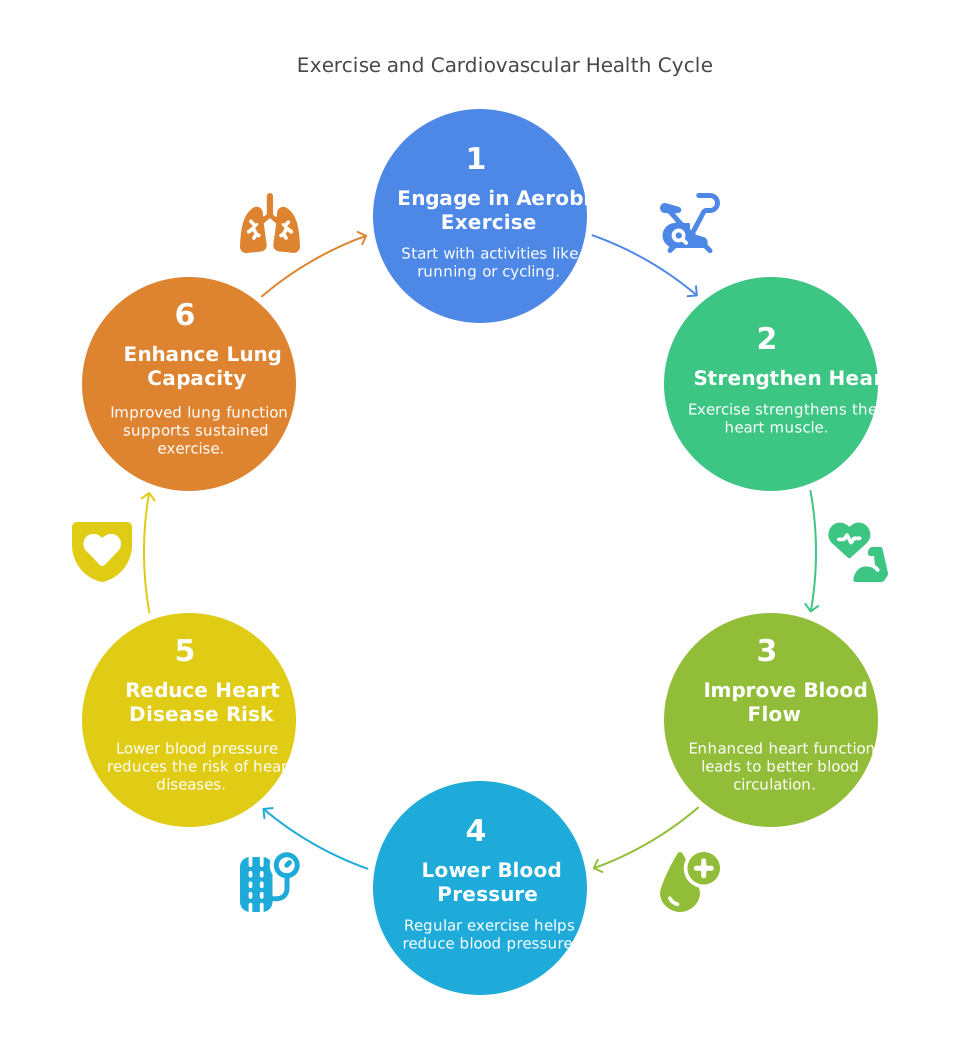
Aerobic activities, such as endurance training or cycling, strengthen the heart, improving blood flow and oxygen delivery. A 2003 study in the American Journal of Cardiology (PMID: 14599232) found that regular aerobic exercise lowers blood pressure and reduces heart disease risk. These activities also enhance lung capacity, making fitness programs more sustainable. Omega-3 supplements could further support cardiovascular health by reducing inflammation.
Practical examples include incorporating 30-minute brisk walks or swimming sessions into weekly routines. These exercises improve heart efficiency, allowing better performance during high-intensity tasks.
Mental Health Benefits: How Exercise Reduces Stress and Improves Mood
Exercise routines stimulate endorphin release, which elevates mood and reduces stress. A 2024 study in the Journal of Affective Disorders (PMID: 38507778) demonstrates that regular physical activity mitigates symptoms of anxiety and depression. Flexibility exercises, like yoga, further promote relaxation by lowering cortisol levels.
Simple home workout plans, such as 20-minute yoga sessions or bodyweight circuits, could provide these mental health benefits. Adding magnesium supplements may enhance stress reduction, supporting overall well-being, as noted in discussions on Supplements.
Hard Work and Its Physiological Effects on the Body
The Link Between Mental Stress and Physical Health
Hard work, whether through professional tasks or intense focus, activates the body’s stress response, increasing cortisol and adrenaline. Chronic stress from prolonged effort could elevate blood pressure and impair immune function. However, short-term stress from disciplined work could enhance focus and productivity, provided recovery is prioritized.
For example, meeting tight deadlines may spike cortisol, but pairing this effort with physical activity could balance its effects. Iron supplements, like those discussed in Bioavailable Iron, could support energy levels during demanding periods.
Mental Resilience: The Benefits of Hard Work Beyond Physical Fitness
Persistent effort fosters discipline and grit, which translate into better adherence to fitness programs. The mental toughness developed through hard work could make it easier to stick to weight loss exercises or endurance training. This resilience also promotes self-efficacy, encouraging healthier lifestyle choices.
For instance, committing to a challenging project could build the same perseverance needed for a consistent exercise routine. This synergy enhances both mental and physical outcomes, creating a cycle of self-improvement.

Combining Hard Work and Physical Exercise
Balancing Physical and Mental Effort for Maximum Health Benefits
Combining exercise with mental challenges creates a powerful synergy. Physical activity, like agility drills, enhances cognitive function by boosting brain-derived neurotrophic factor (BDNF), as noted in the 2024 study (PMID: 38507778). Meanwhile, disciplined work sharpens focus, making it easier to maintain fitness goals.
A practical approach involves scheduling workouts alongside work tasks, such as a morning run followed by focused work sessions. Supplements like B vitamins could support energy and cognitive function, enhancing this balance.
Overcoming Burnout: How to Recover from Hard Work and Intense Exercise
The Importance of Rest and Recovery for Physical Health
Intense exercise without rest could lead to overtraining, causing fatigue or injury. The 2023 study (PMID: 37804419) emphasizes that muscles grow during recovery, not during workouts. Adequate sleep and rest days are essential for optimizing fitness programs and preventing burnout.
Incorporating rest days into home workout plans, such as taking two days off weekly, ensures muscle repair. Protein supplements could further aid recovery by supporting muscle synthesis.
Finding the Right Balance: The Secret to Long-Term Health and Fitness
Building Healthy Habits: How to Integrate Hard Work and Exercise into Daily Life
Consistency in exercise and mental effort drives long-term success. Starting with simple routines, like 20-minute flexibility exercises or daily task prioritization, builds sustainable habits. The 2003 study (PMID: 14599232) underscores that regular, moderate exercise yields significant health benefits over time.
Practical steps include setting realistic goals, like three weekly workouts, and using tools like planners to balance work and exercise. Supplements like multivitamins could fill nutritional gaps, supporting sustained energy.
Key Takeaways
- Exercise routines enhance muscle growth, cardiovascular health, and mental well-being, with benefits amplified by supplements like protein and omega-3s.
- Hard work builds mental resilience, supporting adherence to fitness programs and overall health.
- Balancing exercise and mental effort with adequate rest prevents burnout and promotes long-term success.
- Consistency in small, daily habits drives significant physical and mental improvements.
- Supplements like B vitamins and iron could support energy and recovery during intense periods.
Frequently Asked Questions
- How do exercise routines benefit mental health?
Exercise stimulates endorphin release, reducing stress and improving mood. Studies, like one from 2024 (PMID: 38507778), show that regular activity mitigates anxiety and depression symptoms.
- What supplements should I take for exercise and hard work?
Protein powders and BCAAs support muscle recovery, while omega-3s and B vitamins enhance heart and cognitive health. Iron supplements, like those from Bioavailable Iron, could boost energy.
- How can I avoid burnout from intense exercise and work?
Incorporate rest days and prioritize sleep to allow muscle and mental recovery. Mindfulness practices could further reduce stress, ensuring sustainable progress.
- What’s the best way to balance exercise and hard work?
Schedule workouts and work tasks strategically, like morning exercise followed by focused work. Consistency in small, manageable routines builds lasting habits.
References
1. Resistance Training Enhances Muscle Hypertrophy Journal of Strength and Conditioning Research
2. Aerobic Exercise Reduces Cardiovascular Risk American Journal of Cardiology
3. Exercise Mitigates Anxiety and Depression Journal of Affective Disorders