Rochester, New York, 8/22/25 - Mild osteoporosis and its precursor, osteopenia, often go undetected in women aged 40-49, quietly weakening bones until a fracture signals a problem. As hormonal changes during perimenopause accelerate bone loss, early detection, nutritional strategies, and lifestyle adjustments become essential for maintaining strong bones. This in-depth guide explores the causes, symptoms, and prevention strategies for mild osteoporosis, incorporating insights from recent studies and widely accepted health practices to empower women to protect their bone health proactively.
What Is Mild Osteoporosis?
Mild osteoporosis, often diagnosed as osteopenia, is characterized by a reduction in bone mineral density (BMD) that is below normal but not severe enough to qualify as full osteoporosis. A DEXA scan, a standard tool for measuring BMD, typically reveals a T-score between -1.0 and -2.5 for osteopenia, signaling early bone thinning. For women aged 40-49, this condition often develops without noticeable symptoms, increasing the risk of fractures in the spine, hips, or wrists if not addressed early.
Unlike advanced osteoporosis, mild cases are frequently reversible with targeted interventions, including proper nutrition, exercise, and supplementation. A study published in the Journal of Bone and Mineral Research highlights that early action can significantly slow or even reverse bone loss in premenopausal women, emphasizing the critical role of awareness and screening in the 40s to maintain long-term bone health.
Causes and Risk Factors
Bone loss in women aged 40-49 is primarily driven by hormonal changes, particularly the decline in estrogen during perimenopause. Estrogen helps regulate bone resorption, and its reduction accelerates bone breakdown, leading to osteopenia or mild osteoporosis. Additional risk factors include a family history of osteoporosis, low body weight, chronic conditions like thyroid disorders or diabetes, and certain medications, such as corticosteroids, which can weaken bones over time.
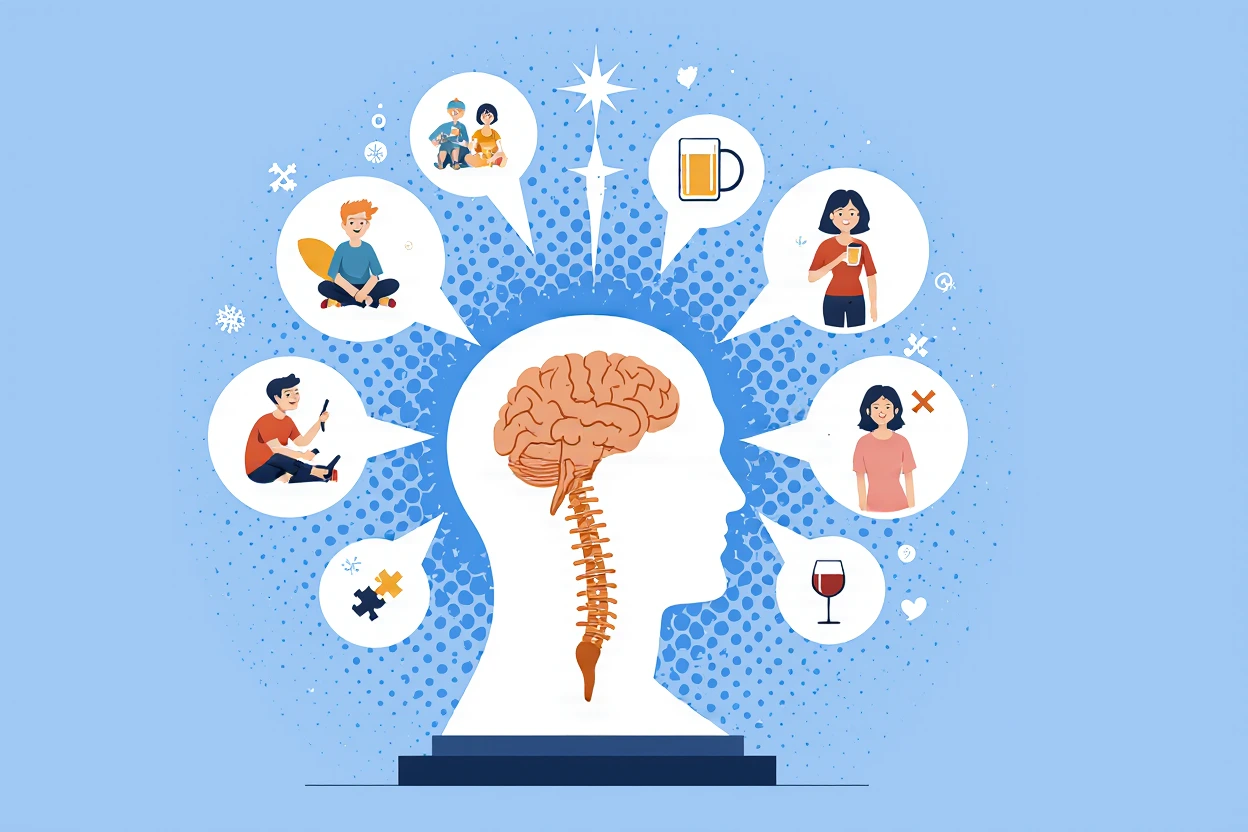
Lifestyle factors significantly contribute to bone health. Sedentary habits, smoking, excessive alcohol or caffeine consumption, and inadequate intake of calcium or vitamin D can accelerate bone thinning. Research from Osteoporosis International suggests that women with low calcium intake and limited sun exposure are particularly susceptible to early bone loss, highlighting the importance of addressing these modifiable risk factors to prevent progression.
Early Signs of Bone Loss
Mild osteoporosis is often called the "silent disease" because it typically presents no obvious symptoms until a fracture occurs. However, subtle indicators may include gradual height loss, persistent back or hip pain, receding gums (potentially signaling jawbone loss), or brittle nails. These signs, though easy to dismiss, may point to early bone thinning, particularly in women with risk factors like early menopause or a family history of fractures.
Early detection through a DEXA scan is crucial for women in their 40s, especially those with risk factors. A study in Bone Reports recommends screening for women who experience minor fractures from low-impact activities, as these may indicate underlying bone density issues. Recognizing these early warning signs and seeking timely screening can prevent the progression to more severe osteoporosis.
Nutritional Strategies for Bone Health
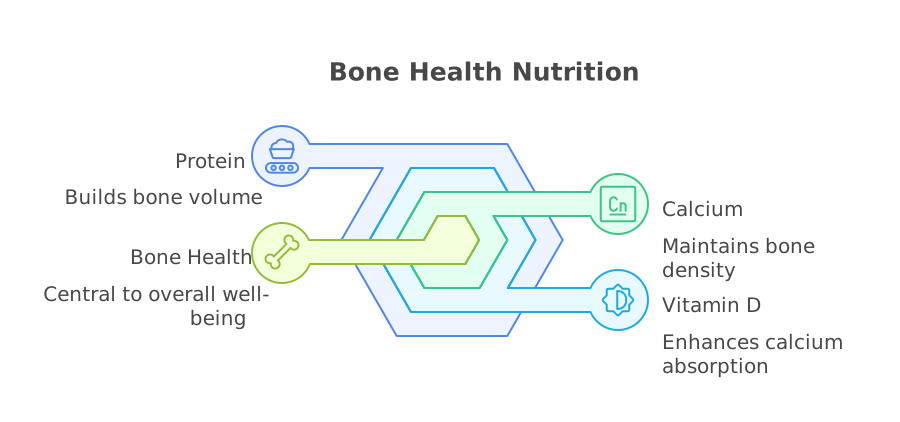
A calcium-rich diet for women is vital for maintaining bone density, with experts recommending 1,000-1,200 mg of calcium daily from sources like dairy (yogurt, cheese, milk), leafy greens (kale, spinach, broccoli), and fortified plant-based milks. Pairing calcium with vitamin D enhances absorption, with a target serum vitamin D level of 40-60 ng/mL, achievable through foods like fatty fish, supplements, or moderate sun exposure. Deficiencies in either nutrient can compromise bone strength, making dietary planning essential.
Protein, which constitutes about 50% of bone volume, is equally critical. Incorporating lean meats, tofu, beans, or nuts supports bone remodeling and muscle strength, reducing fracture risk. Products like Osteofect by Synevit® combine calcium, vitamin D, and other bone-supporting nutrients, offering a convenient option for women seeking comprehensive bone health support, as noted in user reviews praising improved bone density markers.
Exercise and Lifestyle for Strong Bones
Weight-bearing and resistance exercises are highly effective for improving bone density in women aged 40-49. Activities like squats, lunges, jumping, or brisk walking apply mechanical stress to bones, stimulating growth and strengthening key areas like the hips and spine. A 2015 study in Bone found that premenopausal women performing 10-20 jumps daily, 3-4 times per week, showed significant improvements in hip and spine bone density, underscoring the value of consistent exercise.
Lifestyle changes, such as quitting smoking, limiting alcohol to one drink per day, and reducing caffeine intake, also protect bone health. Supplementation with Vitamin D3 can address deficiencies, particularly for women with limited sun exposure due to indoor lifestyles or geographic location. Combining these habits with regular physical activity builds a strong foundation for long-term bone health.
Integrative Approaches to Bone Health
In addition to conventional strategies, integrative approaches can complement efforts to manage mild osteoporosis. Natural remedies, such as consuming juices rich in bone-supporting nutrients like carrot, spinach, or celery, may provide antioxidants and minerals that support bone health. Herbal supplements, including horsetail or red clover, are sometimes used for their potential to support bone remodeling, though scientific evidence is limited and consultation with a healthcare provider is advised.
Holistic practices like yoga or tai chi improve balance and posture, reducing fall risk, which is critical for preventing fractures. Mindfulness and stress reduction techniques may also indirectly support bone health by lowering cortisol levels, which can otherwise contribute to bone loss. Integrating these approaches with medical guidance ensures a well-rounded strategy for maintaining strong bones in midlife.
Key Takeaways
- Mild osteoporosis, or osteopenia, involves early bone thinning and is often reversible with proactive measures like diet and exercise.
- Hormonal changes during perimenopause, low calcium, and vitamin D deficiencies are major risk factors for women in their 40s.
- Subtle signs like height loss or minor fractures signal the need for a DEXA scan to detect bone loss early.
- A calcium-rich diet, vitamin D supplementation, and weight-bearing exercises significantly enhance bone density.
- Integrative approaches, such as natural juices and yoga, complement conventional strategies for holistic bone health.
- Lifestyle changes, including quitting smoking and using supplements like Osteofect, support long-term bone strength.
Frequently Asked Questions
- What is the difference between osteopenia and osteoporosis?
Osteopenia refers to a milder reduction in bone density (T-score between -1.0 and -2.5), while osteoporosis indicates more severe bone loss (T-score below -2.5). Both increase fracture risk, but osteopenia is often reversible with lifestyle changes.
- When should women in their 40s get a DEXA scan?
Women with risk factors like early menopause, family history, or low body weight should consider a DEXA scan in their 40s. Early screening detects bone loss before fractures occur, enabling timely intervention.
- Can exercise reverse mild osteoporosis?
Weight-bearing and resistance exercises, such as jumping or lifting weights, can improve bone density in women with mild osteoporosis. Consistency and proper technique are essential for measurable results.
- How does vitamin D support bone health?
Vitamin D enhances calcium absorption, critical for bone formation and strength. Maintaining optimal levels (40-60 ng/mL) through diet, supplements, or sun exposure supports healthy bones.
- Are natural remedies effective for bone health?
Natural remedies like nutrient-rich juices or herbal supplements may support bone health by providing minerals and antioxidants. However, their efficacy varies, and they should be used under medical supervision.
References
1. Early Bone Loss and Osteoporosis Risk in Premenopausal Women Journal of Bone and Mineral Research
2. Impact of Exercise on Bone Density in Premenopausal Women Bone
3. Nutritional Strategies for Bone Health in Midlife Women Osteoporosis International