Rochester, New York, 1/24/26 - Ovarian cysts are often linked to hormone imbalances involving estrogen and progesterone, but iodine status may also play a role. Beyond its well-known impact on thyroid health, iodine accumulates in ovarian tissue and helps support follicle development, ovulation, and estrogen balance. Low iodine intake could disrupt these processes and increase the likelihood of cyst formation in some women.
With changing diets and less iodized salt in use, mild iodine deficiency is becoming more common. Even when symptoms are subtle, long-term low iodine intake may affect reproductive health, showing that iodine matters beyond the thyroid.
Iodine Deficiency
Iodine deficiency occurs when dietary intake does not meet the body’s requirements for this essential trace mineral. The thyroid gland relies on iodine to produce hormones that regulate metabolism and development, but iodine is also required by several other tissues.
Reduced use of iodized salt, limited seafood intake, and dietary restrictions have allowed iodine deficiency to persist even in developed regions. Women of reproductive age are particularly vulnerable due to cyclical hormonal demands.
Long-term mild iodine deficiency may not show clear thyroid symptoms, yet it can still influence ovarian function over time.
For women evaluating nutritional support options, formulations such as SYNEVIT®'s Synfoline are designed to provide iodine alongside supportive nutrients, though professional guidance remains essential.
For a detailed overview, see Understanding Iodine Deficiency.
Ovarian Cysts
Ovarian cysts are fluid-filled sacs that develop on or inside the ovaries, most often as part of normal menstrual cycle changes. Functional cysts can form when a follicle does not release an egg or when the corpus luteum (a short-lived gland that forms after ovulation) remains longer than usual.
Many cysts disappear on their own, but some can lead to pelvic discomfort, bloating, or changes in menstrual cycles. Irregular ovulation and estrogen dominance often contribute to cyst persistence.
Why Iodine Matters Beyond the Thyroid
Iodine is highly concentrated in the ovaries, second to the thyroid, underscoring its key role in reproductive processes.
Within ovarian tissue, iodine is involved in supporting follicle development, ovulation, and balanced hormonal signaling, including estrogen responsiveness.
Iodine Deficiency and Ovarian Cyst Formation
Cysts may form when follicles don’t fully mature or ovulation is delayed. Low iodine levels can disrupt this process, potentially increasing the likelihood of cycles without ovulation.
In such cases, immature follicles may persist and evolve into cysts. Animal and observational human studies suggest low iodine status is associated with impaired ovulation and reduced fertility potential.
The Estrogen Connection
Estrogen dominance stimulates tissue proliferation in estrogen-sensitive organs, including the ovaries. Iodine appears to help regulate estrogen signaling and limit excessive proliferative responses.
Low iodine may make tissues more sensitive to estrogen, which can contribute to cyst persistence, especially in PCOS.
Iodine, Thyroid Hormones, and the Ovaries
Thyroid hormones play a critical role in menstrual regularity and ovulation. Iodine deficiency reduces thyroid efficiency, even when laboratory values appear normal.
Since the body directs iodine to the thyroid first, the ovaries may become iodine-deficient earlier, which could affect ovarian signaling and menstrual cycles.
A Widespread but Underestimated Deficiency
Iodine deficiency remains more common than widely recognized. Dietary changes, reduced iodized salt use, and limited seafood intake contribute to this trend.
Women of reproductive age, particularly those with restricted diets, may be at increased risk of subtle reproductive effects from long-term iodine insufficiency.
Supporting Iodine Status Safely
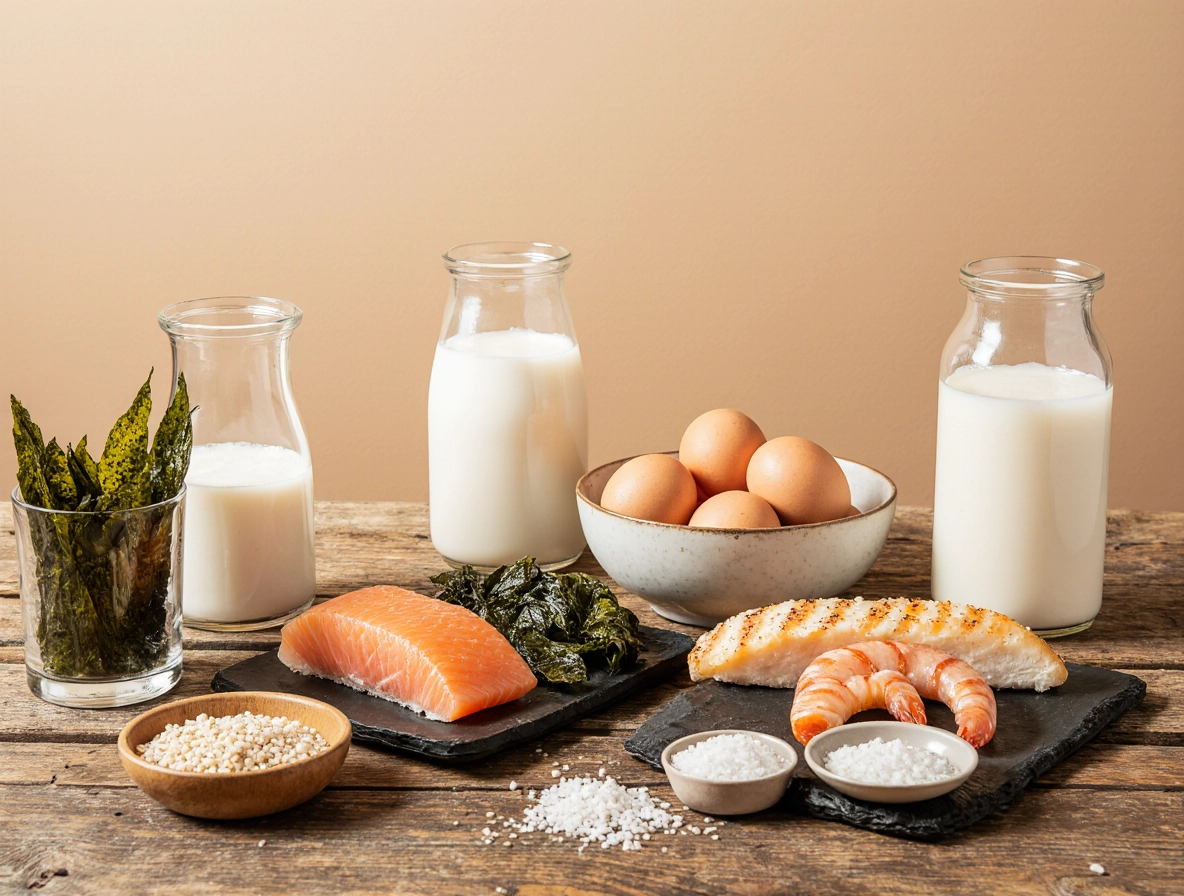
Maintaining adequate iodine levels should focus on balanced dietary intake rather than high-dose supplementation. Natural sources include seafood, sea vegetables, eggs, dairy, and iodized salt.
Ensuring adequate cofactors such as selenium, zinc, iron, and vitamin A supports proper iodine utilization. Targeted supplementation should be guided by a qualified healthcare professional.
Key Takeaways
- Iodine concentrates highly in ovarian tissue and supports normal ovulation.
- Deficiency may contribute to anovulatory cycles and cyst formation.
- Iodine helps regulate estrogen signaling in reproductive tissues.
- Ovarian deficiency may occur before thyroid dysfunction is detected.
- Balanced dietary intake supports long-term reproductive health.
Frequently Asked Questions
- What role does iodine play in ovarian health?
Iodine supports follicle maturation, ovulation, and estrogen regulation within ovarian tissue.
- Can iodine deficiency cause ovarian cysts?
While not a direct cause, deficiency may increase risk by impairing ovulation and enhancing estrogen sensitivity.
- Is iodine supplementation safe?
Supplementation should be individualized and guided by a healthcare professional, particularly for those with thyroid conditions.
- How can iodine intake be improved naturally?
Through seafood, sea vegetables, eggs, dairy products, and iodized salt.
- Does iodine affect PCOS?
Low iodine status may worsen ovulatory dysfunction and cyst formation seen in PCOS.
References
1. Dietary iodine and risk of breast, endometrial, and ovarian cancer - The Lancet
2. Iodine and the ovaries - ZRT Laboratory