Rochester, New York, 6/29/25 - As the summer season encourages more outdoor activities and socializing, it’s an opportune time to focus on health and wellness, especially for those planning a family. Proper nutrition plays a crucial role in fertility, pregnancy, and breastfeeding. This blog post explores essential vitamins and supplements that can boost fertility, support a healthy pregnancy, and provide necessary nutrients for breastfeeding mothers. Drawing from expert recommendations and research, such as the article on Synfoline Provides Targeted Folate and Iodine Support, this guide aims to help you navigate your journey from preconception to postpartum.
Fertility Supplements: Boosting Your Chances of Conception
For couples trying to conceive, fertility supplements can significantly enhance reproductive health. Nutrients like folic acid, vitamins B6 and B12, myo-inositol, and antioxidants improve fertility in both women and men. Folic acid is vital for women planning to conceive, preventing neural tube defects early in pregnancy. A study in the Journal of Clinical Psychopharmacology highlights inositol’s role in enhancing serotonin pathways, aiding mood stability during preconception-a key factor since stress can hinder fertility.
Antioxidants such as vitamins C and E, CoQ10, and selenium protect sperm and egg cells from oxidative stress, improving their quality. Omega-3 fatty acids, found in fish oil, enhance egg quality and sperm motility. For women with PCOS, myo-inositol and D-chiro-inositol improve insulin response and ovulation. Men benefit from L-arginine and acetyl L-carnitine, which support sperm motility. Prenalact, Synevit's prenatal and lactation vitamin supplement offers targeted preconception support.

Prenatal Supplements: Supporting a Healthy Pregnancy
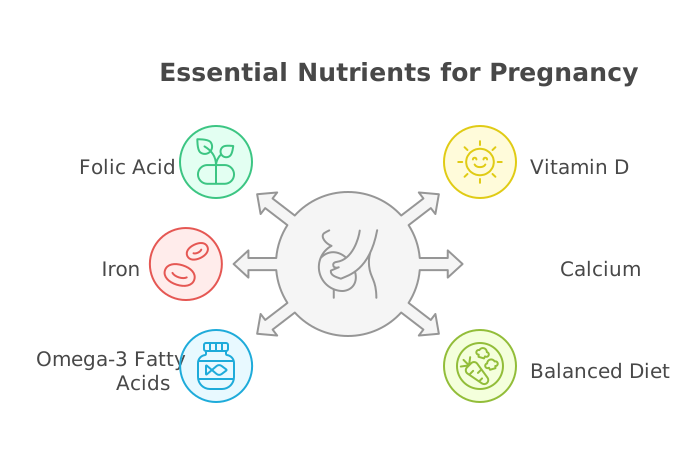
Once conception occurs, prenatal supplements meet the increased nutritional demands of pregnancy. The NHS recommends 400 micrograms of folic acid daily until the 12th week and 10 micrograms of vitamin D for bone health, avoiding retinol (vitamin A) due to fetal risks. B-complex vitamins reduce fatigue, while iron prevents anemia, and omega-3 DHA supports fetal brain development. As discussed in Synevit’s Synfoline Is a Healthy Pregnancy Precaution, this supplement provides folate and iodine support. For more information on Synfoline, Synevit's methylfolate and iodine complex, visit the product page.
Vitamins for Breastfeeding: Ensuring Optimal Nutrition
Postpartum, breastfeeding moms need extra nutrients. B-complex vitamins combat fatigue, iron and zinc aid recovery, and vitamin D and calcium support bone health. Omega-3 DHA, vital for infant brain development, passes through breast milk. As highlighted in Breastfeeding Is Linked to Significant Long-Term Benefits, Synfoline supports lactation with folate and iodine. Consult a healthcare provider for tailored supplementation.
Key Takeaways
- Folic acid prevents neural tube defects in early pregnancy.
- Antioxidants protect reproductive cells, boosting fertility.
- Prenatal supplements like folic acid, vitamin D, and omega-3 DHA are essential.
- Breastfeeding requires B-vitamins, iron, zinc, and DHA.
Frequently Asked Questions
- What supplements boost fertility?
Folic acid, B6, B12, myo-inositol, antioxidants, and omega-3s enhance reproductive health.
- Any supplements to avoid in pregnancy?
Avoid retinol (vitamin A) and cod liver oil; consult a doctor first.
- How to get enough nutrients while breastfeeding?
Use postnatal supplements and a balanced diet rich in key nutrients.
References
- Inositol’s Role in Serotonin Pathways, Journal of Clinical Psychopharmacology
- Fertility Supplements, Reproductive Medicine Journal