Rochester, New York, 7/26/25 - Vitamin and mineral deficiencies impact millions worldwide, leading to symptoms like fatigue, hair loss, and cognitive issues. These essential nutrients are vital for energy production, immune function, and overall health, yet inadequate diets, health conditions, or lifestyle factors can deplete them. This guide explores the causes, symptoms, and solutions for vitamin deficiencies, emphasizing the role of dietary changes and supplements like those from Synevit®. Backed by recent research, it offers actionable steps to maintain optimal nutrient levels and prevent long-term complications.
Understanding the Role of Vitamins and Minerals in Health
Vitamins and minerals are micronutrients essential for bodily functions, from immune support to bone health. Vitamins, such as A, C, D, and B-complex, regulate processes like cell growth and energy metabolism, while minerals like calcium and iron support structural and enzymatic roles. A 2020 study in Nutrients (PMID: 33022267) highlights their necessity for preventing chronic diseases. Deficiencies occur when intake or absorption falls short, leading to health issues.
Modern diets, often high in processed foods, deplete nutrient levels, increasing deficiency risks. Stress and environmental factors further exacerbate this, making supplementation, such as with Neurocomplex-B, a practical solution for maintaining balance.
Symptoms of Vitamin and Mineral Deficiencies
Fatigue and Weakness
Fatigue is a hallmark of deficiencies in vitamin D, B12, or iron, impairing energy production. A 2015 study in Nutrients (PMID: 25688659) links low B12 to reduced red blood cell formation, causing tiredness. Incorporating fortified foods or supplements can alleviate these symptoms.
For example, a daily B12 supplement or iron-rich foods like spinach can boost energy. Persistent fatigue warrants a vitamin deficiency test to identify underlying issues.
Dry Skin and Hair
Deficiencies in vitamins A, C, or biotin often manifest as dry skin or vitamin deficiency and hair loss. These nutrients support collagen and keratin production. Regular intake of citrus fruits or biotin supplements can restore skin and hair health.
Topical treatments alone are insufficient; addressing nutrient gaps through diet or supplements is key to long-term improvement.
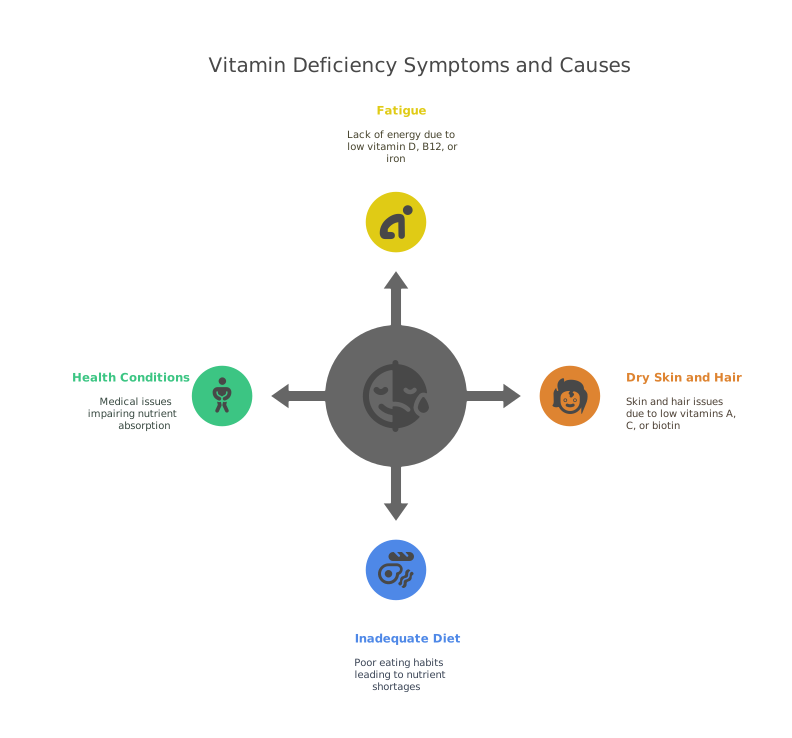
Causes of Vitamin and Mineral Deficiencies
Inadequate Diet
Poor dietary habits, such as reliance on processed foods, are a leading cause of vitamin deficiency causes. Diets low in fruits, vegetables, or animal products often lack vitamins C, A, or B12. The 2020 study (PMID: 33022267) notes that vegan diets require careful planning to avoid B12 shortages.
Including diverse foods like berries, nuts, and fish can mitigate risks. For those with restrictive diets, vitamin deficiency supplements are often necessary.
Health Conditions and Malabsorption
Conditions like celiac disease or Crohn’s impair nutrient absorption, leading to deficiencies. The 2015 study (PMID: 25688659) emphasizes that gastrointestinal disorders reduce B12 uptake, necessitating injections or high-dose supplements.
Managing these conditions with medical support and targeted supplementation can restore nutrient levels effectively.
Treatment for Vitamin and Mineral Deficiencies
Dietary Changes and Nutritional Planning
A balanced diet rich in whole foods corrects most deficiencies. Foods like salmon (vitamin D), oranges (vitamin C), and eggs (biotin) address specific gaps. Nutritional planning ensures consistent intake, reducing reliance on supplements.
For example, a weekly meal plan with leafy greens and lean proteins can prevent deficiencies. Consulting a dietitian enhances outcomes.
Vitamin Supplements and Injections
When diet alone is insufficient, supplements like Neurocomplex-B or vitamin D capsules are effective. Severe cases, such as B12 deficiency, may require injections for rapid correction, as noted in the 2015 study (PMID: 25688659).
Always consult a healthcare provider to determine appropriate dosages and avoid over-supplementation.

Specific Vitamin and Mineral Deficiencies
Vitamin D Deficiency
Vitamin D deficiency, common in regions with limited sunlight, leads to bone pain and fatigue. The 2020 study (PMID: 33022267) links it to increased osteoporosis risk. Sun exposure, fortified foods, or supplements can correct this.
Daily 800 IU vitamin D3 supplements are often recommended for adults with low levels, alongside calcium-rich foods.
For convenient supplementation, consider Syncadol, which delivers a clean boost of D3, and Osteofect, combining calcium, magnesium, zinc, plus vitamins D3 and K2 to further support optimal bone mineralization.
Vitamin B12 Deficiency
B12 deficiency, prevalent in vegans and older adults, causes anemia and neurological issues. The 2015 study (PMID: 25688659) highlights its role in nerve function. Animal products or fortified cereals are primary sources, with supplements as a reliable alternative.
Regular B12 testing and supplementation prevent long-term complications like nerve damage.
Diagnosing Vitamin and Mineral Deficiencies
Blood Tests for Vitamin Deficiencies
Blood tests, such as serum B12 or 25-hydroxyvitamin D, accurately diagnose deficiencies. These tests guide treatment by pinpointing specific nutrient shortages, as supported by the 2020 study (PMID: 33022267).
Individuals experiencing vitamin deficiency symptoms like fatigue or hair loss should seek testing to confirm nutrient status.
Preventing Vitamin and Mineral Deficiencies
Healthy Eating Habits
A diet rich in fruits, vegetables, whole grains, and proteins prevents deficiencies. Regular consumption of nutrient-dense foods like avocados and almonds supports overall health.
Meal prepping with varied ingredients ensures consistent nutrient intake, reducing deficiency risks.
Supplementation and Fortified Foods
Fortified foods, like cereals with B12, and supplements provide additional support. The 2015 study (PMID: 25688659) recommends routine supplementation for at-risk groups, such as vegetarians or the elderly.
Products like Neurocomplex-B offer convenient solutions for maintaining nutrient levels.
Key Takeaways
- Vitamin deficiencies cause symptoms like fatigue, dry skin, and cognitive issues, impacting overall health.
- Inadequate diets and malabsorption are primary vitamin deficiency causes, requiring dietary or supplemental intervention.
- Blood tests are essential for diagnosing deficiencies, guiding targeted treatments.
- Supplements like Neurocomplex-B, Syncadol, Osteofect, and other supplements from the Synevit product line, along with fortified foods, prevent nutrient shortages.
- Early detection and balanced nutrition reduce risks of complications like anemia or bone loss.
Frequently Asked Questions
- What are common signs of vitamin deficiency?
Fatigue, dry skin, hair loss, and cognitive issues are frequent indicators. A vitamin deficiency test can confirm specific nutrient shortages.
- How can I prevent vitamin deficiencies?
Consume a balanced diet with fruits, vegetables, and fortified foods. Supplements like those from the Synevit product line support nutrient intake.
- Why do deficiencies occur despite a healthy diet?
Health conditions like celiac disease or medications can impair absorption. Regular testing helps identify and address these issues.
References
1. Role of Vitamins in Chronic Disease Prevention Nutrients
2. Vitamin B12 Deficiency and Fatigue Nutrients