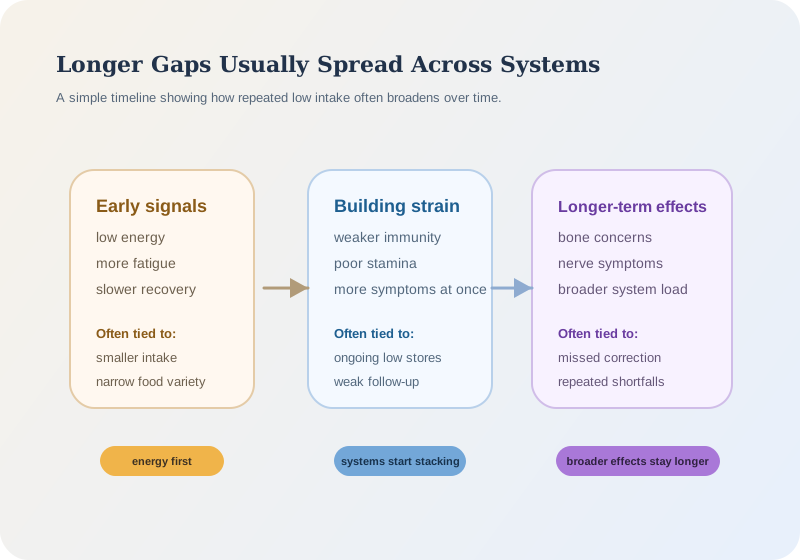
Rochester, New York, 4/10/26 - Long-term nutritional deficiency does not always arrive with one dramatic symptom. More often, it builds slowly through narrow eating patterns, poor absorption, repeated dieting, heavy nutrient demands, or chronic health issues that leave intake below where it needs to be. Over time, that gap may show up as low energy, more frequent illness, slower recovery, bone concerns, numbness, mood shifts, or lab findings that only make sense once nutrition enters the picture.
That is why this topic is best understood as a pattern rather than as a single-miracle-nutrient story. Long-term nutritional deficiency is linked to problems in immunity, red blood cell production, bone maintenance, nerve function, and metabolic health. The goal is not to turn every vague symptom into a deficiency diagnosis. It is to show where nutrition may deserve a closer look, which early signs matter, and what practical prevention usually looks like in real life.
Why Long-Term Deficiency Builds Slowly
Long-term nutritional deficiency usually begins with repeated shortfalls that do not feel serious in the moment. Skipped meals, very limited food variety, low protein intake, digestive issues, restrictive dieting, alcohol overuse, swallowing problems, chronic vomiting, intestinal malabsorption, and some chronic diseases all belong in that conversation. The review Main Nutritional Deficiencies explains that nutritional inadequacy and nutritional deficiency are not the same thing, but both reflect intake or status falling below what the body needs to function normally.
That distinction matters because the body often compensates for a while. People may keep going through fatigue, poor concentration, low appetite, brittle nails, muscle weakness, or a slow decline in exercise tolerance without recognizing a shared cause. By the time the pattern feels obvious, the deficiency has often been building in the background for months.

Immune and Energy Effects Often Show Up First
Some of the earliest effects of dietary deficiency show up in day-to-day resilience. The same 2022 review links macro- and micronutrient deficiencies with increased infection susceptibility, poor wound healing, higher morbidity, and broader functional decline (PubMed: 36479498). In practical terms, people often notice that they get run down more easily, take longer to bounce back, or feel tired in a way that sleep alone does not fully fix.
Iron deficiency is a common example because it affects oxygen delivery and often overlaps with shortness of breath, poor stamina, dizziness, and low energy. If that picture extends into anemia, the effect on everyday function may become much more obvious. For readers who want a focused explanation of that part of the deficiency story, Synevit's Effective Ways to Fix Anemia is a useful companion read.
Bone, Nerve, and Thyroid-Related Concerns
Long-term nutritional deficiency may also affect body systems that people do not immediately connect to food. Low vitamin D status is associated with weaker bone health and may become more visible through bone pain, muscle discomfort, or poorer recovery from inactivity. Low B12 is associated with neurologic symptoms such as numbness, tingling, balance trouble, and cognitive changes. Cleveland Clinic also notes that vitamin deficiency may show up through muscle weakness, nerve symptoms, and weaker bones depending on the nutrient involved (Cleveland Clinic: Vitamin Deficiency).
Iodine belongs in this section too because long-term low iodine intake affects thyroid hormone production, and thyroid function influences energy, temperature tolerance, and metabolic pace. That does not mean every thyroid complaint comes from iodine, but it is one of the classic examples of how long-term deficiency reaches well beyond a generic tired feeling. Synevit's Understanding Iodine Deficiency gives a more focused look at that connection.
Metabolic and Whole-Body Strain Over Time
Nutrition influences metabolic health through more than body weight alone. A long stretch of poor intake may affect blood sugar regulation, muscle mass maintenance, recovery from exercise, and the body's ability to manage ordinary stress. The deficiency review above describes severe nutrient reduction as a state in which the body is unable to normally perform its functions and faces a higher risk of several chronic diseases. That language is broad, but the practical point is simple: nutrition supports the systems that keep everything else running.
That whole-body strain is one reason long-term deficiency often looks messy rather than neat. A person may have poor stamina, low mood, brittle hair, frequent illness, slow healing, reduced training progress, and subtle lab changes at the same time. Looking at one symptom in isolation misses the pattern. Looking at diet, absorption, blood loss, medication burden, and routine together usually tells a more honest story.
Early Warning Signs and Common Causes
Nutrient deficiency symptoms often start small: persistent fatigue, more frequent headaches, brain fog, pale skin, hair shedding, brittle nails, cramps, numbness, dizziness, low mood, or getting sick more often than usual. Vitamin deficiency symptoms and mineral deficiency symptoms overlap heavily, which is why self-diagnosis gets unreliable very quickly. The pattern becomes more meaningful when those signs last for months or appear alongside a narrow diet, digestive problems, or significant weight change.
Common nutrient deficiency causes include low diet variety, long-term restrictive eating, bariatric surgery, chronic gastrointestinal disease, heavy menstrual losses, some medications, alcohol overuse, and life stages with higher demands. Once those drivers are present, prevention of nutrient deficiency depends less on willpower alone and more on having a plan that fits real life.
Prevention Through Diet, Routine, and Follow-Up
The most reliable prevention strategy still starts with food. Balanced meals built around protein, legumes, vegetables, fruit, dairy or fortified alternatives, eggs, fish, nuts, seeds, and whole grains give the body a much steadier nutrient base than repetitive convenience eating. Sunlight and dietary sources also remain part of vitamin D status, which is why Synevit's Sun Exposure and Vitamin D fits naturally into this broader deficiency discussion.
Follow-up matters too. If symptoms remain in place, a clinician may look at iron studies, vitamin D, B12, folate, thyroid markers, or other labs depending on the pattern. That is usually a better route than guessing based only on internet lists. The longer the deficiency pattern has been present, the more useful that targeted approach becomes.
Why a Targeted Support Plan Still Matters
Once the likely gap is clearer, support works best when it is targeted, tolerable, and consistent. The right supplement plan should match the likely deficiency, the diet pattern behind it, and the person's ability to stay with it long enough to matter. That is part of why Synevit's educational content keeps the focus on practical routines, thoughtful formulation, and steady follow-through instead of dramatic promises.
Long-term nutritional deficiency often develops quietly, and it often improves the same way: through steady meals, better nutrient coverage, good follow-up, and realistic support. That is less exciting than a quick fix, but it is far closer to how durable progress usually happens.
Key Takeaways
- Long-term nutritional deficiency often develops slowly through repeated gaps in intake, absorption, or recovery.
- Immune weakness, chronic fatigue, low stamina, bone concerns, nerve symptoms, and thyroid-related issues may all be part of the picture.
- Nutrient deficiency symptoms overlap heavily, so patterns and context matter more than one symptom alone.
- Diet quality, sunlight, food variety, and appropriate follow-up are central to prevention of nutrient deficiency.
- Targeted testing and targeted support usually work better than broad guesswork.
Frequently Asked Questions
- What health conditions are most often linked to long-term nutritional deficiency?
Commonly discussed areas include weakened immunity, anemia, bone weakness, neurologic symptoms, thyroid-related concerns, poor wound healing, and broader fatigue or metabolic strain.
- Does long-term deficiency always produce obvious symptoms right away?
No. It often builds slowly, which is why the first signs may look vague or easy to dismiss.
- Which nutrient deficiency symptoms deserve earlier attention?
Persistent fatigue, pale skin, numbness, tingling, recurrent illness, low stamina, brittle nails, hair shedding, dizziness, and poor concentration are all reasonable signals to review more closely.
- How is prevention of nutrient deficiency usually handled in practice?
Through better diet variety, correction of underlying causes, and targeted supplements or monitoring when a clinician decides they are appropriate.