Rochester, New York, 10/22/25 - Managing diabetes requires a comprehensive approach that blends nutrition, lifestyle changes, and medical guidance. Blood sugar supplements, including vitamins, minerals, and herbal remedies, have gained attention for their potential to support metabolic health and reduce complications. This guide explores the science-backed benefits of supplements, offering insights into their role in diabetic care and empowering individuals to make informed wellness decisions.
Understanding Nutrition in Diabetes
Diabetes, particularly type 2, disrupts the body’s ability to regulate blood sugar due to insulin resistance or insufficient insulin production. Proper nutrition is critical, as it influences glucose metabolism and helps prevent complications like heart disease or nerve damage. Research, such as a study in PubMed, emphasizes that personalized meal plans paired with physical activity improve metabolic control.
Supplements can address nutrient deficiencies common in diabetes, such as low vitamin D or magnesium, which may worsen insulin sensitivity. While not replacements for medication or lifestyle changes, products like Syncadol can complement a holistic diabetes management plan. Understanding how nutrition and supplementation interplay is key to optimizing long-term health outcomes for those with diabetes.
A balanced diet rich in whole foods, such as non-starchy vegetables, lean proteins, and healthy fats, forms the foundation of diabetes nutrition. Supplements should be viewed as an adjunct to fill specific gaps, particularly when dietary intake or medication use, like metformin, depletes essential nutrients. This holistic approach ensures that individuals address both immediate blood sugar control and long-term wellness.
Core Vitamins for Blood Sugar Control
Vitamin D - The Sunshine Nutrient
Vitamin D supports insulin sensitivity and reduces inflammation, critical for diabetes management. A study in PubMed links low vitamin D levels to increased insulin resistance, particularly in those with limited sun exposure. Supplementing with 1,000-4,000 IU daily, as seen in products like vitamin D from Synevit, may improve glucose control in deficient individuals.
Sources like fortified dairy, salmon, or egg yolks provide vitamin D, but supplementation is often necessary for those with darker skin or minimal outdoor time. Regular blood tests ensure optimal dosing without risking toxicity. For individuals with diabetes, maintaining adequate vitamin D levels may also support immune health, reducing the risk of infections, which are more common in diabetic populations due to compromised immune responses.
Vitamin B12 - Nerve and Energy Support
Vitamin B12 is vital for nerve health and energy metabolism, especially for those on metformin, which can deplete B12 levels. Deficiency may mimic diabetic neuropathy, causing tingling or fatigue. Foods like fish, eggs, and fortified cereals or supplements like Ferrofect can help maintain adequate levels.
Essential Minerals for Diabetes
Magnesium - Boosting Insulin Sensitivity
Magnesium aids over 300 biochemical reactions, including glucose metabolism. Low magnesium levels, common in diabetes, may impair insulin sensitivity, per a PubMed review. Leafy greens, nuts, and supplements (200-600 mg daily) can address deficiencies, supporting blood sugar control and heart health.
Excess caffeine, alcohol, or processed foods may deplete magnesium, making supplementation a practical choice for many. Monitoring is essential to avoid digestive side effects like diarrhea from high doses. Magnesium also supports cardiovascular health, a critical consideration given that diabetes doubles the risk of heart disease, according to the American Heart Association.

Chromium - Enhancing Glucose Regulation
Chromium enhances insulin’s effectiveness, potentially lowering fasting glucose. Studies show modest benefits from 200 mcg daily, found in broccoli, nuts, or supplements. While not universally recommended, it’s a popular choice in diabetic care products.
Herbal and Natural Supplements
Berberine - A Natural Insulin Sensitizer
Berberine, derived from plants like goldenseal, improves insulin sensitivity and glucose metabolism. A PubMed study notes its effects may rival metformin in some cases. Doses of 900-1,500 mg daily are common, but digestive discomfort or medication interactions require medical oversight.
Its growing popularity stems from its natural origin and research-backed benefits, making it a staple in many diabetes nutrition plans. Always consult a doctor before combining with medications, as berberine can affect liver enzymes. Berberine’s potential to lower HbA1c levels makes it a promising option for those seeking natural support for blood sugar control.
Probiotics - Gut Health and Glucose Metabolism
Probiotics support gut health, reducing inflammation linked to insulin resistance. Strains like L. rhamnosus GG show promise in improving glucose metabolism. Incorporating fermented foods like yogurt, kefir, or supplements can enhance overall metabolic health, particularly when paired with a nutrient-rich diet.
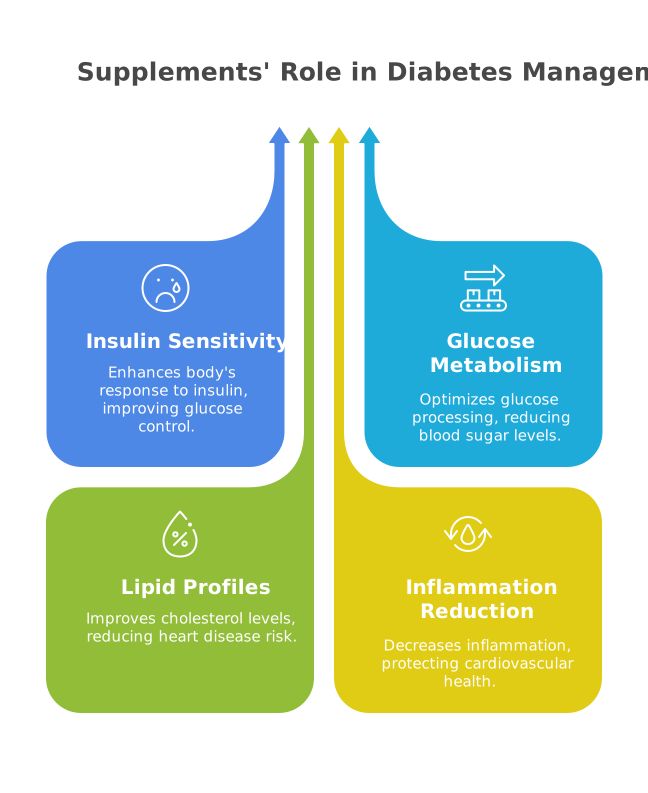
Integrating Supplements into Your Plan
Combining with Lifestyle Habits
Supplements work best alongside a balanced diet, regular exercise, and stress management. A Mediterranean diet, rich in vegetables, olive oil, and healthy fats, enhances the effects of supplements like omega-3s or magnesium. Daily walks or yoga can further improve insulin sensitivity, amplifying supplement benefits.
Consistency in lifestyle habits is crucial for maximizing the effectiveness of blood sugar supplements. For example, regular physical activity not only improves glucose uptake but also enhances the body’s ability to utilize nutrients from both food and supplements. A holistic approach ensures sustainable diabetes management, reducing the risk of complications like diabetic retinopathy, which affects up to 80% of people with diabetes after 20 years, per the National Eye Institute.
Professional Guidance
Consulting a healthcare provider ensures supplements align with medications and health needs. Regular blood tests monitor nutrient levels and glucose control, preventing interactions or over-supplementation. Personalized plans, as highlighted in a PubMed review, optimize outcomes.
Long-Term Perspectives on Supplementation
Diabetes is a lifelong condition that impacts multiple systems, including the cardiovascular, nervous, and renal systems. Supplements like vitamin D, magnesium, and berberine may play a role in reducing long-term complications by addressing oxidative stress and inflammation, as noted in a PubMed study. For instance, antioxidants like vitamin C or alpha-lipoic acid could help protect against nerve damage, a common issue affecting up to 50% of diabetic patients, according to the National Institute of Diabetes and Digestive and Kidney Diseases.
Emerging research is exploring personalized supplementation based on genetic and metabolic profiles. This approach, known as nutrigenomics, may allow tailored supplement regimens that optimize blood sugar control and minimize complications. While still in its early stages, such advancements highlight the evolving role of diabetic care products in future diabetes management.
Globally, traditional medicine systems like Ayurveda and Traditional Chinese Medicine have long used herbal supplements like gymnema sylvestre and berberine for metabolic health. Modern science is now validating these approaches, bridging ancient wisdom with evidence-based practice. This convergence underscores the importance of integrating time-tested remedies with contemporary medical guidance for comprehensive care.
Broad Knowledge for Diabetes Management
Effective diabetes management extends beyond supplements to encompass a deep understanding of the condition’s impact on overall health. Type 2 diabetes, driven by genetic predisposition and lifestyle factors like poor diet, obesity, or inactivity, increases the risk of complications such as cardiovascular disease, kidney damage, and stroke. A PubMed study highlights that addressing these risks requires a multifaceted approach, including nutrition, exercise, and stress reduction.
Education about diabetes empowers individuals to make proactive choices. For instance, understanding the glycemic index helps in selecting foods that stabilize blood sugar, while knowledge of insulin resistance informs the need for supplements like magnesium or chromium. Programs promoting diabetes literacy, paired with products like Syncadol, can enhance self-management and long-term outcomes.
Community and cultural factors also play a significant role in diabetes care. In many regions, access to healthy foods or medical resources may be limited, making supplements a practical option for addressing nutrient gaps. For example, the CDC reports that over 37 million Americans have diabetes, with higher prevalence in underserved communities, emphasizing the need for accessible solutions. By combining global insights with personalized strategies, individuals can build sustainable plans that align with their lifestyle and cultural context.
Another commonly known fact is that maintaining a healthy weight is crucial, as losing 5-10% of body weight can significantly improve blood sugar control, according to the American Diabetes Association. Additionally, stress management techniques like mindfulness or meditation can lower cortisol levels, which otherwise exacerbate insulin resistance. These widely recognized strategies, paired with supplementation, create a robust framework for managing diabetes effectively.
Key Takeaways
- Blood sugar supplements like vitamin D, magnesium, and berberine support insulin sensitivity and metabolic health.
- Nutrient deficiencies, common in diabetes, may worsen complications if unaddressed.
- Supplements should complement, not replace, a healthy diet and exercise routine.
- Medical supervision ensures safe use, especially with medications like metformin.
- Quality matters-choose third-party tested brands like Synevit for reliable diabetic care products.
- Education, weight management, and cultural awareness enhance diabetes management and supplement efficacy.
Frequently Asked Questions
- Can supplements cure diabetes?
No, supplements cannot cure diabetes but may support blood sugar control and overall health. They work best alongside prescribed treatments and lifestyle changes.
- Which supplements are best for type 2 diabetes?
Vitamin D, magnesium, chromium, and berberine are commonly studied for their benefits in insulin sensitivity and glucose metabolism. Always consult a doctor for personalized advice.
- Are there risks to taking blood sugar supplements?
Some supplements, like berberine, may interact with medications or cause side effects. Medical guidance and quality products minimize risks.
- How do I choose high-quality supplements?
Look for third-party certifications (USP, NSF) and reputable brands like Synevit to ensure purity and accurate labeling.
References
2. Vitamin D and Type 2 Diabetes PubMed