Rochester, New York, 5/07/25 - Inositol, sometimes called vitamin B8, is a naturally occurring compound that’s increasingly recognized for its diverse health benefits. Present in everyday foods like fruits, beans, and nuts, and synthesized within the body, inositol is essential for processes such as cell signaling, insulin regulation, and neurotransmitter function. This detailed guide dives into what inositol is, its scientifically supported benefits, safety considerations, and practical tips for use, providing you with a thorough understanding to make informed health choices.
The short answer: Inositol, sometimes called vitamin B8, is a naturally occurring compound found in foods like fruits, beans, and nuts, and it is also made by the body. Studies suggest it may support mood, insulin function, and reproductive health, though larger studies are still needed for some uses.
What Is Inositol?
Inositol is a carbohydrate classified as a cyclic polyol, with the molecular formula C6H12O6. It exists in nine stereoisomers-variations of the same molecule with slightly different structures-among which myo-inositol is the most prevalent in nature and the human body. Other forms, such as scyllo-inositol, epi-inositol, and chiro-inositol, also exist and may offer distinct health benefits, though they’re less commonly researched. Structurally, inositol resembles a sugar molecule, but it functions differently, playing a pivotal role in cellular processes rather than serving as an energy source.
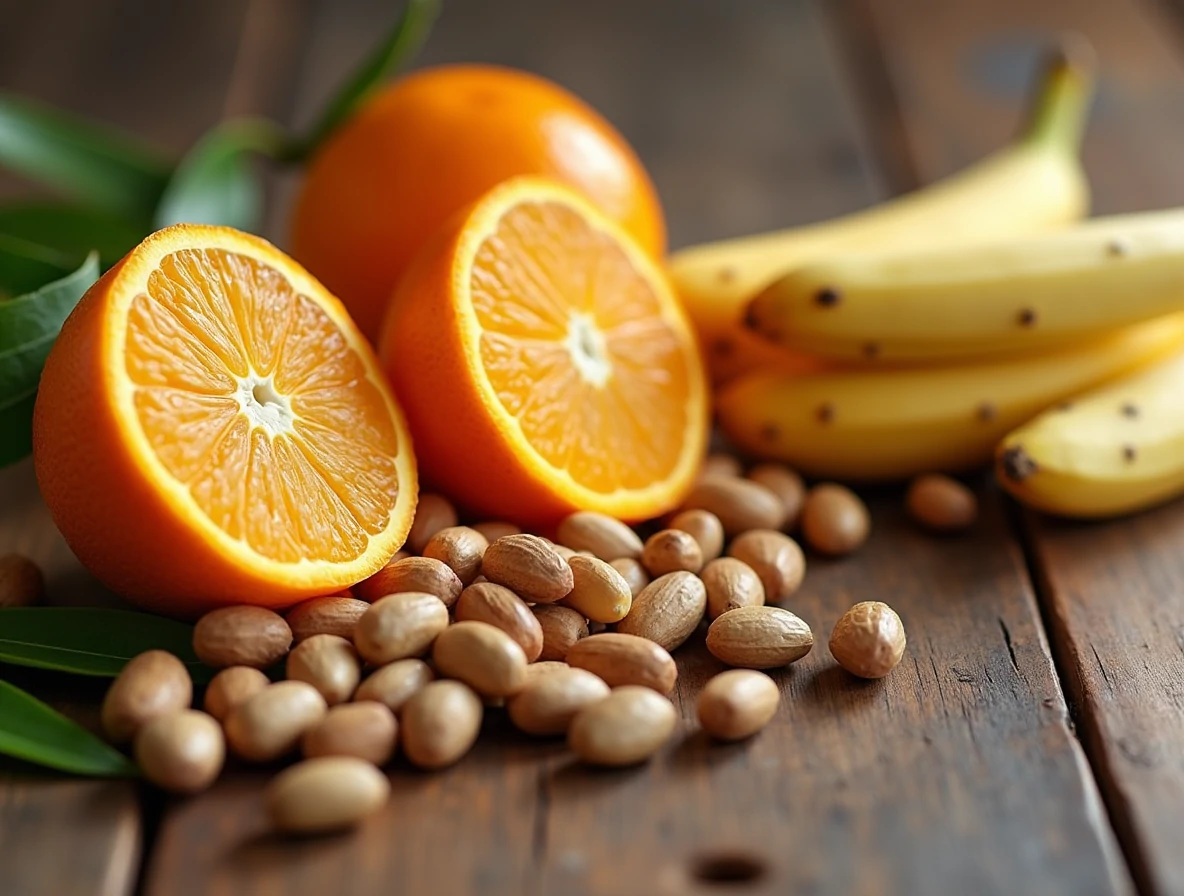
This compound is naturally abundant in fiber-rich foods. Fruits like cantaloupe, grapefruit, and oranges provide 100-500 mg per serving, depending on portion size and ripeness. Legumes, including beans, lentils, and chickpeas, offer 100-300 mg per serving, while whole grains like oats and brown rice, along with nuts such as almonds and seeds like sunflower seeds, contribute 50-200 mg. The body also produces inositol from glucose, primarily in organs like the kidneys, liver, and brain, where it supports vital functions. Although dietary intake typically supplies about 1 gram daily, supplementation can elevate levels significantly, which may be necessary for therapeutic purposes.
Once considered vitamin B8, inositol isn’t a true vitamin since the body can synthesize it. It’s integral to forming cell membranes, regulating insulin, and facilitating neurotransmitter activity-processes that underpin mental clarity, metabolic stability, and reproductive health. Its role in mood regulation is underscored by a 2023 study published in the Journal of Clinical Psychopharmacology, which highlights its significant influence on serotonin pathways-key to maintaining emotional balance. Supplements often provide doses far exceeding dietary intake-ranging from 2 to 18 grams daily-making inositol a versatile tool for addressing conditions like anxiety, polycystic ovary syndrome (PCOS), and insulin resistance.
Health Benefits of Inositol
Inositol’s benefits span mental health, metabolic function, reproductive wellness, and cardiovascular support, backed by a growing body of research. Here’s a deeper look at its advantages.
Mental Health Support
Inositol influences neurotransmitters like serotonin and dopamine, which regulate mood and emotional well-being. Studies suggest it may reduce symptoms of anxiety, depression, and obsessive-compulsive disorder (OCD). This is supported by a landmark trial in the Journal of Clinical Psychopharmacology, where participants taking 12-18 grams of inositol daily saw their panic attack frequency halved, suggesting a promising natural option for anxiety relief. A 2019 meta-analysis in the Journal of Affective Disorders further showed that inositol’s impact on depression rivals that of SSRIs, though larger studies are needed to solidify dosing guidelines.
For bipolar disorder, inositol shows promise as an adjunct therapy. A small study in the same journal reported fewer and less severe manic and depressive episodes with supplementation. While not a substitute for medication, its minimal side effects make it an attractive option for those exploring complementary approaches. Real-world applications include individuals using inositol to ease social anxiety or stabilize mood swings, often reporting subtle but noticeable improvements over weeks of consistent use.
Blood Sugar and Metabolic Health
Inositol enhances insulin sensitivity, a cornerstone of metabolic health. Research published in Diabetes Care revealed that a daily dose of 2-4 grams of inositol significantly improved insulin function in individuals with metabolic syndrome and gestational diabetes, offering a potential strategy to reduce the risk of type 2 diabetes. It also aids fat metabolism, which may support weight loss. A 2020 study in the Journal of Obesity found that overweight individuals taking inositol lost more weight and reduced BMI compared to a placebo group, suggesting a role in obesity management.
Pregnant women may benefit too. A 2018 study in the Journal of Maternal-Fetal & Neonatal Medicine showed a lower incidence of gestational diabetes among those supplementing with inositol. This could translate to fewer complications like high birth weight or maternal hypertension, though long-term studies are pending. Practically, inositol might be paired with dietary changes-like reducing refined carbs-for amplified metabolic benefits.
Fertility and PCOS
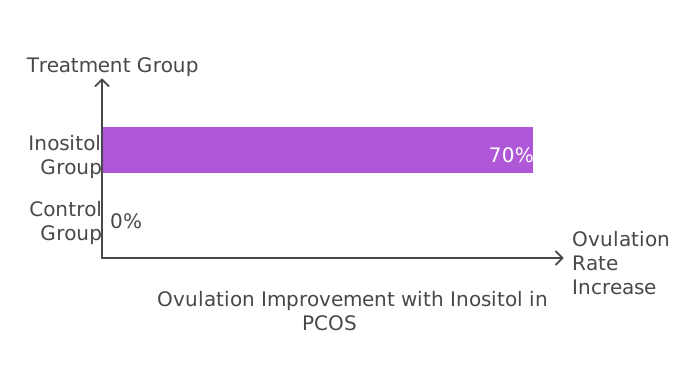
Inositol, especially myo-inositol, is a game-changer for women with PCOS. By improving insulin and hormone balance, it boosts ovulation and menstrual regularity. A pivotal study in Gynecological Endocrinology found that women with PCOS who took 2-4 grams of myo-inositol daily experienced a remarkable 70% increase in ovulation rates, highlighting its potential as a fertility aid. For IVF, a 2017 study in the Journal of Assisted Reproduction and Genetics linked inositol to better egg quality and higher pregnancy rates, offering hope to couples undergoing fertility treatments.
Men benefit too. A 2019 study in the Journal of Andrology found that inositol improved sperm concentration, motility, and morphology in men with oligoasthenoteratozoospermia (OAT). Couples might use inositol alongside lifestyle changes-like quitting smoking or optimizing diet-to enhance fertility outcomes. Its dual action on male and female reproductive health underscores its broad utility.
Cardiovascular Benefits
Inositol supports heart health by managing lipid levels and inflammation. A comprehensive study in the Journal of Nutrition demonstrated that inositol supplementation led to a 10% reduction in triglycerides and a 5% decrease in cholesterol levels, underscoring its benefits for heart health. A 2018 study in the Journal of Lipid Research added that it lowers pro-inflammatory cytokines while boosting anti-inflammatory markers, potentially cutting cardiovascular disease risk. Combined with its metabolic effects, inositol offers a holistic approach to heart wellness.
Additional Benefits
Inositol may improve skin health by balancing hormones, reducing acne in PCOS patients, and could enhance hair growth, though evidence is anecdotal. For men, improved sperm motility hints at broader reproductive benefits. Its wide-ranging effects make it a flexible supplement for various wellness goals.
Is Inositol Safe?
Inositol is generally safe, with clinical trials supporting doses up to 18 grams daily. Mild side effects like bloating, nausea, or diarrhea may occur above 12 grams, but these are rare and dose-dependent. Starting low and adjusting gradually can mitigate discomfort. However, specific groups need caution. Pregnant and breastfeeding women lack sufficient safety data, though early studies suggest benefits for gestational diabetes. Those with kidney disease or on lithium for bipolar disorder should consult a doctor, as inositol may affect kidney function or amplify lithium’s effects.
Long-term use appears safe, but individual responses vary. Monitoring for digestive upset or consulting a healthcare provider ensures safe integration into your routine, especially if you have pre-existing conditions or take medications.
How to Take Inositol
Inositol comes as powders, capsules, or tablets. Powders mix easily with water or juice, offering flexibility, while capsules and tablets suit convenience. Dosing varies by goal: 12-18 grams daily (split into doses) for mental health, 2-4 grams for PCOS or fertility, and 2 grams twice daily for metabolic support. Starting at 500 mg and scaling up over weeks minimizes side effects. Consistency-taking it at the same time daily-maximizes benefits, which may take weeks to months to emerge.
Pairing inositol with meals can ease digestion, and combining it with supplements like folic acid (for fertility) or omega-3s (for mood) may enhance effects. Tracking progress, such as mood or cycle changes, can help tailor your approach.
Sources of Inositol
Inositol abounds in fiber-rich foods. Citrus fruits (100-500 mg per serving), legumes (100-300 mg), and whole grains, nuts, and seeds (50-200 mg) lead the list. Vegetables like green peas, cauliflower, and Brussels sprouts add 50-100 mg, dairy like milk and yogurt offers 20-50 mg, and meats like beef or chicken provide 10-30 mg. Variability depends on soil, processing, and cooking-boiling may reduce inositol in legumes, for instance.
Diet alone rarely meets therapeutic needs, making supplements a practical choice for higher doses, especially myo-inositol, the most studied form.
Where to Buy Inositol
Inositol supplements are widely available through various channels. When selecting a product, consider options that contain pure myo-inositol or a combination of myo-inositol and D-chiro-inositol, depending on your health goals. It’s wise to prioritize high-quality supplements from trusted sources, ideally those that offer transparency about their ingredients and manufacturing processes.
One notable option is Synevit’s Fertilimin, a supplement tailored to support female reproductive health, particularly for women with polycystic ovary syndrome (PCOS). It combines myo-inositol and D-chiro-inositol in a specific ratio, alongside additional nutrients like folic acid and melatonin. This formulation is designed to help regulate hormonal balance, support menstrual regularity, and assist with fertility-related concerns. Synevit’s Fertilimin comes in capsule form and is available through their official website or authorized distributors. For more details, visit Synevit’s Fertilimin.
Key Takeaways
- Inositol supports cell signaling, insulin regulation, and brain function.
- It benefits mental health, metabolism, fertility, and heart health.
- Safe at high doses, with mild side effects manageable by gradual increase.
- Supplements outpace food sources in potency and are widely available.
- Choose pure myo-inositol from trusted brands for best results.
Frequently Asked Questions
- What is inositol good for?
Inositol aids mental health (anxiety, depression), metabolic health (blood sugar, weight), fertility (PCOS, sperm quality), and heart health (lipids, inflammation).
- Can inositol cause weight gain?
No, it may aid weight loss by boosting insulin sensitivity and metabolism. Responses vary, so monitor your progress.
- Is inositol safe during pregnancy?
Limited data exists; consult a doctor. Early research hints at gestational diabetes benefits.
- How does inositol work?
It enhances insulin and neurotransmitter signaling, improving mood, blood sugar, and hormone balance.
- Which inositol is best for fertility?
Myo-inositol excels, boosting ovulation by 70% at 2-4 grams daily, often with folic acid.
- Can inositol be taken with other supplements?
Yes, it pairs well with folic acid or omega-3s. Check with a doctor if on meds.
- How long does it take to see results?
Weeks for mood, 3-6 months for fertility or metabolism. Consistency is key.
References
-
1. Inositol and mental health. Journal of Clinical Psychopharmacology.
-
2. Inositol and cardiovascular health. Journal of Nutrition.
-
3. Inositol and insulin sensitivity. Diabetes Care.
-
4. Myo-inositol and PCOS. Gynecological Endocrinology.