Rochester, New York, 5/08/25 - Fertility issues impact millions globally, with infertility defined as the inability to conceive after 12 months of regular, unprotected intercourse-or six months for women over 35. This condition is remarkably common, affecting both men and women across diverse populations. In the United States alone, approximately 1 in 5 women between the ages of 15 and 49 struggle with primary infertility, meaning they’ve never conceived, while about 1 in 20 face secondary infertility, the inability to conceive again after a previous pregnancy. Worldwide, an estimated 48 million couples live with infertility, underscoring its global prevalence, as detailed in the Cleveland Clinic’s comprehensive overview (Cleveland Clinic). Among the leading causes is Polycystic Ovary Syndrome (PCOS), a hormonal disorder affecting 10-15% of women of reproductive age, intertwining metabolic, hormonal, and reproductive challenges. This guide aims to unpack the essentials of conception, explore the multifaceted causes of infertility, outline diagnostic methods and treatment options, and spotlight the pivotal role of inositols- such as Myo-inositol and D-chiro-inositol, in enhancing fertility outcomes for women with PCOS.
Fundamentals of Conception
The Conception Process
Conception is a finely tuned biological dance. It begins with ovulation, where a mature egg is released from the ovary into the fallopian tube, ready to meet sperm within a fleeting 12-24-hour window of viability. Fertilization occurs when a sperm penetrates the egg, forming a zygote that must then travel to the uterus and implant during a brief period of endometrial receptivity, typically 6-10 days post-ovulation. Any disruption-be it hormonal imbalances, structural abnormalities, or timing mismatches-can derail this process. In PCOS, irregular ovulation or anovulation (the absence of ovulation) is a frequent barrier, driven by hormonal imbalances that prevent eggs from maturing or releasing properly.
For women with PCOS, these hormonal disruptions often lead to anovulatory cycles, significantly reducing the chances of conception without intervention. Understanding this intricate process is the first step toward identifying when and why medical support might be necessary. Couples facing these challenges can benefit immensely from targeted therapies that address the root causes, offering hope where biology alone falls short.
Natural Fertility Rates
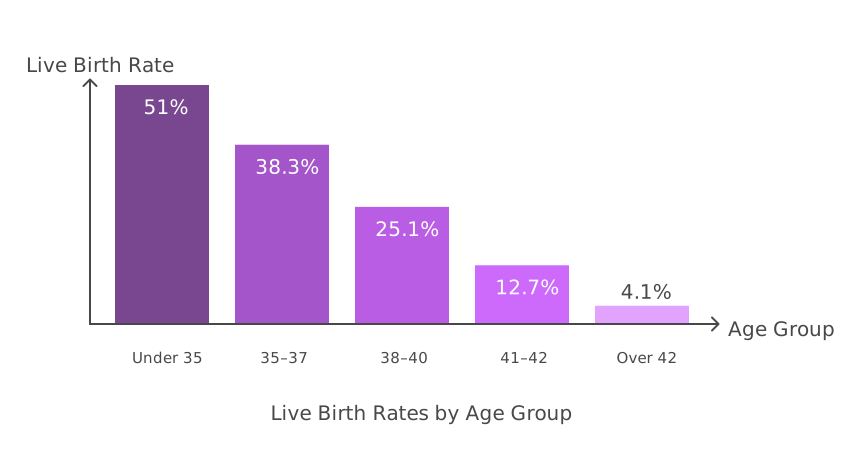
Among healthy couples under 35, the chance of conceiving per menstrual cycle hovers between 20-25%, with over 80% achieving pregnancy within a year of trying. However, fertility declines with age: after 35, the per-cycle probability drops below 10%, and by 40, it’s even lower. These statistics reflect the natural limits of reproductive biology and emphasize the importance of timing in family planning.
For women with PCOS, these natural fertility rates are often further diminished due to irregular or absent ovulation. Early diagnosis and proactive treatment can tilt the odds back in their favor, making awareness of these patterns critical. This knowledge equips couples with realistic expectations and a roadmap for seeking help when needed.
Influential Factors
Age is the most prominent fertility factor, but it’s far from the only one. Lifestyle choices-smoking, excessive alcohol consumption, and chronic stress-can impair reproductive health in both men and women. Environmental exposures, like pesticides or endocrine-disrupting chemicals, may also play a role. In the context of PCOS, insulin resistance is a key player, exacerbating hormonal imbalances that suppress ovulation and complicate conception efforts.
Obesity, which affects up to 80% of women with PCOS, amplifies these challenges by altering hormone levels and increasing inflammation. Conversely, addressing modifiable factors-through weight management, smoking cessation, or stress reduction-can significantly boost fertility prospects. Couples are encouraged to adopt healthier habits as a foundational step in their reproductive journey.
Causes of Infertility
Female Factors
Female infertility encompasses a range of issues, with ovulatory disorders topping the list-PCOS being the most common due to its hallmark hyperandrogenism (elevated male hormones) and insulin resistance. A detailed exploration in Frontiers in Endocrinology reveals how genetic and immunological factors fuel PCOS, cementing its status as a prime infertility driver (Frontiers in Endocrinology). Other culprits include tubal blockages from pelvic infections or endometriosis, uterine abnormalities like fibroids or polyps, and cervical factors that impede sperm passage. Collectively, these account for 30-40% of all infertility cases.
In PCOS, high androgen levels disrupt follicle development, often halting ovulation entirely. Endometriosis, affecting up to 10% of women, can cause pelvic scarring or adhesions, further obstructing conception. Pinpointing these factors through thorough medical evaluation is essential for crafting effective treatment plans tailored to each woman’s needs.
Male Factors
Male infertility contributes to 30% of cases and often stems from issues like low sperm count (oligospermia), poor sperm motility, or abnormal morphology. Causes range from varicoceles (enlarged scrotal veins) to genetic conditions like Klinefelter syndrome, where an extra X chromosome disrupts testicular function. Lifestyle factors-obesity, smoking, or excessive heat exposure-can also degrade sperm quality.
Varicoceles, found in about 15% of men, elevate scrotal temperature, impairing sperm production and function. Simple interventions, like weight loss or quitting smoking, can sometimes reverse these effects. Because infertility is a shared challenge, assessing and optimizing both partners’ health is a critical step toward success.
Unexplained Infertility
In 10-20% of infertility cases, no clear cause emerges despite exhaustive testing-a category dubbed “unexplained infertility.” Subtle, undetectable issues, such as poor egg-sperm interaction or minor endometrial defects, might be at play. Fortunately, treatments like in vitro fertilization (IVF) often succeed by circumventing these hidden barriers.
Unexplained infertility can feel like a dead end, leaving couples grappling with uncertainty. Yet, advances in reproductive medicine offer practical solutions, with many achieving pregnancy through empirical approaches like ovulation induction or ART. Emotional resilience, supported by counseling, becomes vital in navigating this ambiguity.
Diagnostic Evaluation
Female Assessments
Evaluating female fertility starts with a detailed history and physical exam, focusing on menstrual regularity, hormonal symptoms, and past reproductive health. Blood tests-measuring follicle-stimulating hormone (FSH), luteinizing hormone (LH), and anti-Müllerian hormone (AMH)-assess ovarian reserve, while transvaginal ultrasounds check for ovarian cysts or uterine anomalies. Hysterosalpingography (HSG) confirms tubal patency, and laparoscopy may be used to diagnose endometriosis or pelvic adhesions.
In PCOS, ultrasounds often reveal a “string of pearls” pattern of ovarian cysts, paired with lab results showing elevated androgens or insulin levels. These diagnostics form the backbone of a treatment strategy, ensuring interventions are precise and effective. Early and accurate assessment can dramatically improve fertility prospects.
Male Assessments
Male fertility hinges on semen analysis, which evaluates sperm count, motility, and morphology against World Health Organization benchmarks. Hormonal assays (testosterone, FSH) and scrotal ultrasounds detect underlying issues like varicoceles or testicular abnormalities. For complex cases, advanced tests like sperm DNA fragmentation analysis offer deeper insights.
Low sperm count affects about 1 in 20 men, but many cases improve with medical or lifestyle adjustments. A thorough evaluation ensures no stone is left unturned, addressing both partners’ contributions to infertility. This comprehensive approach maximizes the chances of a successful outcome.
Management and Treatment
Lifestyle Changes
Lifestyle modifications lay the groundwork for fertility improvement. For women with PCOS, losing just 5-10% of body weight can restore ovulation in up to 70% of cases by reducing insulin resistance and androgen levels. Both partners benefit from quitting smoking, cutting alcohol, and managing stress-habits that enhance gamete quality and reproductive health. Inositols, especially the combination of Myo- and D-chiro-inositol, further support insulin sensitivity and ovulatory function.
Regular physical activity and a nutrient-rich diet can counteract PCOS-related insulin resistance, promoting menstrual regularity. Mindfulness practices, like yoga or meditation, also bolster reproductive wellness by lowering cortisol levels. These accessible changes empower couples to actively shape their fertility journey.
Medications
Pharmacological options target specific infertility causes. For PCOS, ovulation induction agents like letrozole outperform clomiphene, boasting higher live birth rates (27% vs. 19% per cycle). Metformin tackles insulin resistance, while supplements like inositol offer a natural boost-products like Synevit®’s Fertilimin delivers myo-inositol and D-chiro inositol to enhance fertility (Fertilimin).
Letrozole is now a first-line choice in 60% of PCOS ovulation induction cases, thanks to its efficacy and safety profile. Inositol supplements, taken daily at recommended doses, can regulate cycles within 3-6 months, offering a low-risk option. These treatments provide hope and tangible results for many women.

Assisted Reproduction
When simpler measures fall short, assisted reproductive technologies (ART) step in. Intrauterine insemination (IUI) suits mild male factor infertility or cervical issues, while IVF addresses severe cases like tubal factor or advanced PCOS. IVF delivers ~40% live birth rates per cycle for women under 35, though risks include multiple pregnancies and ovarian hyperstimulation syndrome (OHSS). Tailored protocols optimize safety and success.
IVF paired with intracytoplasmic sperm injection (ICSI) tackles severe male infertility, while preimplantation genetic testing refines embryo selection. A study in Reproductive Biology and Endocrinology highlights how inositol supplementation enhances oocyte quality in IVF, offering a fertility edge for PCOS patients (Reproductive Biology and Endocrinology). Couples should weigh these options with specialists to align treatment with their goals.
The Role of Inositols in PCOS Fertility
Inositols-specifically Myo-inositol (MI) and D-chiro-inositol (DCI), both stereoisomers of C₆H₁₂O₆-are emerging as game-changers in managing PCOS-related infertility. These sugar alcohols regulate insulin signaling, modulate hormonal balance, and enhance ovarian function. Further research in Gynecological Endocrinology clarifies the distinct roles of MI versus DCI, refining their application in PCOS treatment (Gynecological Endocrinology).
The potency and synergy of inositols depend on their ratio and complementary nutrients. D-chiro-inositol, though less abundant in the body, is far more potent-and cost-effective-than Myo-inositol, requiring lower doses for impact. It also pairs synergistically with melatonin, Coenzyme Q10 (CoQ10), vitamin E, and folate to bolster uterine and ovarian health, amplifying fertility benefits. Here’s how these components contribute:
- Inositol isomers (Myo & D-chiro): Regulate hormones, improve insulin sensitivity, and support reproductive health, particularly beneficial for those with PCOS.
- Vitamin E: Acts as an antioxidant, stabilizes cell membranes, and enhances immune function.
- Folic Acid: Crucial for fetal development, its deficiency is linked to neural tube defects.
- Melatonin & CoQ10: Provide antioxidant protection, support mitochondrial energy production, and promote reproductive system vitality.
Together, these nutrients create a powerhouse effect for PCOS patients, protecting cells, boosting energy, and restoring hormonal equilibrium. A 2020 study found that combining Myo-inositol with melatonin significantly improved oocyte quality in PCOS women undergoing IVF, yielding 48.2% mature oocytes compared to 35.0% in controls (Gynecological Endocrinology). Another analysis underscored the importance of the MI-to-DCI ratio for optimal therapeutic outcomes (Gynecological Endocrinology).
Prognosis and Outcomes
Success Rates
Fertility treatment success hinges on multiple variables: age, underlying cause, and intervention type. For PCOS patients, optimized protocols can achieve IVF outcomes rivaling those of non-PCOS peers-around 40% live births per cycle for women under 35. After 35, success rates decline sharply, dropping below 10% by age 40. Early intervention remains the key to maximizing chances.
Inositol supplementation can further tip the scales, enhancing ovulatory response and embryo quality. Regular monitoring and adjustments ensure treatments align with each couple’s unique profile. Persistence, paired with expert care, often yields positive results.
Special Situations
Secondary infertility (difficulty conceiving after a prior pregnancy) or diminished ovarian reserve presents distinct challenges. Options like donor eggs or embryos may come into play, alongside advanced ART techniques. The emotional toll of these scenarios underscores the need for robust psychological support.
For PCOS patients, recurrent implantation failures might signal deeper issues, prompting specialized diagnostics like endometrial receptivity testing. Support groups and counseling can ease the burden, while tailored care plans address these complexities head-on.
When to Seek Help
Guidelines recommend seeking a fertility evaluation after 12 months of unsuccessful trying for couples under 35, or after 6 months for those over 35. Immediate consultation is warranted for known risks-irregular cycles, PCOS diagnosis, or male factor concerns. Acting promptly can uncover treatable issues early.
Reproductive endocrinologists bring specialized expertise to PCOS and infertility cases, guiding couples through diagnostics and treatment with precision. Proactive steps can shorten the path to parenthood, offering clarity and direction when time is of the essence.
Future Directions
The fertility landscape is evolving rapidly. Innovations like in vitro oocyte maturation (IVM) and noninvasive embryo selection promise to streamline ART and boost success rates. Inositol research continues to affirm its role as a first-line PCOS therapy, with ongoing studies exploring optimal formulations and ratios, as detailed in a comprehensive review in Nutrients (Nutrients). Emerging treatments, such as personalized inositol blends, could further elevate efficacy.
Genetic profiling and biomarker discovery may soon enable precision medicine approaches, tailoring therapies to individual needs. These advancements signal a hopeful future, where fertility care becomes more effective and accessible for couples worldwide.
Key Takeaways
- Infertility affects one in six couples, with PCOS a leading contributor.
- Lifestyle changes, medications, and ART offer effective solutions.
- Myo- to D-chiro-inositol is a proven aid for PCOS fertility.
- Inositols synergize with melatonin, CoQ10, vitamin E, and folate for enhanced outcomes.
- Early diagnosis and personalized care are critical for success.
Frequently Asked Questions
- What causes fertility issues?
Ovulatory disorders (e.g., PCOS), tubal blockages, uterine abnormalities, or male factors like low sperm count are common culprits. Lifestyle and environmental factors also contribute.
- Are fertility issues genetic?
Some, like Klinefelter syndrome, have genetic roots, but most arise from acquired conditions or a mix of influences.
- How common are fertility issues?
Infertility impacts one in six couples globally, with rates rising due to delayed childbearing and conditions like PCOS.
- Can fertility issues be fixed?
Many are treatable with lifestyle adjustments, medications, or ART, depending on the cause and age.
- How to prevent fertility issues?
Maintain a healthy weight, avoid smoking and excessive alcohol, manage stress, and address medical conditions early.
References
1. Infertility: What is infertility? Causes, symptoms, and treatment Cleveland Clinic
2. Effects of myo-inositol plus melatonin versus myo-inositol alone on number of mature oocytes in women with polycystic ovary syndrome undergoing in vitro fertilization: a randomized clinical trial Gynecological Endocrinology
3. A brief insight into the etiology, genetics, and immunology of polycystic ovarian syndrome (PCOS) Frontiers in Endocrinology
4. Inositols in fertility: a review Nutrients
5. Effects of inositol on oocyte quality in IVF Reproductive Biology and Endocrinology
6. Myo-inositol versus D-chiro-inositol in PCOS treatment: myth or reality? Gynecological Endocrinology