Rochester, New York, 1/28/26 - Hormone imbalances linked to irregular menstrual cycles are common, yet often overlooked in women’s reproductive health. Several hormones, including reproductive and thyroid hormones, work together to keep the menstrual cycle on track. Even subtle shifts in these hormones may result in irregular, heavy, light, absent, or painful periods. While fluctuations naturally occur during puberty, postpartum stages, or perimenopause, persistent irregularity often signals an underlying issue that deserves closer attention.
A wide range of factors may contribute to these disruptions, from lifestyle stressors to medical conditions such as polycystic ovary syndrome (PCOS) or thyroid disorders. Identifying symptoms early and addressing root causes may help improve cycle regularity, reduce discomfort, and support overall health. For additional context, irregular periods can be caused by many factors, including changes in hormone levels.
Hormone Imbalance
Hormone imbalance occurs when levels of key reproductive or regulatory hormones shift outside optimal ranges, disrupting the finely tuned menstrual cycle. Estrogen and progesterone guide the main phases of the cycle, while FSH (Follicle-Stimulating Hormone) and LH (Luteinizing Hormone) support follicle development and ovulation. Imbalances in these hormones, as well as thyroid hormones, may interfere with ovulation and lead to unpredictable bleeding patterns.
Conditions such as PCOS often involve elevated androgens alongside insulin resistance, while thyroid dysfunction alters metabolic and reproductive signaling. Chronic stress may raise cortisol levels, further suppressing reproductive hormones. Correcting hormone imbalances can support a more regular menstrual cycle.

Irregular Menstrual Cycle
An irregular menstrual cycle generally refers to periods that fall outside the typical 21- to 35-day range, vary significantly from month to month, or involve unusual bleeding patterns. Cycles that are too frequent, too infrequent, absent, or excessively heavy are often linked to hormonal disturbances.
While irregularity is common during certain life stages, ongoing patterns during reproductive years may warrant evaluation. Research has linked irregular menstruation with broader health considerations, as discussed in the impact of irregular menstruation on health.
How a Normal Menstrual Cycle Works
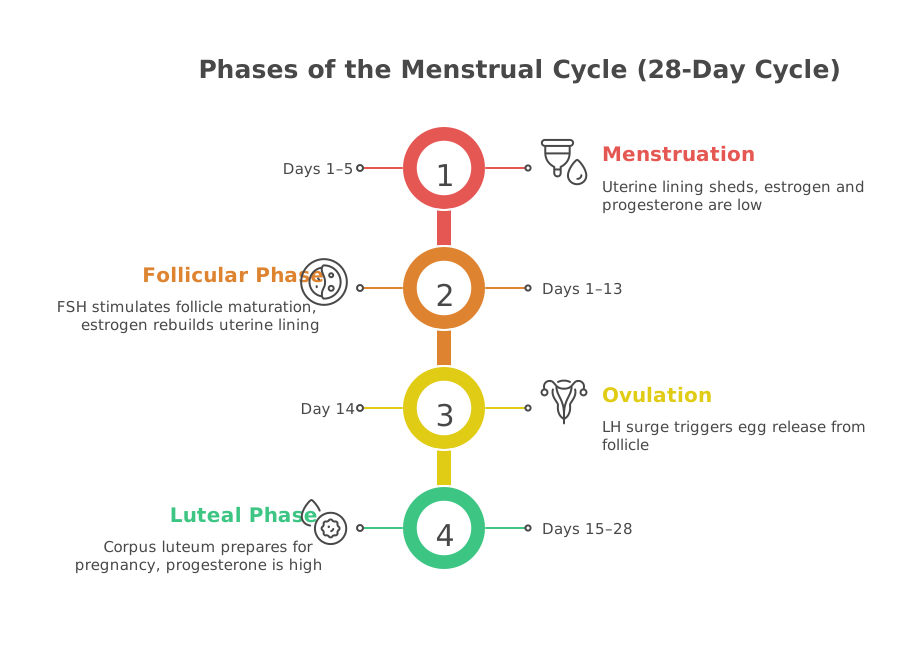
A typical menstrual cycle averages 28 days, though healthy cycles may range from 21 to 35 days. This process relies on constant signaling between the brain and the ovaries. Early in the cycle, FSH stimulates follicle growth, followed by rising estrogen levels. A mid-cycle LH surge triggers ovulation, after which progesterone from the corpus luteum supports the uterine lining.
If pregnancy does not occur, hormone levels fall and menstruation begins. Consistent ovulation is central to cycle regularity, and disruption at any point may result in irregular or anovulatory cycles.
Common Symptoms of Hormone Imbalance Related to Irregular Cycles
Symptoms often extend beyond menstrual cycle changes and may include light to very heavy bleeding, spotting between periods, severe cramps, missed periods, or infrequent cycles. Other signs can include acne, unwanted hair growth, hair thinning, fatigue, mood changes, unexplained weight shifts, or hot flashes.
These symptoms may overlap across conditions. For example, PCOS commonly presents with irregular cycles alongside androgen-related changes. Tracking symptoms alongside cycle patterns may provide useful insight.
Main Causes of Hormone-Related Irregularity
Perimenopause often brings fluctuating hormone levels and inconsistent ovulation. Chronic stress may elevate cortisol, suppressing reproductive signaling. PCOS remains a leading cause of irregular cycles, characterized by insulin resistance, elevated androgens, and disrupted ovulation.
Thyroid disorders may affect cycle regularity through altered metabolism and hormone clearance. Other contributors include elevated prolactin, hypothalamic amenorrhea linked to chronic energy deficiency, or structural conditions such as fibroids.
Diagnostic Approach
Evaluation typically begins with a detailed menstrual history, symptom review, and physical examination. Blood testing may assess thyroid function, reproductive hormones, prolactin, and metabolic markers to identify imbalances.
Pelvic ultrasound may be used to evaluate ovarian morphology or identify fibroids and polyps. Findings guide personalized treatment strategies.
Treatment Options
Treatment focuses on addressing underlying causes and is often tailored to the individual. Hormonal contraceptives may help regulate bleeding patterns, while thyroid hormone replacement supports normal function when a deficiency is present. In PCOS, medications such as metformin or anti-androgens may be used to improve insulin sensitivity and support ovulation.
Alongside medical management, targeted nutritional support may play a complementary role in addressing hormone balance, menstrual regularity, and nutrient demands associated with irregular cycles.
Nutritional support may complement overall care when used appropriately. For instance, SYNEVIT®’s Ferrofect provides chelated iron to support healthy hemoglobin levels, which may be relevant in cases of heavy menstrual bleeding. SYNEVIT®’s Synfoline combines iodine and methylfolate to support normal thyroid function and cellular processes, while SYNEVIT®’s Fertilimin is designed to support cycle regularity and address androgen-related features commonly associated with PCOS. More complex or structural causes may require medical or procedural intervention.
Lifestyle and Self-Care Strategies
Balanced nutrition, moderate physical activity, and healthy weight maintenance may support hormonal balance. Stress-reduction practices such as mindfulness, adequate sleep, and recovery time may reduce cortisol-related disruption.
Avoiding extreme dieting or over-exercising may help prevent hypothalamic suppression. Ongoing medical follow-up is important when managing symptoms or using supplements.
Key Takeaways
- Hormone imbalance is a common driver of irregular menstrual cycles.
- PCOS, thyroid disorders, stress, and perimenopause are frequent contributors.
- Symptoms range from irregular bleeding to fatigue, acne, and mood changes.
- Diagnosis involves cycle tracking, hormone testing, and imaging when needed.
- Targeted treatment and lifestyle adjustments may support cycle regularity.
Frequently Asked Questions
What defines an irregular menstrual cycle?
Cycles consistently shorter than 21 days, longer than 35 days, highly variable, or associated with abnormal bleeding are considered irregular.
How does hormone imbalance affect periods?
Hormone shifts may disrupt ovulation and endometrial shedding, leading to unpredictable timing and flow.
Is PCOS a common cause?
Yes. PCOS frequently involves hormonal and metabolic changes that interfere with ovulation.
When should medical advice be sought?
Persistent irregularity, very heavy bleeding, severe pain, or sudden changes should be evaluated.