Rochester, New York, 6/09/25 - Irregular menstrual cycles affect many women, often causing concern about their reproductive health. While occasional irregularities are normal during life stages like puberty or perimenopause, persistent issues could indicate underlying conditions requiring medical attention. This guide explores the causes of irregular periods, diagnostic approaches, and treatment options, empowering women to manage their menstrual health effectively.
Understanding Menstrual Cycles
A menstrual cycle is the monthly process preparing a woman’s body for pregnancy, measured from the first day of one period to the next. Typically lasting 28 days, cycles can range from 21 to 35 days. Irregular menstrual cycles deviate from this range or vary significantly in flow or duration. Symptoms include periods occurring less than 21 days or more than 35 days apart, missing three or more periods, heavy or light bleeding, or spotting between cycles. Understanding these patterns is crucial for identifying potential health issues.
Causes of Irregular Menstrual Cycles
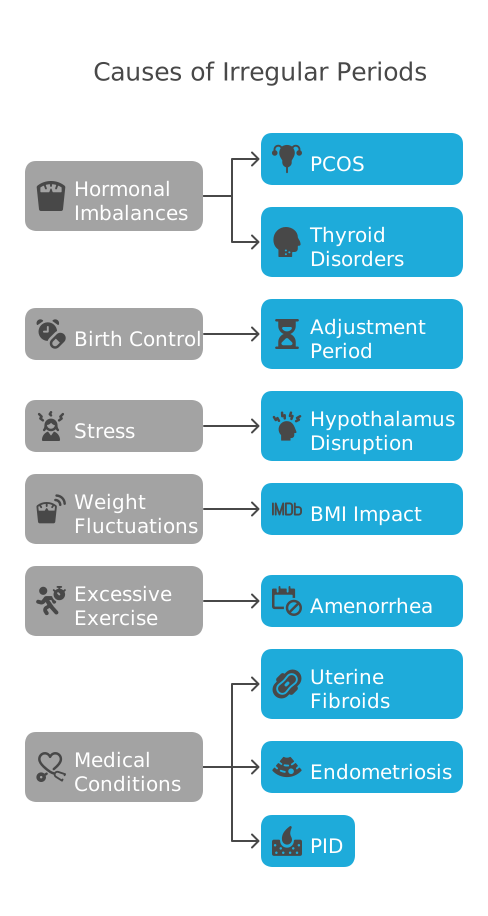
Irregular periods can result from various factors, including hormonal, lifestyle, and medical conditions. Recognizing these causes helps in managing and treating irregularities effectively.
- Hormonal Imbalances: Conditions like polycystic ovary syndrome (PCOS) or thyroid disorders often disrupt menstrual cycles. PCOS, affecting 5-10% of women, involves elevated androgen levels, leading to infrequent periods, acne, and weight gain. Thyroid disorders, like hypothyroidism, may cause heavy periods, while hyperthyroidism could result in lighter or absent periods.
- Irregular Periods After Birth Control: Starting or stopping hormonal birth control can lead to irregular periods after birth control use. It may take several months for the body to adjust after initiating or discontinuing birth control pills, as they artificially regulate cycles. This adjustment period could cause irregular periods after stopping birth control, with cycles gradually returning to their natural rhythm.
- Stress and Emotional Health: High stress levels can disrupt the hypothalamus, affecting hormones that regulate menstruation. This could lead to delayed or missed periods. Techniques like yoga or meditation may help manage stress-related irregular periods and stress, restoring cycle regularity.
- Weight Fluctuations: Significant weight changes, whether gain or loss, can alter hormone production. A 2025 study found that both high and low body mass index (BMI) are associated with longer, irregular cycles, emphasizing the importance of maintaining a healthy weight for menstrual health.
- Excessive Exercise: Intense exercise, particularly with low body fat, may lead to amenorrhea, the absence of periods. Balancing exercise with adequate nutrition is essential to prevent disruptions in the menstrual cycle.
- Medical Conditions: Conditions like uterine fibroids, endometriosis, or pelvic inflammatory disease (PID) can cause irregular bleeding. For instance, endometriosis, where uterine tissue grows outside the uterus, often leads to painful, irregular periods. Early diagnosis is key to managing these conditions.
Diagnosis
Diagnosing irregular periods involves a thorough medical history, physical examination, and targeted tests. Doctors may inquire about cycle frequency, duration, and associated symptoms. Blood tests can assess hormone levels, such as estrogen or thyroid-stimulating hormone, while ultrasounds detect structural issues like fibroids or cysts. In some cases, an endometrial biopsy may be performed to rule out abnormal cells. Consulting a healthcare provider is crucial for persistent irregularities.
Treatment Options
Treatment for irregular periods varies based on the underlying cause, ranging from lifestyle adjustments to medical interventions.
- Lifestyle Changes: Maintaining a healthy weight, managing stress, and ensuring proper nutrition can significantly improve menstrual regularity. Adequate sleep and moderate exercise also support hormonal balance.
- Hormonal Therapies: Hormonal contraceptives, such as pills or IUDs, can regulate cycles by stabilizing hormone levels. These are often prescribed for conditions like PCOS or irregular bleeding.
- Medications for Specific Conditions: For PCOS, medications like metformin may improve insulin sensitivity and regulate cycles. Thyroid disorders may require hormone replacement therapy to normalize periods.
- Supplements: Supplements can support menstrual health. Inositol, found in Fertilimin, may help manage PCOS symptoms by improving hormonal balance. Folate and iodine, essential for reproductive health, are included in Synfoline, supporting overall cycle health.

Complications and Risks
Irregular periods may indicate underlying health issues with potential complications. A 2023 study highlights associations with metabolic syndrome, coronary heart disease, and type 2 diabetes. Heavy bleeding could lead to anemia, while low estrogen levels might increase osteoporosis risk. Psychological distress and fertility challenges are also concerns, particularly with conditions like PCOS, a leading cause of infertility. However, proper management can mitigate these risks.
Monitoring and Management
Tracking menstrual cycles using apps or diaries helps identify patterns and irregularities. Record the start and end dates, flow intensity, and symptoms like cramps or spotting. Period tracking apps can predict ovulation and provide reminders for medical consultations. Seek medical advice if you miss three or more periods, have fewer than nine periods annually, or experience unusual bleeding.
Key Takeaways
- Irregular menstrual cycles may result from hormonal imbalances, stress, weight changes, or medical conditions like PCOS.
- Persistent irregularities should prompt medical evaluation to identify underlying causes.
- Treatment options include lifestyle changes, hormonal therapies, and supplements like inositol or folate.
- Tracking cycles with apps or diaries aids in early detection and management.
- Irregular periods may increase risks of health issues, but timely intervention can reduce complications.
Frequently Asked Questions
- When should I see a doctor about irregular periods?
Consult a doctor if you miss three or more periods, have fewer than nine periods a year, or experience bleeding between periods or after menopause. Early evaluation can identify underlying issues.
- Can stress cause irregular periods?
Yes, high stress levels can disrupt hormone production, leading to irregular menstrual cycles. Stress management techniques may help restore regularity.
- Are irregular periods a sign of infertility?
Not always, but conditions like PCOS, which cause irregular periods, may affect fertility. Evaluation is recommended if conception is a goal.
- Can supplements help with irregular periods?
Supplements like inositol, found in Fertilimin, may support hormonal balance in PCOS, while folate in Synfoline aids reproductive health.