Rochester, New York, 7/14/25 - In recent years, the consumption of junk food has become a growing concern, with studies showing a significant increase in its intake among both children and adults. This trend has raised questions about the impact of junk food on health and whether it is possible to include it in a balanced diet. In this blog post, we will explore the truth about junk food, its effects on the body, and how to make healthier choices.
What is junk food?
Junk food refers to items that are high in sugar, fat, and salt but low in essential nutrients like fiber, vitamins, and minerals. Common examples include cakes, cookies, chips, fast food such as burgers, fries, and pizza, sugary drinks like soda and energy drinks, processed meats like hot dogs and sausages, and even some products marketed as “healthy,” like sweetened muesli bars, fruit juices with added sugar, and low-fat yogurts with high sugar content. These foods are often calorie-dense but nutrient-poor, meaning they provide a lot of energy but little nutritional value.
According to a study on trends in junk food consumption among US children and adults from 2001 to 2018, the intake of these foods has been on the rise, contributing to various health issues. While it is possible to include a small amount of junk food in a healthy diet, it is important to be mindful of portion sizes and frequency. Most people tend to consume too much junk food too often, which can lead to negative health consequences. Planning meals, choosing whole foods, and reading labels can help reduce intake.
Can I include a small amount of junk food in a healthy diet?
Yes, small amounts of junk food can be part of a balanced diet if consumed mindfully. The key is moderation-limiting portion sizes and frequency to avoid tipping the scales toward unhealthy eating patterns. For example, enjoying a small serving of fries or a piece of chocolate occasionally won’t derail a diet rich in whole foods.
Why is junk food so appealing?
Junk food is designed to be highly palatable, triggering the brain’s reward system by releasing dopamine, a chemical that makes us feel good. This can lead to overeating and a cycle of cravings, similar to addiction. The combination of sugar, fat, and salt in junk food creates a sensory experience that is hard to resist, making it a popular choice for many.
Additionally, junk food is often more accessible and convenient than healthier options, making it an easy choice for busy individuals. The marketing and advertising of junk food also play a significant role in its appeal, with companies using persuasive tactics to target consumers, especially children and teens. However, the short-term pleasure of consuming junk food can come at a cost to long-term health.

Does eating junk food cause health complications?
Yes, consuming junk food can lead to a range of health complications, both in the short term and long term. In the short term, junk food may cause fatigue, stress, mood swings, and trouble concentrating due to its high sugar and fat content, which can lead to blood sugar spikes and crashes. Over time, it can contribute to serious health problems such as obesity, type 2 diabetes, heart disease, high blood pressure, depression, tooth decay, and certain cancers.
Fast food, in particular, which is high in calories, carbs, trans fats, and sodium, affects nearly every system in the body. It can cause blood sugar spikes, increase bad cholesterol (LDL), and raise the risk of diabetes. It may also worsen respiratory conditions like asthma and cause shortness of breath due to weight gain. Some fast foods contain chemicals like phthalates that may disrupt hormones, affecting the reproductive system. Furthermore, junk food is linked to skin issues like acne, dental problems, and weakened bone health due to excess weight.
Mental health is also impacted, with frequent consumption of junk food being linked to depression, especially in teens. A study on junk food intake among adults in the United States highlights the widespread nature of this issue and its potential consequences. For example, remains the same study found that adults who consume fast food frequently are more likely to experience symptoms of depression.
Short-term effects of junk foods
The short-term effects of junk food include immediate impacts like energy crashes after sugar highs, increased fatigue, and difficulty focusing. These occur because the body struggles to process the rapid influx of empty calories and lacks the nutrients needed for sustained energy.
Long-term effects of junk foods
Long-term consumption can lead to chronic conditions such as obesity, heart disease, and diabetes. The cumulative effect of nutrient deficiencies and excess calories takes a toll, increasing the risk of life-altering health issues over time.
How to prevent obesity
Preventing obesity involves making conscious choices about diet and lifestyle. One key step is to limit the intake of junk food and focus on whole, nutrient-dense foods. This includes fruits, vegetables, lean proteins, whole grains, and healthy fats. Regular physical activity is also crucial in maintaining a healthy weight. For children, it is especially important to establish healthy eating habits early on. Junk food marketing often targets children, making it essential for parents to educate their kids about the importance of balanced nutrition.
Overweight and obesity are significant risk factors for various health conditions, including heart disease, diabetes, and certain cancers. By making small, sustainable changes to diet and lifestyle, individuals can reduce their risk and improve overall health. For instance, replacing sugary drinks with water, choosing grilled over fried options, and incorporating more fruits and vegetables into meals can make a big difference. Incorporating supplements like those offered by SYNEVIT® may also support your health goals, especially when combined with a balanced diet and regular exercise.
Junk food and children
Children are particularly vulnerable to junk food’s allure due to targeted marketing and their developing taste preferences. Parents can counteract this by encouraging family meals, involving kids in cooking, and modeling healthy eating habits to build a foundation for lifelong wellness.
Overweight and obesity
Being overweight or obese increases the likelihood of developing chronic diseases. Addressing this requires a proactive approach to reducing junk food intake and promoting physical activity, tailored to individual and family needs.
How can I reduce the amount of junk food I eat?
Reducing junk food intake requires planning and mindfulness. Start by identifying triggers that lead to junk food consumption, such as stress, boredom, or convenience. Once you understand your patterns, you can develop strategies to address them. For example, if stress leads to emotional eating, finding alternative coping mechanisms like exercise or meditation can help.
Meal planning and preparation can ensure healthy options are readily available, reducing the temptation to reach for junk food. Stocking the pantry with nutritious snacks like nuts, fruits, and whole-grain crackers can also help. Additionally, reading food labels and being aware of misleading marketing claims can empower you to make better choices. For instance, products labeled as “low-fat” may still be high in sugar, so it’s important to check the nutritional panel.
It’s also important to allow for occasional indulgences in moderation. Completely depriving yourself of junk food may lead to cravings and overeating. Instead, aim for balance and focus on overall dietary patterns rather than individual foods. For example, if you enjoy pizza, opt for a homemade version with whole-grain crust and plenty of vegetables.
Is it more expensive to eat healthily?
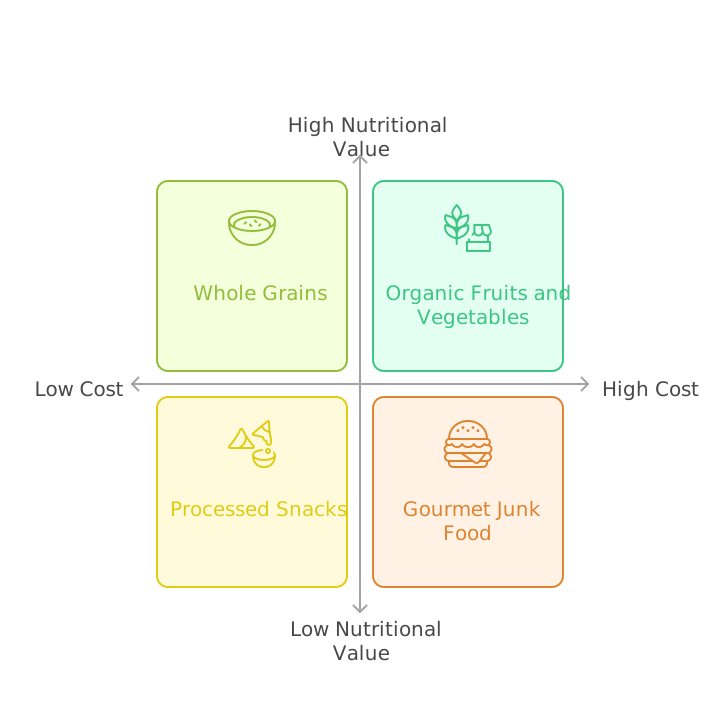
Contrary to popular belief, healthy eating does not have to be expensive. Buying seasonal produce, cooking at home, and planning meals ahead can save both money and time. Bulk purchasing of staples like whole grains, beans, and frozen vegetables can also be cost-effective. For example, a bag of brown rice or a can of beans can provide multiple servings at a low cost.
While some healthy foods may have a higher upfront cost, they often provide better nutritional value and can lead to long-term savings on healthcare costs. Investing in your health through diet is a worthwhile endeavor that can pay off in the form of improved well-being and reduced medical expenses. Many healthy foods are less processed and have longer shelf lives, reducing waste and saving money in the long run.
Key Takeaways
- Junk food is high in sugar, fat, and salt but low in essential nutrients, leading to various health issues.
- Consuming junk food can cause short-term effects like fatigue and mood swings, and long-term effects like obesity and heart disease.
- Preventing obesity involves limiting junk food intake, focusing on whole foods, and engaging in regular physical activity.
- Reducing junk food consumption requires planning, mindfulness, and making healthier choices accessible.
- Healthy eating can be affordable with strategies like buying seasonal produce and cooking at home.
Frequently Asked Questions
- Can I include a small amount of junk food in a healthy diet?
Yes, small amounts of junk food can fit into a balanced diet. However, it is important to be mindful of portion sizes and frequency to avoid negative health consequences.
- Why is junk food so appealing?
Junk food is designed to be highly palatable, triggering the brain’s reward system and creating a cycle of cravings. Its convenience and accessibility also contribute to its appeal.
- Is it more expensive to eat healthily?
No, healthy eating can be affordable with strategies like buying seasonal produce, cooking at home, and planning meals ahead. Investing in healthy foods can also lead to long-term savings on healthcare costs.