Rochester, New York, 8/25/25 - In an era where consumers increasingly seek transparency in what they consume and apply, the debate between natural ingredients and synthetic alternatives continues to gain traction. Drawing from comprehensive analyses of top-ranking articles, this discussion reveals that while natural products often evoke notions of purity and wholesomeness, synthetic options provide consistency and accessibility that could enhance everyday use. By examining the nuances of synthetic vs natural, including organic vitamins, this guide empowers readers to make balanced decisions grounded in science and sustainability.
The short answer: Neither is automatically better. Natural ingredients come from plants, minerals, or animals with minimal processing, while synthetic ingredients are made in a lab and can offer more consistent dosing. The better choice depends on the specific ingredient, its quality, and your health needs.
What Does "Natural" Really Mean?
Natural ingredients typically refer to substances derived from plants, minerals, or animals with minimal processing to preserve their inherent properties. This category includes plant-based extracts like aloe vera or chamomile, which have been utilized for centuries in various applications. However, the term lacks stringent regulatory definitions, leading to potential misinterpretations where products might claim natural status despite containing additives.
Sourcing natural ingredients involves harvesting from diverse ecosystems, which could ensure authenticity but also raises concerns about variability due to environmental factors. For instance, the potency of herbal extracts might fluctuate based on soil quality or climate conditions. Consumers should recognize that while natural ingredients often align with preferences for wholesomeness, they do not inherently guarantee superiority over synthetic counterparts.
In the realm of organic vitamins, natural sources such as fruits and vegetables provide compounds like vitamin C from citrus, emphasizing a connection to nature. Yet, this approach could involve challenges in standardization, where batch-to-batch differences affect efficacy. Understanding these aspects helps in appreciating the appeal of natural products while acknowledging their complexities.
What Are Synthetic Products?
Synthetic products emerge from chemical processes designed in laboratories, often replicating or enhancing natural compounds for improved stability and performance. These include lab-created vitamins, such as ascorbic acid mimicking natural vitamin C, which ensures consistent dosing in supplements. The synthetic vs natural debate highlights how these engineered options could offer reliability where natural variability poses issues.
Engineered compounds in synthetics allow for precise formulations, such as in pharmaceuticals where active ingredients target specific health needs. This precision could reduce waste and enhance effectiveness, making synthetics a viable choice in industries like nutrition and cosmetics. However, perceptions of synthetics as artificial sometimes overshadow their benefits, despite rigorous testing protocols.
Examples abound in everyday items, from synthetic fibers in clothing to preservatives in food, demonstrating their role in modern life. Brands like Synevit® explore these dynamics, blending insights into how synthetics could complement natural ingredients for optimal results.
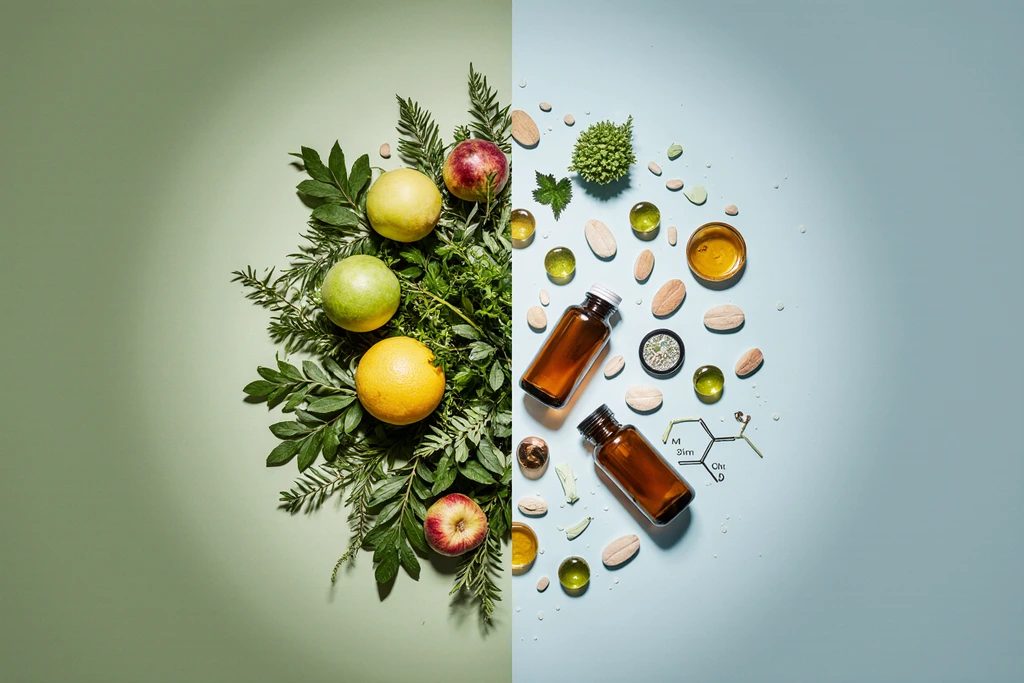
Organic, Natural, and Synthetic - What’s the Difference?
Organic products adhere to strict farming standards avoiding synthetic pesticides and GMOs, certified by bodies like USDA, distinguishing them from broadly defined natural items. Natural ingredients might include minimally processed elements without organic certification, while synthetics are entirely lab-produced. This differentiation is crucial in organic vitamins, where organic sourcing ensures no chemical residues.
Occasionally, natural products incorporate synthetics for preservation, blurring lines and prompting consumers to scrutinize labels. For example, a natural skincare item might use synthetic stabilizers to extend shelf life. Recognizing these overlaps could guide better purchasing decisions, especially when weighing synthetic vs natural options.
The integration of both worlds, as seen in hybrid products, reflects evolving consumer demands for efficacy and ethics. Studies indicate that combining elements could yield superior outcomes, enhancing the narrative around these categories.
Benefits and Limitations of Natural Products
Natural products boast benefits like perceived purity and alignment with holistic health approaches, often containing synergistic compounds that enhance bioavailability. In organic vitamins, natural sources could provide additional phytonutrients absent in isolates. This holistic aspect appeals to those seeking comprehensive wellness support.
However, limitations include potential allergens and inconsistencies in potency, which could affect reliability. Environmental sourcing pressures might also lead to overharvesting, impacting sustainability. Balancing these pros and cons requires informed choices, considering individual health needs.
Emerging research, such as a review on natural complex substances, underscores the supramolecular interactions in natural ingredients that could offer unique advantages over isolated synthetics. A study published on PubMed highlights how these interactions in natural systems contribute to effects beyond individual components, emphasizing the value of authenticity in formulations.
Benefits and Limitations of Synthetic Products
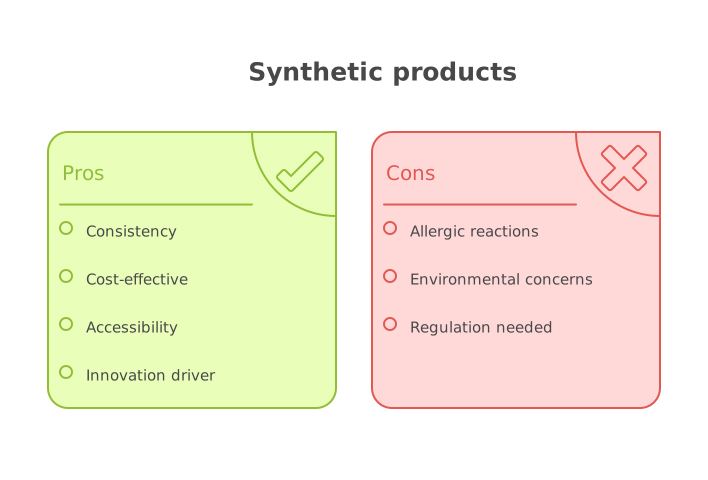
Synthetic products excel in consistency and cost-effectiveness, allowing mass production of uniform quality items like vitamins. This reliability could ensure precise dosing, beneficial for therapeutic applications. In the synthetic vs natural comparison, synthetics often prove more accessible for widespread use.
Drawbacks involve potential for allergic reactions to certain chemicals and environmental concerns from production processes. Yet, advancements in regulation mitigate many risks, making synthetics a safe option when properly vetted. Their role in innovation cannot be understated, driving progress in various fields.
Combinatorial biosynthesis, as discussed in a PubMed article, illustrates how manipulating enzymes could diversify natural product analogs synthetically, bridging gaps between categories. This approach highlights synthetics' potential to refine nature's chemistry for enhanced drug discovery and health benefits.
Are Natural Products Always Safer?
Contrary to popular belief, natural products are not invariably safer, as nature produces potent toxins like those in poison ivy or certain mushrooms. Contamination risks from improper processing could pose health threats. Consumers should approach natural ingredients with the same caution as synthetics.
Safety often depends on context, with regulated synthetics undergoing extensive testing to minimize risks. In organic vitamins, natural forms might interact unpredictably with medications. Evidence suggests that safety profiles vary, urging reliance on scientific validation over labels.
Analytical techniques differentiate true naturals from synthetics, as noted in research on isotopic compositions and chirality, ensuring authenticity and safety in products.
The Environmental Cost of Natural Ingredients
Harvesting natural ingredients could strain ecosystems through deforestation or water overuse, as seen with palm oil production. This impact questions the eco-friendliness of natural products despite their appeal. Sustainable sourcing practices become essential to mitigate these effects.
In contrast, overreliance on naturals might exacerbate biodiversity loss, prompting a reevaluation of consumption patterns. Brands focusing on synergy with nature aim to balance extraction with conservation.
Studies on natural complex substances reveal the need for careful characterization to avoid sophistications that could undermine environmental integrity.
The Environmental Footprint of Synthetic Production
Synthetic manufacturing often involves energy-intensive processes contributing to carbon emissions and pollution. Waste from chemical synthesis could harm waterways if not managed properly. However, innovations in green chemistry seek to reduce these footprints.
Compared to natural harvesting, synthetics might conserve land and resources, offering a lower impact in certain scenarios. The debate underscores the importance of lifecycle assessments in evaluating true environmental costs.
Bioengineering advancements, per combinatorial biosynthesis research, could lead to sustainable synthetics that minimize ecological harm while maximizing benefits.
The Shift Toward Hybrid Formulations
Hybrid formulations combine natural ingredients with synthetics to leverage strengths from both, such as enhanced stability in organic vitamins. This approach could address limitations like shelf life while retaining natural synergies. Consumer trends favor these blends for balanced efficacy.
In industries like supplements, hybrids reflect supplemental synergy, where synthetic enhancements amplify natural effects. Research supports this integration for optimized outcomes.
The rise of biotechnology bridges gaps, creating analogs that mimic nature efficiently, fostering a future of inclusive product development.
Natural vs Synthetic: A Balanced Perspective
A balanced view recognizes that neither natural nor synthetic holds absolute superiority; context determines suitability. In synthetic vs natural discussions, hybrids often emerge as ideal, combining purity with precision. This perspective encourages informed, value-aligned choices.
Transparency in labeling and certifications aids navigation, ensuring consumers access authentic products. Ultimately, progress lies in innovations that harmonize both worlds for sustainable health solutions.
Embracing this duality could transform industries, prioritizing effectiveness, safety, and environmental responsibility over rigid categorizations.
Key Takeaways
- Natural ingredients offer holistic benefits but face challenges in consistency and environmental impact.
- Synthetic products provide reliability and cost-efficiency, though they require careful regulation for safety.
- Organic vitamins highlight distinctions, with organics emphasizing pesticide-free sourcing over vague natural claims.
- Hybrid formulations could blend advantages, enhancing efficacy through synergistic combinations.
- Consumer choices should consider health needs, values, and scientific evidence for balanced decisions.
Frequently Asked Questions
- What distinguishes natural ingredients from synthetic ones?
Natural ingredients derive from plant, mineral, or animal sources with minimal processing, while synthetics are lab-created for consistency. This difference affects potency and application, with naturals offering synergies but potential variability. Consumers should evaluate based on specific needs and product claims.
- Are organic vitamins always better than synthetic alternatives?
Organic vitamins avoid synthetic pesticides, appealing for purity, but synthetics could match efficacy with better stability. The choice depends on individual health goals and preferences. Research suggests both could support wellness when used appropriately.
- How could hybrid products benefit consumers?
Hybrids combine natural synergies with synthetic precision, potentially enhancing bioavailability and shelf life. This approach addresses limitations of pure forms, offering versatile options. Innovations in biotechnology further refine these for sustainable use.
- Does the environmental impact favor natural or synthetic products?
Natural production could strain resources through harvesting, while synthetics involve energy use and pollution. Balanced assessments reveal context-specific impacts, with sustainable practices key in both. Consumers should seek certifications for eco-friendly choices.
- Why should consumers read labels carefully in synthetic vs natural debates?
Labels might mislead with vague terms, hiding synthetics in natural claims. Understanding ingredients ensures informed decisions, avoiding allergens or ineffective products. Certifications provide additional assurance of authenticity and quality.