Rochester, New York, 4/30/25 Over 36,000 food products in the U.S. contain synthetic dyes-petroleum-derived chemicals that make snacks visually irresistible. With Health Secretary Robert F. Kennedy Jr. advocating for a ban on eight of these dyes by 2026, questions about their safety are more relevant than ever. This guide explores the science, health risks, and regulatory shifts surrounding synthetic food dyes, offering clear, actionable insights for consumers. For more details, visit the FDA’s color additive list.
What Are Synthetic Food Dyes?
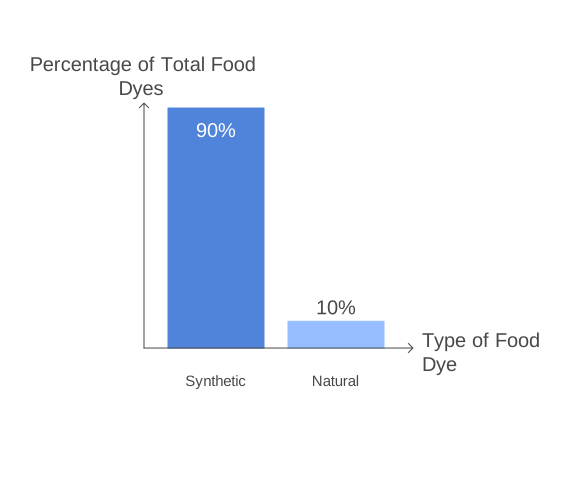
Synthetic food dyes are chemically engineered colorants derived from petroleum or coal tar. These additives, such as Azo dyes including Red No. 40 (Allura Red AC), Yellow No. 5 (Tartrazine), and Blue No. 1 (Brilliant Blue FCF), are valued for their vivid, consistent colors and resistance to fading. Unlike natural dyes extracted from plants or minerals, synthetic dyes offer manufacturers unparalleled stability and cost-effectiveness, making them a cornerstone of modern food production. However, their petroleum-based origins and potential health implications have sparked growing scrutiny among researchers and health-conscious consumers.
Which Foods Contain Synthetic Food Dyes?
Synthetic dyes permeate the U.S. food supply, enhancing the appeal of over 36,000 products. Everyday items like Skittles, M&Ms, Froot Loops, and Mountain Dew feature these vibrant additives. Children face heightened exposure through products such as fruit snacks, popsicles, and even some chewable vitamins, which often rely on dyes to attract young consumers. Packaged baked goods, processed cheeses, and sports drinks also frequently contain synthetic colorants, underscoring their ubiquity and amplifying concerns about cumulative health effects over time.
What Are the Health Risks of Food Dyes?
Scientific research has identified several potential risks associated with synthetic dyes, though conclusions remain debated. Below is a detailed exploration of the primary concerns:
Cancer Risks
Red No. 3 (Erythrosine) has been linked to thyroid tumors in animal studies, leading the FDA to terminate its provisional listing for use in cosmetics and externally applied drugs in 1990, while allowing its use in food and ingested drugs to continue pending further safety evaluations. This decision was based on studies from the 1980s and 1990s, as reflected in the FDA’s color additive status list. Similarly, Yellow No. 6 (Sunset Yellow FCF) has raised questions about potential carcinogenic impurities, though the FDA’s ongoing assessments, detailed in their consumer Q&A, have not confirmed human cancer risks.
Neurobehavioral Effects
A 2021 California OEHHA report suggests that dyes like Red No. 40 and Yellow No. 5 may exacerbate hyperactivity in some children, particularly those with ADHD. This aligns with findings from a 2007 study by McCann et al. published in The Lancet (link), which linked synthetic dyes to increased hyperactivity in children. The FDA concluded that while no population-wide behavioral impact exists, certain children may exhibit sensitivity to these additives.
Allergic Reactions
Synthetic food dyes can provoke both true allergic and allergy-like (intolerance) reactions, though such responses remain uncommon. Tartrazine (Yellow No. 5), for example, may cause hives or asthma-like symptoms in a small fraction of the population, and overall hypersensitivity to any food additive affects only a minority of children (PubMed study on hypersensitivity to food dyes). Symptoms range from mild skin rashes to respiratory distress in sensitive individuals.
To ensure transparency, FDA rules require that all certified color additives-Red No. 40, Yellow No. 5, Blue No. 1, and others-be listed by name on food and supplement labels. In the EU, products containing Tartrazine must carry a warning that it “may have an adverse effect on activity and attention in children.”
Synevit’s advantage: Synevit’s supplements are formulated without any artificial colorants, so you can choose dye-free wellness with confidence.
Are Artificial Colors Bad for You?
The safety of synthetic dyes remains contested. While some studies highlight risks, the FDA asserts their safety within approved limits, as explained in their color additives Q&A. Nonetheless, rising consumer demand for transparency has spurred a shift toward cleaner alternatives.
Regulatory Actions and RFK Jr.’s Push
The FDA has regulated synthetic dyes for decades, but recent developments signal change. While no official FDA ban on Red No. 3 has been announced as of 2023, Health Secretary Robert F. Kennedy Jr. is advocating for a 2026 ban on eight dyes-Red No. 3, Red No. 40, Yellow No. 5, Yellow No. 6, Blue No. 1, Blue No. 2, Green No. 3, and Orange B. His campaign argues that these additives pose unnecessary risks, particularly to children, citing studies like the 2007 study by McCann et al. published in The Lancet (link). For more on RFK Jr.’s proposal and its implications for our food supply, read the USA Today overview here. RFK Jr.’s push aligns with a broader movement toward safer food systems, rooted in his long-standing environmental and health advocacy. In contrast, the FDA favors a gradual approach, emphasizing rigorous safety reviews before altering regulations. This tension could reshape the $3 billion food dye industry, forcing manufacturers to innovate and potentially increasing costs, while empowering consumers with safer choices.
Natural Alternatives to Synthetic Dyes
Natural colorants, sourced from beetroot (betalains), turmeric (curcumin), and spirulina (phycocyanin), offer safer, sustainable alternatives. These plant-based options deliver vibrant hues without petroleum-derived chemicals and often provide added nutritional benefits, such as antioxidants. However, their instability under heat or light poses challenges for large-scale production. Despite this, consumer preference for clean-label products is driving advancements in natural dye technology.
How to Avoid Harmful Synthetic Food Dyes
Consumers can reduce exposure by scrutinizing labels for dyes like Red No. 40, Yellow No. 5, and Blue No. 1. Choosing whole foods-fresh fruits, vegetables, and unprocessed grains-eliminates the risk entirely. For packaged goods, selecting products labeled “dye-free” or “naturally colored” ensures safer options.
Key Takeaways
- Synthetic dyes enhance over 36,000 U.S. food products with petroleum-based colorants.
- Potential risks include cancer, neurobehavioral effects, and allergic reactions.
- RFK Jr.’s 2026 ban targets eight dyes, while the FDA maintains a cautious approach.
- Natural dyes provide safer alternatives despite production challenges.
- Reading labels and choosing dye-free products empower healthier decisions.
Frequently Asked Questions
- Which artificial colors are bad?
Red No. 3, Red No. 40, and Yellow No. 5 are flagged for cancer and behavioral risks per FDA and OEHHA reports.
- What artificial colors should I avoid?
Avoid Red No. 40, Yellow No. 5, and Blue No. 1 if you’re concerned-always check ingredient lists for “FD&C” or “artificial color.”
- How can I spot synthetic dyes on labels?
Look for “FD&C” or “D&C” followed by a number (e.g., FD&C Red No. 40) or the term “artificial color.” These must be declared separately in the ingredients list.
- Are natural dyes safe?
Most natural colorants-like beetroot extract, turmeric (curcumin), and spirulina-are Generally Recognized As Safe (GRAS) and may offer added nutritional benefits, though they can vary in stability.
Equipped with this knowledge, consumers can confidently navigate the world of food additives and make more informed choices about what they put into their bodies. If avoiding synthetic dyes is a priority, you may appreciate products that emphasize clean-label formulation and full ingredient transparency. Synevit’s range of supplements is crafted without any artificial colorants, offering a simple way to keep your wellness routine free of unnecessary additives.
References
-
1. U.S. Food and Drug Administration. (n.d.). Color Additive Status List.
-
2. U.S. Food and Drug Administration. (n.d.). Color Additives Questions and Answers for Consumers.
-
3. McCann, D., et al. (2007). Food additives and hyperactive behaviour in 3-year-old and 8/9-year-old children in the community: a randomised, double-blinded, placebo-controlled trial. The Lancet, 370(9598), 1560-1567.
-
4. Vojdani, A., & Vojdani, C. (2015). Immune reactivity to food coloring. Alternative Therapies in Health and Medicine, 21(Suppl 1), 52-62.
-
5. Venugopal Ramaswamy, S. (2025, April 22). Eight artificial dyes will be phased out of US food supply, Health Secretary RFK Jr. says. USA Today.