Rochester, New York, 5/10/25 - Anemia, a condition defined by insufficient red blood cells or hemoglobin, affects over 3 million Americans and 2 billion people globally, impairing oxygen delivery to vital tissues. While often linked to nutritional deficiencies or chronic illnesses, emerging research highlights the role of spring allergies and heavy menstrual cycles in exacerbating anemia, particularly iron deficiency anemia. This comprehensive guide explores anemia causes, symptoms, and treatments, offering insights into how seasonal allergies and menstruation contribute and how to manage this widespread blood disorder effectively.
What Is Anemia?
Anemia is a medical condition where the body lacks sufficient red blood cells or hemoglobin, the iron-rich protein that carries oxygen from the lungs to tissues. This deficiency disrupts energy production and organ function, impacting millions worldwide. The World Health Organization recognizes anemia as a significant public health issue, particularly affecting women and children due to higher nutritional demands and blood loss from menstruation.
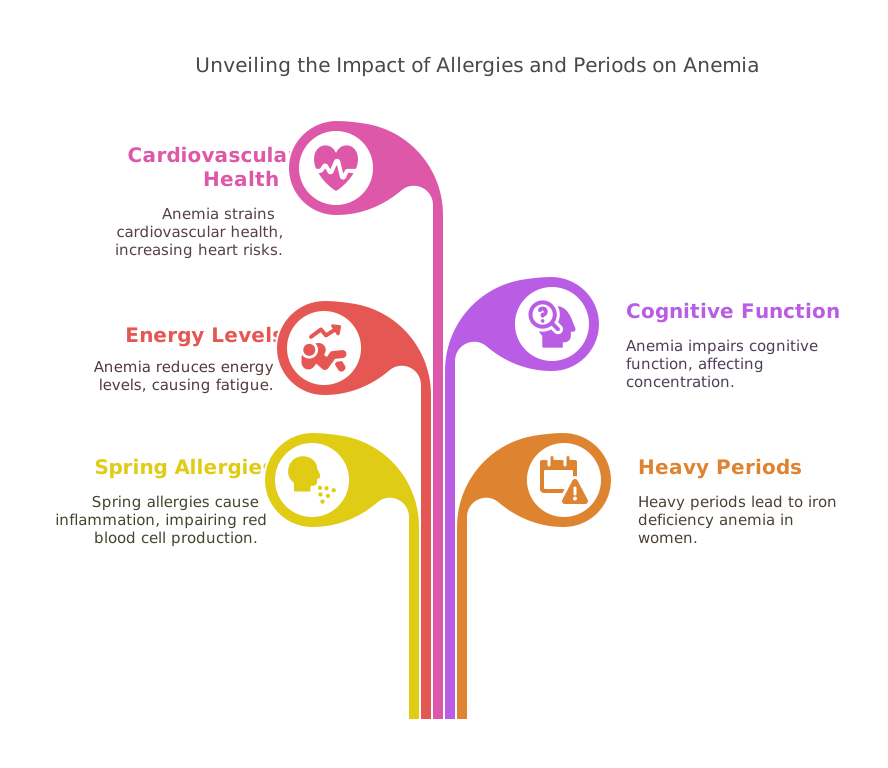
Seasonal factors like spring allergies and physiological events such as heavy periods can worsen anemia, especially iron deficiency anemia. Understanding these connections is crucial for early detection and effective management, helping individuals maintain energy and overall health.
Types of Anemia
Anemia encompasses various conditions, each with distinct causes and treatment approaches. Identifying the specific type is essential for targeted care.
Common Types of Anemia
Anemia types include:
- Iron Deficiency Anemia: Caused by insufficient iron, often due to blood loss or poor diet, it’s the most common form globally.
- Vitamin Deficiency Anemias: Result from low levels of vitamin B12 or folate, leading to faulty red blood cell production.
- Aplastic Anemia: A rare condition where bone marrow fails to produce enough blood cells, often linked to autoimmune issues.
- Hemolytic Anemia: Involves premature destruction of red blood cells, caused by genetic disorders like sickle cell anemia or infections.
Focus on Iron Deficiency Anemia
Iron deficiency anemia, the most prevalent type, arises from inadequate iron for hemoglobin synthesis, often triggered by heavy menstrual bleeding, poor dietary intake, or increased needs during pregnancy. Symptoms include fatigue, pale skin, and shortness of breath. A study in the Journal of Women’s Health found that 20% of women with heavy periods develop this condition, emphasizing the need for proactive screening and intervention.
Causes and Risk Factors
Anemia stems from three primary mechanisms: blood loss, inadequate red blood cell production, and excessive red blood cell destruction. Iron deficiency anemia is frequently linked to the first two, with unique triggers like menstruation and allergies playing a role.
General Causes
Key anemia causes include:
- Blood Loss: Heavy menstruation, gastrointestinal bleeding, or trauma.
- Nutritional Deficiencies: Lack of iron, vitamin B12, or folate.
- Chronic Diseases: Kidney disease, cancer, or inflammatory conditions.
- Genetic Disorders: Sickle cell anemia or thalassemia.
Menstrual Cycles and Iron Deficiency Anemia
Heavy menstrual bleeding, or menorrhagia, is a leading cause of iron deficiency anemia, as it depletes iron stores over time. Conditions such as uterine fibroids or endometriosis exacerbate this loss, resulting in persistent fatigue and weakness. Women with diets low in iron or those with absorption issues, such as from allergy medications, face heightened risks, necessitating regular monitoring and dietary adjustments.
Spring Allergies and Anemia
Spring allergies can indirectly aggravate anemia by causing chronic inflammation, which may impair bone marrow function and reduce red blood cell production. Some allergy medications disrupt iron absorption or cause gastrointestinal side effects, further complicating the issue. A Fox 13 Seattle article highlighted a case where a woman’s iron deficiency anemia worsened during allergy season, a connection supported by a study in the American Journal of Hematology noting inflammation’s role in blood cell suppression.
Symptoms of Anemia
Anemia symptoms vary in severity, ranging from mild fatigue to debilitating shortness of breath. Common signs include pale or yellowish skin, dizziness, cold extremities, and rapid heartbeat. Iron deficiency anemia may also cause brittle nails, hair loss, and pica-an unusual craving for non-food items like ice or dirt.
For those with heavy periods, symptoms like prolonged bleeding or easy bruising are common, while allergy sufferers may experience heightened respiratory issues or fatigue due to compounded oxygen shortages. Recognizing these signs early prompts timely diagnosis and treatment.
Diagnosis of Anemia
Diagnosing anemia involves a complete blood count (CBC) to measure hemoglobin, hematocrit, and red blood cell levels. Normal hemoglobin thresholds are above 13.5 g/dL for men and 12.0 g/dL for women-lower values indicate anemia. Additional tests, such as serum ferritin or iron studies for iron deficiency anemia, help identify the cause.
In cases linked to menstruation, gynecological evaluations may uncover fibroids or other issues. For allergy-related anemia, inflammation markers or medication reviews provide clarity, ensuring a precise treatment plan.
How Anemia Affects the Body
Anemia reduces oxygen delivery, straining multiple body systems. It leads to chronic fatigue, cognitive difficulties, and cardiovascular stress, as the heart works harder to compensate, potentially causing irregular heartbeats or, in severe cases, heart failure.
Women with menstrual-related anemia often experience worsened period symptoms, creating a cycle of exhaustion. Allergy sufferers may face intensified respiratory challenges, as low oxygen levels exacerbate breathing difficulties. These effects underscore the importance of addressing anemia promptly to maintain quality of life.
Treatment and Prevention
Anemia treatment hinges on its underlying cause and type, with iron deficiency anemia requiring specific interventions to restore iron levels and address blood loss.
General Treatment Approaches
Treatment varies by anemia type:
- Iron Deficiency Anemia: Oral or intravenous iron supplements, alongside addressing blood loss.
- Vitamin Deficiency Anemias: Vitamin B12 injections or folate supplements.
- Aplastic Anemia: Immunosuppressive therapy or bone marrow transplants.
- Hemolytic Anemia: Managing underlying conditions or avoiding triggers.
Treating Iron Deficiency Anemia
For iron deficiency anemia, oral iron supplements like chelated ferrous bisglycinate in the well-tolerated Ferrofect is the first-line treatment. Severe cases may require intravenous iron or blood transfusions. Menstrual-related anemia may involve hormonal therapies or surgical interventions for conditions like fibroids, while allergy-related cases benefit from inflammation control and adjusted medications. A study in Blood Reviews emphasizes targeting the root cause for sustained recovery.
Best Iron Supplements for Anemia
Choosing the best iron supplement for anemia involves balancing effectiveness and side effect profiles. Ferrous sulfate or ferrous gluconate are widely used but may cause stomach upset. Alternatives like Ferrofect with its main active ingredient chelated ferrous bisglycinate is enteric-coated, and therefore gentler and more suitable for those with sensitive stomachs. Ferrofect is slow-release tablet which provides maximum absorption in the small intestine and provides higher bioavailability. Consulting a health care professional ensures the optimal choice for individual needs.
Prevention Strategies
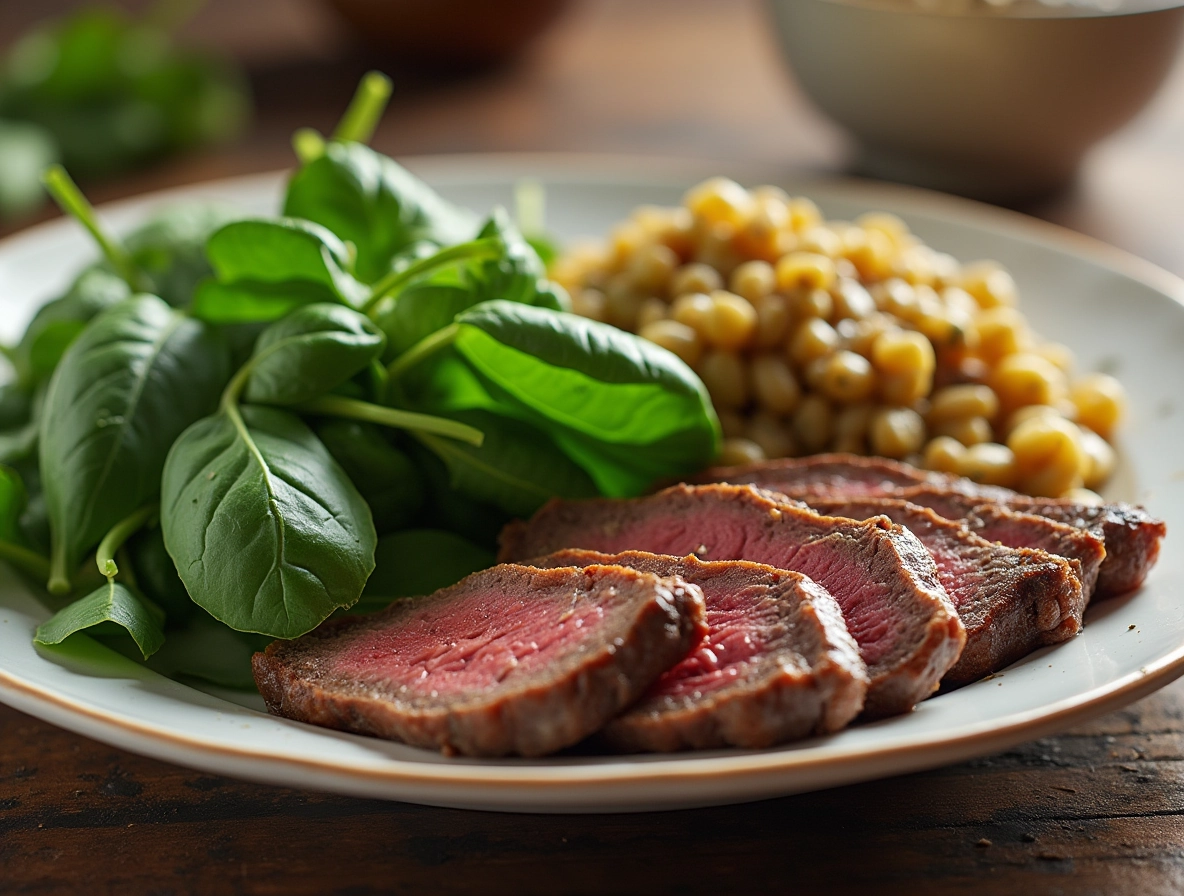
Preventing anemia, particularly iron deficiency anemia, involves consuming iron-rich foods such as red meat, spinach, lentils, and fortified cereals, alongside vitamin B12 sources (fish, eggs) and folate-rich greens (broccoli, asparagus). Pairing iron-rich meals with vitamin C sources, like oranges, enhances absorption. Regular screenings are critical for high-risk groups, including women with heavy periods and those with seasonal allergies.
Key Takeaways
- Anemia results from insufficient red blood cells or hemoglobin, limiting oxygen delivery to tissues.
- Iron deficiency anemia, often caused by heavy menstrual bleeding, is the most common form.
- Spring allergies can exacerbate anemia through inflammation and medication side effects.
- Symptoms like fatigue and shortness of breath warrant diagnostic testing.
- Effective treatment and prevention focus on addressing causes and optimizing nutrition.
Frequently Asked Questions
- What are the main causes of anemia?
Anemia arises from blood loss (e.g., heavy periods), inadequate red blood cell production (e.g., low iron), or premature cell destruction (e.g., sickle cell disease). Each cause requires specific treatment to restore health.
- Can spring allergies contribute to anemia?
While not a direct cause, spring allergies can worsen anemia by triggering inflammation that impairs red blood cell production, particularly during high pollen seasons.
- What is the best iron supplement for anemia?
Ferrous sulfate is effective but may cause digestive issues; Ferrofect is a gentler alternative. A doctor can recommend the best option.
- Which foods help prevent anemia?
Iron-rich foods like red meat, spinach, and lentils, paired with vitamin C sources, help prevent iron deficiency anemia. B12 and folate from eggs and greens are also key.
- How does anemia impact pregnancy?
Anemia during pregnancy increases risks of preterm birth and low birth weight, making routine iron and folate supplementation critical for maternal and fetal health.
References
1. Heavy menstrual bleeding and iron deficiency anemia Journal of Women’s Health
2. Impact of chronic inflammation on red blood cell production American Journal of Hematology
3. Effective treatment strategies for anemia Blood Reviews
4. Woman develops iron deficiency anemia during allergy season Fox 13 Seattle