Rochester, New York, 7/03/25 - In a world filled with dietary fads and conflicting advice, adopting healthy eating habits remains the foundation of a thriving lifestyle. Proper nutrition fuels the body, supports mental clarity, and reduces the risk of chronic diseases. This guide draws from expert sources like the UK NHS, Harvard School of Public Health, and Australian Dietary Guidelines to offer practical strategies for what to eat for health. By combining whole foods with targeted supplementation, such as those explored in the Press Release: Synevit is empowering healthy New Year’s resolutions through effective supplements, you can optimize your well-being.
The Importance of Healthy Eating
Healthy eating habits are vital for maintaining energy, supporting immune function, and preventing conditions like heart disease, diabetes, and obesity. Research from the World Health Organization suggests that a balanced diet could lower the risk of chronic diseases by up to 80%. Beyond physical health, nutrient-rich foods enhance cognitive function and emotional well-being by supporting neurotransmitter production.
Incorporating a variety of foods ensures the body receives essential vitamins, minerals, and antioxidants. This approach not only promotes longevity but also improves daily quality of life, making it easier to stay active and focused. By prioritizing nutrition, individuals can lay the groundwork for long-term health.
Key Principles of Healthy Eating
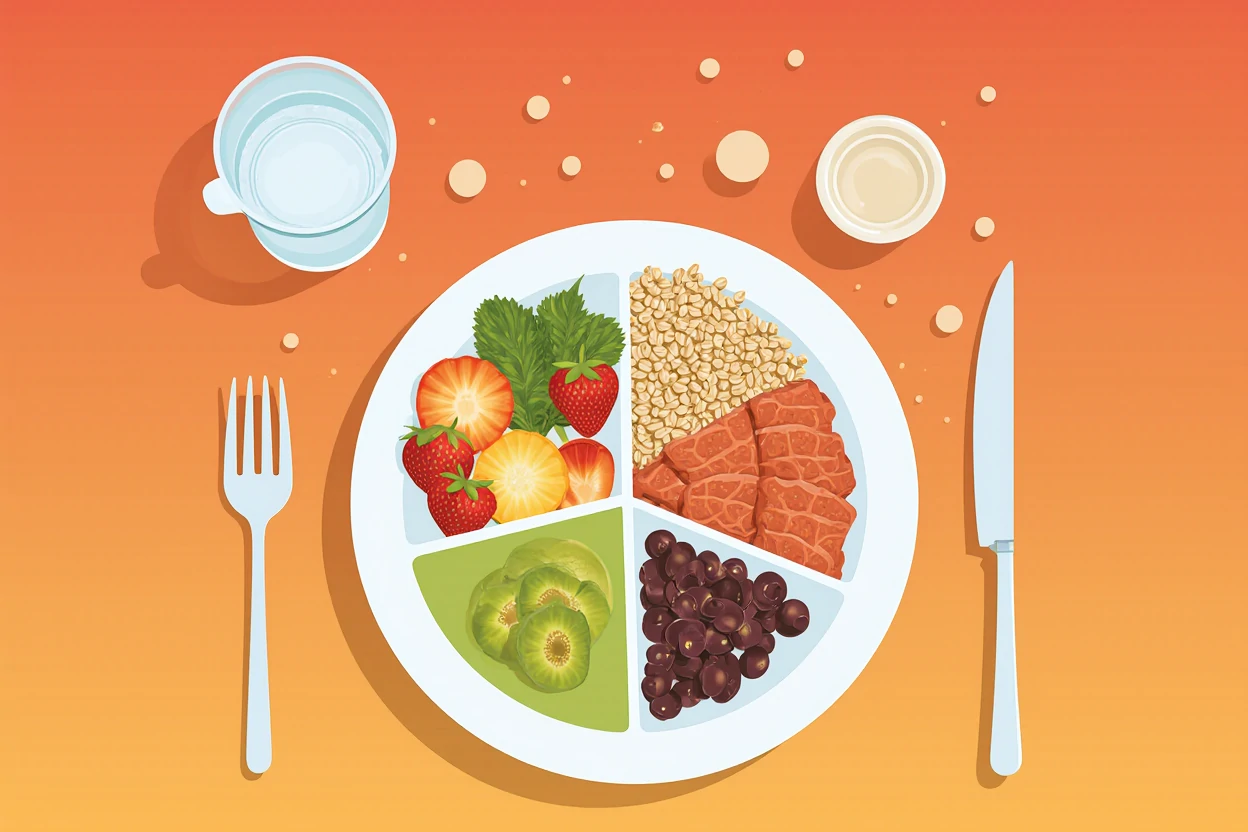
The foundation of healthy eating lies in variety, balance, and moderation. The Harvard School of Public Health’s Healthy Eating Plate recommends filling half your plate with vegetables and fruits, a quarter with whole grains, and a quarter with lean proteins. This model ensures a nutrient-dense diet while maintaining portion control. A comprehensive study, Defining a Healthy Diet: Evidence for The Role of Contemporary Dietary Patterns in Health and Disease, published in Nutrients, provides evidence on how modern dietary patterns influence health and disease, reinforcing these principles (Study on contemporary dietary patterns).
Whole grains like quinoa, brown rice, and oats provide fiber, which supports digestion and stabilizes blood sugar. Lean proteins, such as fish, poultry, beans, and nuts, are essential for muscle repair and immune health. Limiting saturated fats, added sugars, and salt-ideally to less than 6g daily, as per the UK NHS-helps reduce the risk of cardiovascular issues and other health concerns.
Practical Tips for Healthy Eating
Meal planning is a key strategy for maintaining healthy eating habits. By preparing meals in advance, you can ensure nutritional balance, save time, and avoid impulsive food choices. Starting early is particularly impactful; a review titled Development of healthy eating habits early in life. Review of recent evidence and selected guidelines, published in Appetite, highlights how early exposure to nutritious foods shapes lifelong habits, offering evidence-based guidelines for fostering these patterns (Review on early healthy eating habits). These principles remain relevant for adults aiming to sustain healthy eating.
Hydration is equally important-aim for 6-8 glasses of water daily, supplemented by unsweetened teas or low-fat milk. The Australian Dietary Guidelines emphasize limiting discretionary foods, such as sugary snacks and takeaways, to occasional treats. Being mindful of portion sizes, using visual cues like a fist for grains or a palm for proteins, can prevent overeating while ensuring satisfaction.

The Role of Supplements in a Healthy Diet
While a balanced diet supplies most essential nutrients, supplements can help correct specific deficiencies or support individual health needs. Brands like Synevit offer targeted solutions, as outlined in Synevit brings comprehensive synergy to supplementation. Always consult a healthcare professional before adding supplements to your routine.
Key Takeaways
- Prioritize a variety of foods to ensure a broad spectrum of nutrients for overall health.
- Use the Healthy Eating Plate model to balance vegetables, whole grains, and lean proteins.
- Limit saturated fats, added sugars, and salt to reduce chronic disease risk.
- Stay hydrated and plan meals to maintain consistent healthy eating habits.
- Consider supplements for specific needs, but consult a healthcare provider first.
Frequently Asked Questions
- What are the benefits of healthy eating?
Healthy eating supports energy levels, immune function, and mental clarity while reducing the risk of chronic diseases. A balanced diet can also improve mood and overall well-being.
- How can I adopt healthy eating habits?
Start with small changes, like adding more fruits and vegetables or choosing whole grains. Meal planning and keeping healthy staples on hand can make it easier to stick to nutritious choices.
- Are supplements necessary for a healthy diet?
Supplements may help address specific deficiencies or health goals, but a balanced diet should be the primary nutrient source. Always consult a doctor before starting supplements.
- What are some quick healthy meal ideas?
Try a quinoa and vegetable stir-fry, a whole-grain wrap with hummus and greens, or a smoothie with berries, Greek yogurt, and spinach. These meals are nutrient-rich and simple to prepare.