Rochester, New York, 7/18/2025 - Cellular respiration is the cornerstone of energy metabolism, powering every function in the body from muscle movement to brain activity. This intricate metabolic process converts nutrients into energy, maintaining energy balance and supporting overall metabolic health. This guide dives into the science of cellular respiration, its pathways, and practical strategies to optimize metabolism, drawing on recent research to provide actionable insights for better health.
What Is Cellular Respiration?
Cellular respiration is the metabolic process by which cells convert nutrients-primarily carbohydrates, fats, and proteins-into adenosine triphosphate (ATP), the body’s primary energy currency. This process involves both catabolic reactions, which break down molecules to release energy, and anabolic reactions, which use energy to build essential compounds. A study in Frontiers in Physiology highlights that efficient cellular respiration is crucial for maintaining energy balance and supporting vital functions like muscle contraction and nerve signaling (Hargreaves & Spriet, 2019).
Metabolism encompasses all chemical reactions in the body, with cellular respiration being a key component. These reactions are regulated by enzymes, influenced by factors like pH and nutrient availability, ensuring the body maintains homeostasis. Understanding these metabolic pathways is essential for optimizing energy production and overall health.
Energy Sources in Metabolism
The body relies on three primary energy sources-carbohydrates, lipids, and proteins-each processed through distinct metabolic pathways to produce ATP. Carbohydrates, the body’s preferred fuel, are broken down into glucose, which undergoes glycolysis to initiate energy production. Lipids, stored as fat, provide a concentrated energy source through lipolysis and beta-oxidation, while proteins, used sparingly, are metabolized via deamination when other sources are scarce.
Each source contributes uniquely to energy balance. For instance, a study in Nutrients notes that carbohydrates yield quick energy, while fats provide sustained energy during prolonged activity (Kerksick et al., 2020). Products like Ferrofect by Synevit® support energy metabolism by aiding red blood cell production, which enhances oxygen delivery for efficient respiration.

Aerobic Metabolism
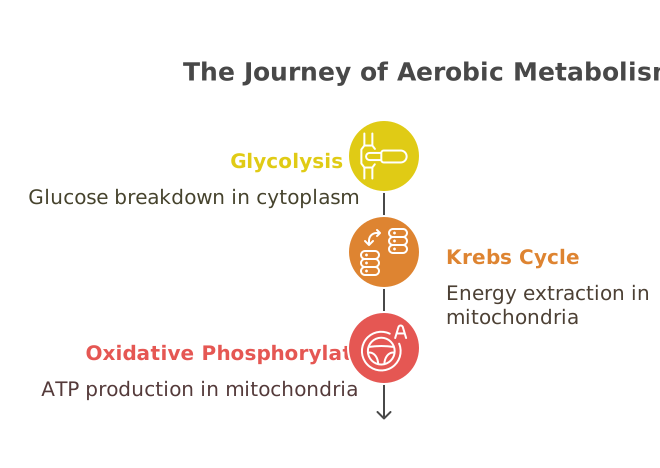
Aerobic metabolism, which relies on oxygen, is the most efficient pathway for ATP production, occurring in the mitochondria through processes like the Krebs cycle and oxidative phosphorylation. During glycolysis, glucose is converted into pyruvic acid, producing a small amount of ATP. In the presence of oxygen, pyruvic acid enters the Krebs cycle, generating additional ATP and electron carriers, which fuel oxidative phosphorylation for maximum energy output.
In contrast, anaerobic metabolism occurs without oxygen, producing less ATP and generating lactic acid, which can lead to muscle fatigue during intense exercise. Aerobic metabolism’s efficiency makes it vital for sustained activities, with oxygen acting as the final electron acceptor in the electron transport chain, as detailed in research on energy production (Hargreaves & Spriet, 2019).
Optimizing Metabolic Health
Improving metabolism involves lifestyle changes that enhance energy balance and support metabolic pathways. Regular exercise, particularly strength training and aerobic activities, boosts metabolic rate by increasing muscle mass, which burns more calories at rest. Consuming protein-rich foods elevates the thermic effect of food, aiding energy expenditure, while adequate hydration supports enzymatic reactions critical for metabolism.
Sleep and stress management are equally important, as chronic stress and poor sleep disrupt hormones like cortisol and insulin, impairing metabolic health. Supplements like Neurocomplex-B by Synevit® can support energy metabolism by providing B vitamins essential for cellular respiration.
Key Takeaways
- Cellular respiration converts nutrients into ATP, powering vital bodily functions through metabolic pathways.
- Carbohydrates, lipids, and proteins serve as primary energy sources, processed via glycolysis, beta-oxidation, and deamination.
- Aerobic metabolism, reliant on oxygen, maximizes ATP production, while anaerobic metabolism supports short bursts of energy.
- Exercise, protein intake, hydration, and stress management optimize metabolic health.
- Supplements like Ferrofect and Neurocomplex-B support energy metabolism.
Frequently Asked Questions
- What is cellular respiration?
Cellular respiration is the metabolic process that converts nutrients into ATP, the body’s energy currency, through pathways like glycolysis and the Krebs cycle. It supports functions like muscle movement and cell repair.
- How does exercise improve metabolism?
Exercise, especially strength training, increases muscle mass, which boosts basal metabolic rate. Aerobic activities enhance the efficiency of aerobic metabolism, producing more ATP.
- Can diet affect metabolic health?
Yes, protein-rich diets increase the thermic effect of food, while balanced nutrient intake supports efficient metabolic pathways. Supplements like Synfoline can aid metabolic processes.
- Why is sleep important for metabolism?
Adequate sleep regulates hormones like insulin and cortisol, which influence energy balance. Poor sleep can disrupt metabolic health, leading to weight gain and reduced energy efficiency.
References
1. Exercise metabolism and the molecular regulation of skeletal muscle adaptation - Frontiers in Physiology
2. Nutrition and energy metabolism in exercise - Nutrients