Rochester, New York, 10/28/25 - The integration of natural supplements with prescription medications has surged, driven by a desire to enhance health outcomes and mitigate side effects. As chronic conditions and nutrient deficiencies rise globally, supplements like omega-3s, CoQ10, and probiotics offer potential benefits when paired with medications. However, drug interactions pose risks that require careful navigation. This comprehensive guide explores the science, benefits, and risks of combining natural supplements with prescription drugs, providing actionable insights for safer, more effective health strategies.
Introduction to Drug-Supplement Integration
The convergence of natural supplements and prescription medications reflects a growing trend toward integrative medicine. Patients often seek supplements to address nutritional gaps, reduce side effects, or enhance drug efficacy. A study published in the Journal of the American College of Nutrition highlights "Foundational Nutrition," combining whole foods and micronutrients to optimize health, emphasizing gut health’s role in nutrient absorption. This approach underscores the potential for supplements to complement medications, but it necessitates caution to ensure safety.
Historically, integrative medicine has evolved from traditional herbal practices to evidence-based applications. Supplements like omega-3 fatty acids and CoQ10 are now studied for supporting treatments for depression and heart disease. A review in Postgraduate Medicine notes that the unregulated supplement industry demands informed decision-making to balance benefits and risks effectively, as patients increasingly combine these therapies.
Global nutritional challenges, such as micronutrient deficiencies and caloric imbalances, fuel the rise in supplement use. By addressing these gaps, supplements could enhance prescription medication effectiveness, particularly for chronic conditions. Patients are encouraged to explore options like combining nutrients strategically to support overall wellness.
The growing interest in supplements also reflects a shift toward proactive health management. For instance, research in the Journal of Strength and Conditioning Research suggests that creatine supplementation shows no significant renal harm in healthy individuals, indicating potential safe use alongside medications for athletes. This evolving evidence base highlights the need for personalized approaches, as individual responses to supplements vary based on genetics and health conditions.
How Natural Supplements Influence Drug Interactions
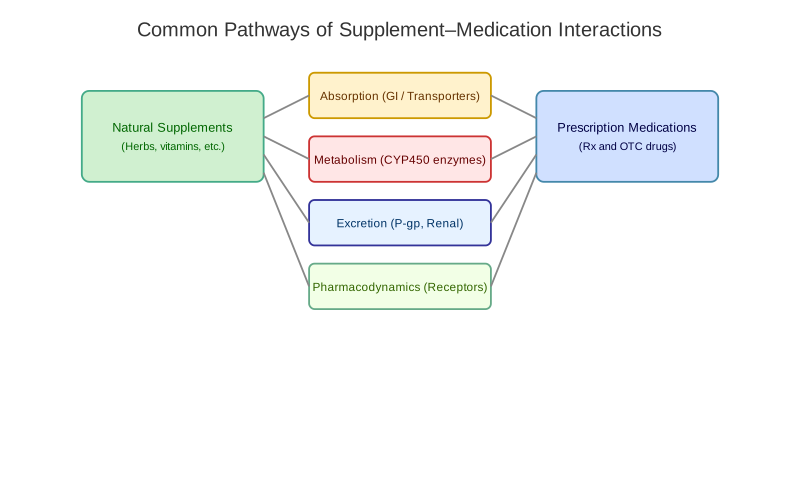
Natural supplements can alter how prescription medications are absorbed, metabolized, or excreted, impacting their effectiveness. Pharmacokinetic interactions affect drug metabolism, often through liver enzymes like CYP450, while pharmacodynamic interactions influence a drug’s action in the body. For example, St. John’s Wort induces CYP3A4, potentially reducing the efficacy of medications like antidepressants or contraceptives, leading to unintended consequences.
Common pathways affected include serotonin transmission, blood clotting, and nutrient absorption. A Postgraduate Medicine review notes that omega-3s may enhance serotonin pathways, boosting antidepressant effects, but could increase bleeding risk with anticoagulants. Understanding these mechanisms is critical for safe supplementation, especially for those on multiple medications, to avoid adverse drug interactions.
Supplements can also influence gut health, which plays a pivotal role in drug absorption. The gut microbiome, as highlighted in the "Foundational Nutrition" study, affects how nutrients and drugs are processed. Probiotics, for instance, may improve gut flora, enhancing the bioavailability of certain medications, but improper timing could reduce drug efficacy. This interplay underscores the complexity of drug-supplement interactions.
Natural Supplements That Support Prescription Medications
Certain natural supplements show promise in enhancing prescription medication effects. Omega-3 fatty acids may improve SSRI efficacy for depression by supporting serotonin pathways, as evidenced by clinical trials. Similarly, CoQ10 supplementation could alleviate muscle pain and fatigue caused by statins, which deplete CoQ10 levels, supporting cardiovascular health and improving patient comfort.
Probiotics are valuable for those on antibiotics, as they restore gut flora and reduce diarrhea. Products like Synfoline by Synevit® combine folate and other nutrients to address deficiencies caused by medications like metformin. These supplements, when used correctly, could fill critical nutritional gaps and enhance treatment outcomes.
Vitamin D, another widely studied supplement, supports bone health, immune function, and mood regulation. It may counteract the depletion caused by steroids or anticonvulsants, but excessive doses could lead to calcium buildup. Careful monitoring ensures that supplements like vitamin D provide benefits without compromising prescription medication safety.
Dangerous or Disruptive Drug Interactions to Avoid
Not all supplements are safe to combine with prescription medications. St. John’s Wort can diminish the potency of antidepressants, birth control, and blood thinners by accelerating their metabolism. Ginkgo biloba, often used for cognitive support, may increase bleeding risk with anticoagulants like warfarin, posing serious health risks.
Real-world cases highlight these dangers. A patient on warfarin who began taking ginkgo experienced excessive bruising, illustrating the need for caution. Similarly, ginseng could affect blood sugar levels, complicating diabetes management. These examples emphasize the importance of consulting healthcare providers before introducing supplements, especially for those with complex medication regimens.
Other high-risk supplements include kava, which may cause liver damage when combined with sedatives, and high-dose vitamin A, which could be harmful during pregnancy or with certain medications. The Postgraduate Medicine review stresses that patients must be vigilant about potential drug interactions to avoid adverse effects and ensure treatment efficacy.
Guidelines for Safe and Effective Supplement Use
Safe supplementation begins with transparency. Patients should disclose all supplement use to healthcare providers to avoid harmful drug interactions. Starting with one supplement at a time and monitoring for side effects allows for better assessment of its impact. High-quality products, such as those offered by Synevit’s synergy approach, ensure reliability and potency.
Timing is critical. For instance, magnesium should be taken several hours apart from antibiotics to avoid absorption issues. Recognizing signs of interactions, such as unexpected side effects or reduced drug efficacy, is essential. Resources like the Natural Medicines Comprehensive Database provide evidence-based guidance for safe supplement use, empowering patients and clinicians.
Quality control is another key factor. Supplements should carry third-party certifications like USP Verified or NSF Certified to ensure purity and potency. Patients should avoid mega-dosing, as excessive nutrients could cause toxicity or interfere with medications, as noted in studies on vitamin D and B6. A cautious, informed approach maximizes benefits while minimizing risks.
Personalizing Supplement Strategies
Individual differences in genetics and metabolism significantly influence drug-supplement interactions. Variations in liver enzymes, particularly CYP450, can alter how medications and supplements are processed. For example, St. John’s Wort may render medications ineffective in fast metabolizers, while L-methylfolate is more effective for those with MTHFR gene mutations, as noted in the Postgraduate Medicine review.
Special populations, such as the elderly or pregnant individuals, require tailored approaches. Older adults, often on multiple medications, may benefit from vitamin D or CoQ10 but are more susceptible to interactions due to slower metabolism. Pregnant individuals need folate and DHA but must avoid high-dose vitamin A. Personalized supplementation, informed by genetic testing, could optimize outcomes, as emphasized in recent research.
Athletes, another unique group, often use supplements like creatine to enhance performance. The Journal of Strength and Conditioning Research study indicates creatine’s safety for healthy individuals, but those with kidney risks should avoid it. Consulting healthcare providers ensures that supplement strategies align with individual health profiles and medication regimens.
Regulation and Consumer Awareness
The supplement industry’s lax regulation, particularly in the U.S., poses challenges. Unlike prescription medications, supplements are not rigorously tested, leading to inconsistencies in quality and safety. Products may contain undisclosed ingredients or contaminants, increasing the risk of adverse drug interactions, as highlighted in the Postgraduate Medicine review.
Public education is critical to address these gaps. Clinicians should routinely ask about supplement use, and patients must report all substances they take. Campaigns promoting awareness, coupled with stronger regulatory oversight, could enhance safety. Resources like the National Center for Complementary and Integrative Health provide reliable information to guide consumers.
Innovative brands like Synevit are bridging this gap by focusing on evidence-based formulations. Their Syncadol product, for example, combines CoQ10 and other nutrients to support heart health alongside statins, emphasizing quality and transparency. Empowering patients through education and high-quality products is essential for safe integration.
Key Takeaways
- Natural supplements could enhance prescription medication outcomes by addressing nutritional gaps and reducing side effects.
- Supplements like omega-3s, CoQ10, and probiotics may support antidepressants, statins, and antibiotics, respectively, but require careful integration.
- Dangerous drug interactions, such as those with St. John’s Wort or ginkgo, could diminish drug efficacy or cause adverse effects.
- Transparency with healthcare providers, high-quality supplements, and proper timing are critical for safe use.
- Personalized supplementation, guided by genetic and metabolic factors, represents the future of integrative medicine.
Frequently Asked Questions
- Could natural supplements replace prescription medications?
Supplements should not replace prescription medications but could complement them under medical supervision. They address nutritional gaps or side effects but lack the rigorous testing of pharmaceuticals.
- Which supplements are safest with prescription medications?
Supplements like omega-3s, CoQ10, and probiotics are generally safe when timed correctly and dosed appropriately. Always consult a healthcare provider to ensure compatibility.
- How can patients recognize drug-supplement interactions?
Unexpected side effects, reduced medication efficacy, or new symptoms could indicate an interaction. Monitoring and reporting these to a doctor is essential.
- Are there supplements specifically for heart health?
Products like Syncadol by Synevit® combine nutrients like CoQ10 to support cardiovascular health alongside statins.
- Why is personalization important in supplement use?
Genetic and metabolic differences affect how supplements and medications interact. Tailored approaches, guided by medical advice, ensure safety and efficacy for individual health needs.
References
1. Foundational Nutrition: A Synergistic Approach to Optimal Human Health Journal of the American College of Nutrition
2. Dietary Supplements and Their Potential in Clinical Practice Postgraduate Medicine
3. Creatine Supplementation and Renal Safety in Athletes Journal of Strength and Conditioning Research