Rochester, New York, 8/08/25 - The world of pharmaceuticals has evolved significantly, with innovations like enteric coated tablets and slow release iron tablets transforming how medications are delivered in the body. These advanced formulations enhance bioavailability, ensuring drugs are absorbed efficiently while minimizing side effects. This comprehensive guide explores the science behind enteric coating, delayed-release, and modified-release systems, focusing on their role in improving drug efficacy, particularly for iron supplementation.
Enteric Coating: Mechanism and Purpose
Enteric coated tablets are designed to withstand the stomach’s acidic environment, releasing their active ingredients in the small intestine. This is achieved through pH-sensitive polymers like hydroxypropyl methylcellulose phthalate (HPMC-P) or acrylates, which remain intact at low pH levels (1.5-3.5) but dissolve in the neutral or alkaline conditions of the intestines (pH 6-7.5). A study published in the Journal of Pharmaceutical Sciences highlights that these coatings enhance drug stability, ensuring medications like iron supplements remain effective during transit through the GI tract.
The primary purposes of enteric coating include protecting acid-sensitive drugs, preventing stomach irritation, and targeting drug release to optimize absorption. For instance, iron supplements, which can cause nausea or gastric upset, benefit significantly from this technology. By delaying release until the small intestine, enteric coatings improve patient comfort and bioavailability, ensuring more of the active ingredient reaches the bloodstream.
Delayed-Release vs. Enteric-Coated: What's the Difference?
Delayed-release formulations, a broader category, postpone drug release until a specific time or location in the GI tract. Enteric coating is a subset of delayed-release, specifically designed to bypass the stomach and dissolve in the intestines. While all enteric-coated tablets are delayed-release, not all delayed-release formulations use enteric coatings-some rely on time-based or enzyme-triggered mechanisms.
The distinction is critical for drugs like iron supplements, where precise delivery enhances absorption. Enteric coatings ensure that compounds like Ferrofect avoid degradation in the stomach, allowing optimal absorption in the small intestine’s larger surface area. This targeted delivery reduces side effects and maximizes therapeutic outcomes, as noted in a study in the American Journal of Clinical Nutrition, which emphasizes the small intestine’s role in efficient nutrient uptake.
What is Modified Release?
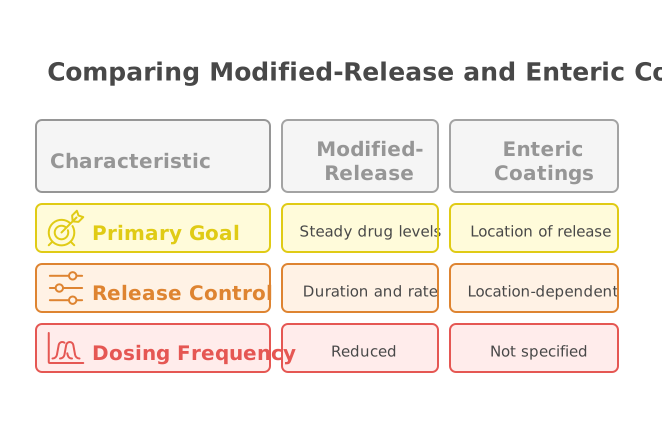
Modified-release (MR) formulations, including extended-release (ER) and sustained-release (SR), control the duration and rate of drug release. Unlike enteric coatings, which focus on location, MR systems aim to maintain steady drug levels in the bloodstream, reducing dosing frequency. Technologies like matrix systems, swelling hydrogels, or osmotic pumps achieve this by gradually releasing the drug over hours.
For iron supplementation, modified-release systems are particularly valuable. Slow release iron tablets, for example, deliver iron gradually to prevent the sudden spikes in blood levels that can cause toxicity or gastrointestinal distress. These formulations enhance patient compliance by minimizing side effects and allowing once-daily dosing, a key factor in effective long-term therapy.
Slow Release Iron Tablets and Bioavailability
Slow release iron tablets combine the benefits of enteric coating and modified-release technologies to optimize iron absorption. Iron is notoriously difficult to absorb due to its interaction with stomach acid and dietary inhibitors like phytates or calcium. By using enteric coatings, these tablets bypass the stomach, releasing iron in the small intestine where absorption is most efficient.
A study in the American Journal of Clinical Nutrition found that enteric-coated iron formulations significantly improve bioavailability compared to standard tablets, reducing common side effects like constipation or nausea. Products like Ferrofect leverage these technologies to deliver bioavailable iron, supporting conditions like anemia with fewer adverse effects.
The Risks of Crushing or Splitting Coated Tablets
Crushing or splitting enteric-coated or modified-release tablets can compromise their efficacy and safety. Enteric coatings protect drugs like iron from stomach acid; breaking them exposes the drug prematurely, reducing absorption and potentially causing gastric irritation. Similarly, crushing slow release iron tablets can lead to dose dumping, where the entire dose is released at once, risking toxicity.
Patients with swallowing difficulties should consult pharmacists for alternatives, such as liquid formulations or dispersible granules. This precaution ensures the therapeutic benefits of advanced delivery systems are preserved, maintaining both safety and effectiveness.
Key Takeaways
- Enteric coated tablets protect drugs from stomach acid, releasing them in the small intestine for optimal absorption.
- Slow release iron tablets enhance bioavailability while reducing side effects like nausea or constipation.
- Delayed-release includes enteric coating but can also involve time- or enzyme-based mechanisms.
- Modified-release formulations maintain steady drug levels, improving compliance and efficacy.
- Never crush or split enteric-coated or modified-release tablets to avoid reduced efficacy or toxicity.
Frequently Asked Questions
- What is the benefit of enteric coated tablets?
Enteric coated tablets protect drugs from stomach acid, ensuring release in the small intestine where absorption is more efficient. This reduces side effects like stomach irritation and enhances bioavailability, especially for drugs like iron.
- Can slow release iron tablets be crushed?
No, crushing slow release iron tablets can cause dose dumping, leading to rapid absorption and potential toxicity. Patients should consult a pharmacist for alternative formulations if swallowing is difficult.
- How do modified-release tablets differ from enteric-coated ones?
Modified-release tablets control the rate and duration of drug release, often for steady blood levels, while enteric-coated tablets focus on delaying release until the small intestine. Some formulations combine both for enhanced efficacy.
- Why is bioavailability important for iron supplements?
Bioavailability determines how much iron is absorbed and utilized by the body. Enteric-coated and slow-release formulations improve absorption, reducing side effects and ensuring effective treatment for conditions like anemia.
References
1. Enteric Coating Stability and Drug Release Journal of Pharmaceutical Sciences
2. Iron Absorption from Enteric-Coated Formulations American Journal of Clinical Nutrition