Rochester, New York, 7/07/25 - Neurological disorders, such as Alzheimer’s, Parkinson’s, and stroke, pose a significant burden on global health. According to the Global Burden of Disease Study, neurological disorders represent 3% of the worldwide burden of disease, with conditions like dementia, epilepsy, and migraine being major contributors [1]. In the United States, the burden of neurological disorders has been increasing, with stroke, Alzheimer's disease, and migraine being the most burdensome in terms of disability-adjusted life years [2]. Given this growing challenge, it is crucial to adopt proactive strategies to protect brain health and reduce the risk of these conditions. This blog post explores ten evidence-based strategies to safeguard your brain, reduce the risk of neuralgic pain, and prevent neuro conditions. Whether you’re looking to protect your brain or support a loved one, these tips-backed by research-can make a significant difference. Products like Synevit's vitamin B complex offer targeted support for brain health.
Effective Ways to Prevent Neurological Disorders
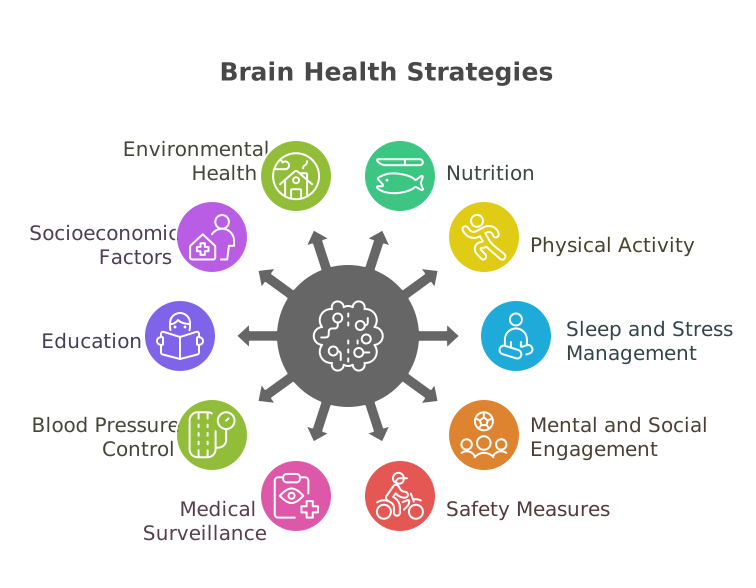
Adopting a proactive approach to brain health can significantly reduce the risk of neurological disorders. Below are ten practical, research-backed strategies to protect your brain and maintain cognitive vitality.
1. Nutrition for Brain Health: A diet rich in antioxidants, such as those found in berries and leafy greens, protects neurons from oxidative stress. Omega-3 fatty acids, abundant in fish and nuts, support brain cell structure, while B vitamins, particularly B6 and B12, enhance neurotransmitter function. Research has shown that adequate B vitamin intake correlates with reduced cognitive decline. Incorporating Synevit's vitamin B complex can help ensure optimal nutrient levels for brain health.
2. Physical Activity: Regular exercise, such as 150 minutes of moderate activity like walking or yoga per week, boosts cerebral blood flow and promotes neurogenesis. Exercise also reduces inflammation, which can alleviate neuralgic pain associated with conditions like neuropathy. A study showed that consistent physical activity lowers stroke risk by up to 20%.
3. Sleep and Stress Management: Quality sleep (7-9 hours nightly) allows the brain to clear metabolic waste, supporting memory consolidation. Chronic stress, however, can damage neurons, increasing neuro condition risks. Practices like meditation or yoga, combined with supplements like Synevit’s Neurocomplex-B, can naturally boost mood and resilience during stressful times.
4. Mental and Social Engagement: Engaging in puzzles, learning new skills, or maintaining social connections builds cognitive reserve, which delays the onset of conditions like dementia. For example, studies indicate that bilingual individuals may delay Alzheimer’s symptoms by up to five years due to enhanced cognitive flexibility.
5. Safety Measures: Preventing head injuries with helmets during activities like cycling and limiting alcohol or tobacco use protects against neurological disorders. Traumatic brain injuries increase the risk of conditions like Parkinson’s, making safety a priority.
6. Medical Surveillance: Routine checkups with a neurologist can detect early signs of neuro conditions, enabling timely interventions. Regular screenings for cholesterol and glucose levels also support brain health by addressing risk factors early.
7. Blood Pressure Control: Maintaining blood pressure below 120/80 mmHg reduces stroke risk, a leading cause of neurological disability. Lifestyle changes like reducing salt intake and regular exercise are effective strategies.
8. Education: Lifelong learning, such as reading or taking courses, strengthens brain resilience. Research shows that higher education levels correlate with a lower incidence of dementia.
9. Socioeconomic Factors: Access to healthcare and education reduces neurological disorder rates. Supporting community health initiatives, such as free screenings, can make a significant impact.
10. Environmental Health: Exposure to toxins like air pollution or heavy metals has been linked to neurological disorders. Reducing exposure through air purifiers or avoiding polluted areas protects brain health.

Adjusting to Life with a Neuro Condition
Living with a neurological disorder can be challenging, often triggering emotions like sorrow or anger. However, coping strategies can foster resilience. Setting small, achievable goals-like daily walks or journaling-rebuilds confidence. Support groups, both in-person and online, offer shared experiences and practical advice, helping individuals feel less isolated. Counseling, particularly cognitive behavioral therapy, aids in managing emotions and fostering post-traumatic growth, where many find renewed purpose or stronger relationships.
Peer support is especially valuable. Connecting with others who have similar conditions, such as through forums or structured programs, provides emotional solidarity and practical tips. For example, survivors of subarachnoid hemorrhage, where up to one-third may develop PTSD, benefit from professional support to address trauma. Over time, these strategies help individuals adapt and thrive despite their diagnosis.
Can We Prevent Neurological Disorders?
Research indicates that up to 80% of strokes and 40% of dementias are preventable through lifestyle changes. High-income regions, like Ontario, have seen a 32% decline in stroke incidence and a 7% reduction in dementia rates over recent decades, demonstrating the efficacy of targeted interventions. Controlling vascular risk factors-such as hypertension, poor diet, and inactivity-alongside addressing social determinants like education and pollution, is key. A population-level approach, integrating individual and community efforts, promotes brain health beyond merely preventing disease.
This comprehensive strategy emphasizes actionable units, such as families or districts, tailoring interventions to local needs. For instance, community exercise programs or nutritional workshops can reduce risk factors. By fostering a culture of brain health, society can build resilience against neurological disorders, benefiting both individuals and healthcare systems.
The Role of Brain Vitamins
Brain vitamins, particularly B-complex vitamins like B6, B9 (folate), and B12, play a critical role in neuron function and cognitive health. These vitamins support neurotransmitter production, reducing the risk of cognitive decline. Research highlights their protective effects against Alzheimer’s. Supplements like Synevit’s Neurocomplex-B provide comprehensive energy support, aiding both brain function and overall vitality.
Incorporating brain vitamins into a daily routine can be as simple as taking a supplement or eating fortified foods like cereals. For those with dietary restrictions, such as vegans, B12 supplementation is crucial to prevent deficiencies that could exacerbate neurological risks. Consulting a healthcare provider ensures personalized recommendations.
Key Takeaways
- Eat brain-boosting foods like berries, fish, and nuts to protect neurons.
- Exercise regularly and prioritize 7-9 hours of sleep to support brain function.
- Stay mentally and socially active to build cognitive reserve.
- Monitor health with routine checkups and control blood pressure.
- Minimize exposure to environmental toxins to reduce neurological risks.
Frequently Asked Questions
- Can neurological disorders be prevented?
Many disorders, including up to 80% of strokes and 40% of dementias, can be prevented with lifestyle changes like diet, exercise, and stress management.
- How do brain vitamins help?
B vitamins, like those in Synevit’s Neurocomplex-B, support neuron health and reduce cognitive decline risk.
- What’s the best exercise for brain health?
Moderate activities like walking, yoga, or swimming for 150 minutes weekly promote cerebral blood flow and reduce inflammation.
- How does stress impact neurological health?
Chronic stress can damage neurons, increasing disorder risk. Meditation and products like Synevit’s Neurocomplex-B can help manage stress.
References
- B Vitamins and Cognitive Function, Journal of Nutrition
- Environmental Toxins and Neurological Disorders, Environmental Health Perspectives