Rochester, New York, 12/22/25 - Calcium is the most abundant mineral in the human body and a critical contributor to skeletal strength, muscle contraction, nerve signaling, and hormonal balance. Despite its importance, many individuals fail to meet daily calcium requirements through diet alone. Organic calcium powder supplements providing 1200mg of calcium offer a practical option by improving solubility, bioavailability, and tolerability to support long-term bone health, particularly when used within a broader nutritional approach.
As absorption efficiency declines with age and dietary patterns shift, innovative supplementation formats are gaining attention. Organic calcium powder formulations address common limitations of traditional tablets, providing flexible dosing and enhanced bioavailability for populations at risk of deficiency.
Calcium and Human Health
Approximately 99% of the body’s calcium calcium is stored in bones and teeth, forming the structural framework that supports mobility and protection. The remaining remaining concentration of calcium circulates in the blood and it is stored in the tissues, where it regulates muscle contraction, nerve transmission, blood clotting, and hormone secretion.
Vitamin D3 plays a decisive role in calcium homeostasis by enhancing intestinal absorption. Without adequate vitamin D, even high calcium intake fails to translate into meaningful skeletal benefit. Peak bone mass achieved early in life significantly reduces fracture risk later, underscoring the importance of lifelong calcium sufficiency.
Insufficient calcium intake accelerates bone demineralization and increases the risk of osteoporosis, especially in postmenopausal women and the elderly.
Calcium in combination with vitamin D3 is recommended in individuals that have suffered bone or cartilage fracture for faster healing process.
Dietary Calcium Intake and Needs
Calcium requirements vary by age, sex, and physiological condition. Children, teenagers and young adults require higher intake to support skeletal growth, while pregnant and lactating women need additional calcium to support fetal development and milk production.
Despite established guidelines, many people fall short of recommended daily intake due to dietary preferences, lifestyle factors, or limited access to calcium rich foods limitations, making calcium deficiency a persistent health concern.

Sources of Calcium and Dietary Limitations
Calcium is naturally present in dairy products, leafy greens, tofu, fortified plant-based beverages, and fish consumed with bones. However, people with lactose intolerance, vegan diets, and economic barriers often limit adequate intake.
Older adults experience reduced appetite and diminished absorption efficiency, which creates dietary gaps. In such cases, supplementation becomes an effective strategy to maintain calcium balance.
Calcium Absorption Physiology
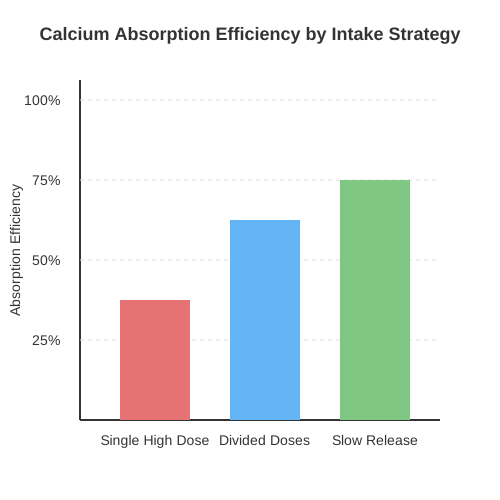
Powder-based formulations allow more efficient absorption and better alignment with the body’s natural uptake limits. This approach is used in products such as Calceed from SYNEVIT®, which provides calcium in an organic, highly soluble powder form intended for easier digestion and gradual and consistent intake.
Powder-based formulations such as Calceed from SYNEVIT®, that could be dissolved in water, milk, shake or smoothie, enables divided intake throughout the day, aligning with physiological absorption limits and improving overall utilization.
Limitations of Conventional Calcium Supplements
Common calcium supplements such as calcium carbonate (or other inorganic types of calcium) could provide high elemental calcium but could frequently cause gastrointestinal discomfort.
What Is Organic Calcium Powder?
Organic calcium powder supplements dissolve easily in liquids, allowing flexible and gradual dosing throughout the day. By doing so, it reduces absorption spikes and it improves stomach comfort.
In comparison to calcium tablets and/or capsules, powder-based calcium formulations provide better absorption and fewer digestive side effects, making them suitable for long-term use.
Organic Calcium Powder 1200mg and the Role of Vitamin D3
Organic calcium forms, such as calcium lactate citrate and calcium citrate, are valued for their higher solubility and easier absorption compared with many conventional inorganic calcium sources. In powder form, these organic salts dissolve readily and are generally better tolerated, making them suitable for consistent, long-term use.
Calcium utilization in the body is strongly influenced by vitamin D3, which regulates how efficiently calcium is absorbed and directed into bone tissue. When calcium intake is paired with adequate vitamin D3-such as through a dedicated supplement like Syncadol from SYNEVIT®-calcium uptake and skeletal deposition tend to be more effective.
Powder-based calcium supplements such as Calceed from SYNEVIT® illustrate this approach by delivering organic calcium in easy-to-dissolve and mix form that supports gradual intake, reliable bioavailability, and improved gastrointestinal comfort compared with many tablets and capsule formulations.
Enhanced Absorption and Bioavailability
Powder-based calcium facilitate gradual intake, allowing the gastrointestinal tract to absorb higher amount of the consumed calcium.
Maintaining higher bioavailability and stable blood serum calcium levels help increase compensatory bone resorption and supports long-term skeletal integrity.
Gastrointestinal Tolerability and Adherence
Organic calcium powders avoid concentrated boluses (high intake) that often cause bloating or constipation. Improved comfort enhances adherence, a key determinant of supplementation success.
The ability to mix powders into beverages increases flexibility and long-term compliance.
Safety Considerations
Adhering to recommended intake levels minimizes risks associated with excessive calcium consumption. Gradual dosing reduces urinary calcium spikes which could be linked to kidney stone formation.
Dispersed intake may also lower cardiovascular concerns that might occur with high-dose tablet or capsule calcium supplementation.
Who Need Calcium Powder Supplements?
Postmenopausal women, older adults, athletes, people with bone and cartilage fractures, and those with digestive sensitivities benefit most from organic calcium powder supplementation.
These formulations support bone maintenance, recovery, and overall mineral balance.
Selecting an Organic Calcium Powder Supplement
High-quality organic calcium supplements with high purity, potency and concentration. Combining calcium with vitamin D3 optimizes absorption and metabolism.
Always consult with health care professionals for guidance especially in individuals with medical conditions or if taking any medications.
Key Takeaways
- Calcium is essential for bone strength and vital physiological functions.
- Vitamin D3 significantly enhances calcium absorption.
- Organic calcium powder 1200mg improves bioavailability and tolerability.
- Divided intake aligns with absorption physiology.
- Older adults and postmenopausal women benefit most.
Frequently Asked Questions
- What advantages do organic calcium powders have over inorganic calcium?
Powders dissolve easily and allow gradual intake, improving absorption and reducing gastrointestinal discomfort.
- Why is vitamin D3 important with calcium supplements?
Vitamin D3 activates intestinal transport proteins, increasing calcium uptake and effectiveness.
- Who should consider organic calcium powder 1200mg?
Postmenopausal women, seniors, athletes, people with bone and cartilage fractures, and those with digestive sensitivities benefit most.
- Does organic calcium powder reduce kidney stone risk?
Gradual intake lowers urine calcium spikes, potentially reducing stone formation risk.
- How should organic calcium powder be taken daily?
It can be mixed into any beverages, milk, shake, or smoothies and consumed throughout the day in divided doses for optimal absorption.
References
1. Organic Calcium Powder Supplement for Enhanced Delivery - Calceed Amazon Listing
2. Solubility and Bioavailability of New Organic Calcium Salts Compared to Traditional Forms - Food and Nutrition Sciences
3. Calcium Fact Sheet for Health Professionals - Office of Dietary Supplements, NIH
4. Vitamin D3 Supplement for Calcium Absorption Support - Syncadol Amazon Listing